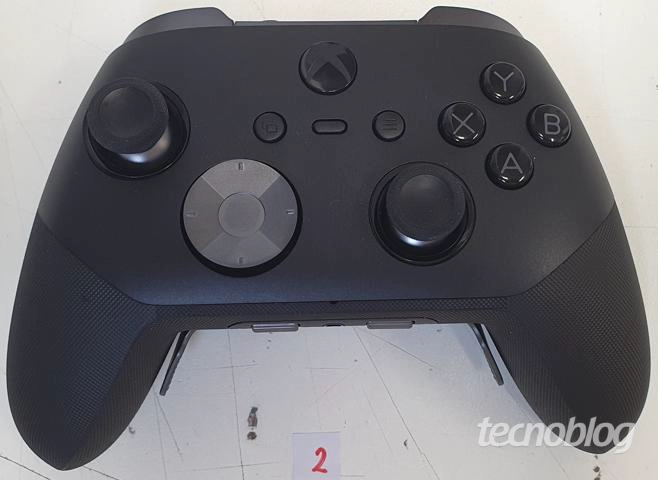
Microsoft is reportedly developing two new Xbox controllers, including an Elite Series 3 and a dedicated Cloud Gaming pad with Wi-Fi 6 connectivity and a 500mAh battery. The devices are not officially announced, so the news is largely product speculation rather than a confirmed launch. Impact on the shares or broader market should be limited unless Microsoft formally unveils the peripherals.
This is less about a single accessory launch and more about Microsoft quietly broadening the economics of Xbox as a platform. A cloud-first controller would lower friction for non-console users, which matters because the highest-margin growth opportunity is not hardware units but increasing hours streamed and attachment to subscriptions, peripherals, and first-party content. If executed well, the bundle effect could improve retention across the ecosystem even if the controller itself is a niche SKU. The second-order read-through is competitive positioning versus Sony and mobile-native gaming. A dedicated cloud peripheral implies Microsoft is willing to optimize for low-latency, always-on use cases that blur the line between console and PC inputs; that could marginally raise switching costs for Game Pass users and weaken the case for rival ecosystems that rely on traditional console upgrade cycles. Supply-chain impact should be modest, but any premium controller refresh supports mix and ASPs, which is incremental margin-positive if volumes hold. The key risk is that this remains a feature story, not a demand story. Hardware enthusiasts may react positively, but cloud gaming adoption still depends on network quality, content breadth, and pricing, so the revenue impact may lag by quarters or never scale beyond a small installed base. The bigger catalyst would be an integrated Game Pass bundle or wider cloud-device rollout; absent that, the market may overestimate near-term monetization and underappreciate execution risk on Wi-Fi-based input latency. Contrarian take: the market may focus too much on the product novelty and not enough on the strategic signal that Microsoft is preparing for a more device-agnostic future. That is bullish for MSFT's long-duration platform value, but in the near term it likely stays a low-impact narrative unless paired with a broader consumer push. The tradeable edge is not chasing headline enthusiasm; it is using any post-announcement pop to re-enter on better levels or express relative value against companies more exposed to one-time accessory demand.
AI-powered research, real-time alerts, and portfolio analytics for institutional investors.
Request DemoOverall Sentiment
neutral
Sentiment Score
0.10
Ticker Sentiment
