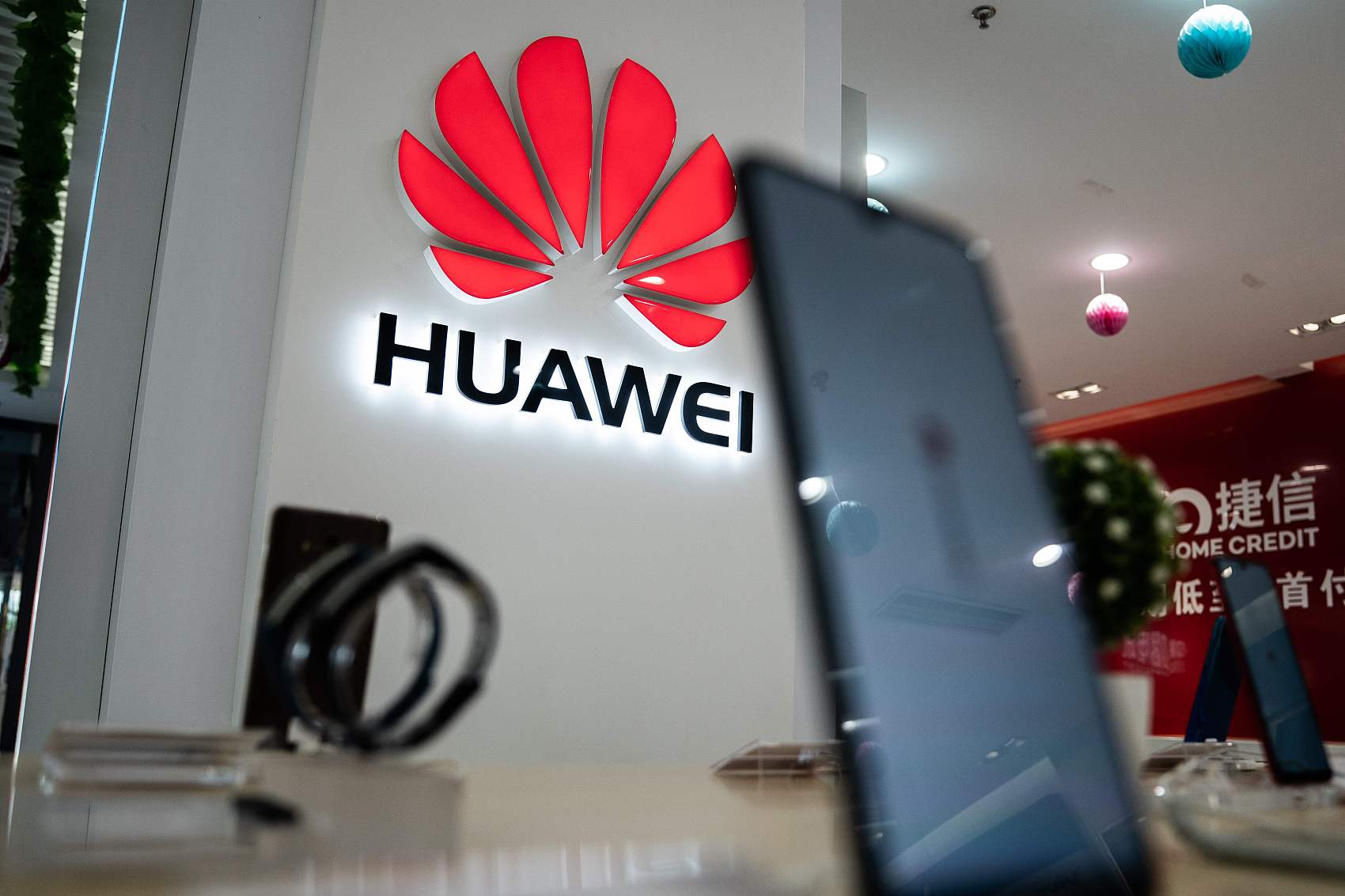
IDC projects China's foldable smartphone shipments of about 10.01 million units in 2025, up 9.2% year-on-year versus a -0.6% decline for the overall smartphone market, though well below 2024’s 30.8% growth. Market share is highly concentrated with Huawei controlling over 70%, while Honor, vivo, OPPO and Samsung each hold under 10%; Q4 2025 shipments were 2.31 million (-8.0% YoY) after Huawei’s late Mate X7 launch limited quarterly upside. Supply-chain reports flag Apple’s first foldable iPhone for autumn 2026, a potential catalyst for competitive disruption despite the current dominant incumbent position.
Market structure: Huawei’s >70% share in China’s foldable segment signals a de facto monopolistic niche where incumbency, supply-chain integration (UTG, hinge tech) and carrier/subsidy relationships drive pricing power. IDC’s 10.01M unit forecast for 2025 (+9.2%) vs overall smartphone -0.6% shows foldables are a premium, countercyclical product but momentum cooled from +30.8% in 2024, implying maturation and inventory digestion (Q4/25 -8% YoY).
Risk assessment: Key tail risks are (1) Apple foldable supply constraints or supplier exclusivity (Samsung Display/BOE) that spike component scarcity and margin pressure across suppliers, (2) China regulatory or subsidy moves protecting Huawei that limit Apple share in China, and (3) macro slumps that compress premium demand. Near-term (days–months) volatility will hinge on supply announcements; medium-term (6–12 months) on Apple’s autumn-2026 readiness; long-term (2027+) on cost reductions and scale that could move foldables to mainstream.
Trade implications: Direct plays favor AAPL (benefit from product halo and services) and selected component suppliers (display/UTG/assembly). Consider asymmetric option structures around Apple’s confirmed supplier announcements (3–6 months prior). Weakness in non-leading OEMs (vivo/OPPO/Honor) suggests selective short exposure to their suppliers or component distributors in China if Huawei share >70% persists.
Contrarian angles: The market underestimates Apple’s ability to expand foldable demand outside China — Apple could take >15% share globally in 12–18 months if design/UX is superior, pressuring Huawei market share and component pricing. Conversely, consensus may be underpricing regulatory/censorship risk in China that preserves Huawei’s dominance; mispricings will appear in listed Chinese suppliers tied to Huawei vs Apple.
AI-powered research, real-time alerts, and portfolio analytics for institutional investors.
Request DemoOverall Sentiment
neutral
Sentiment Score
0.00
Ticker Sentiment
