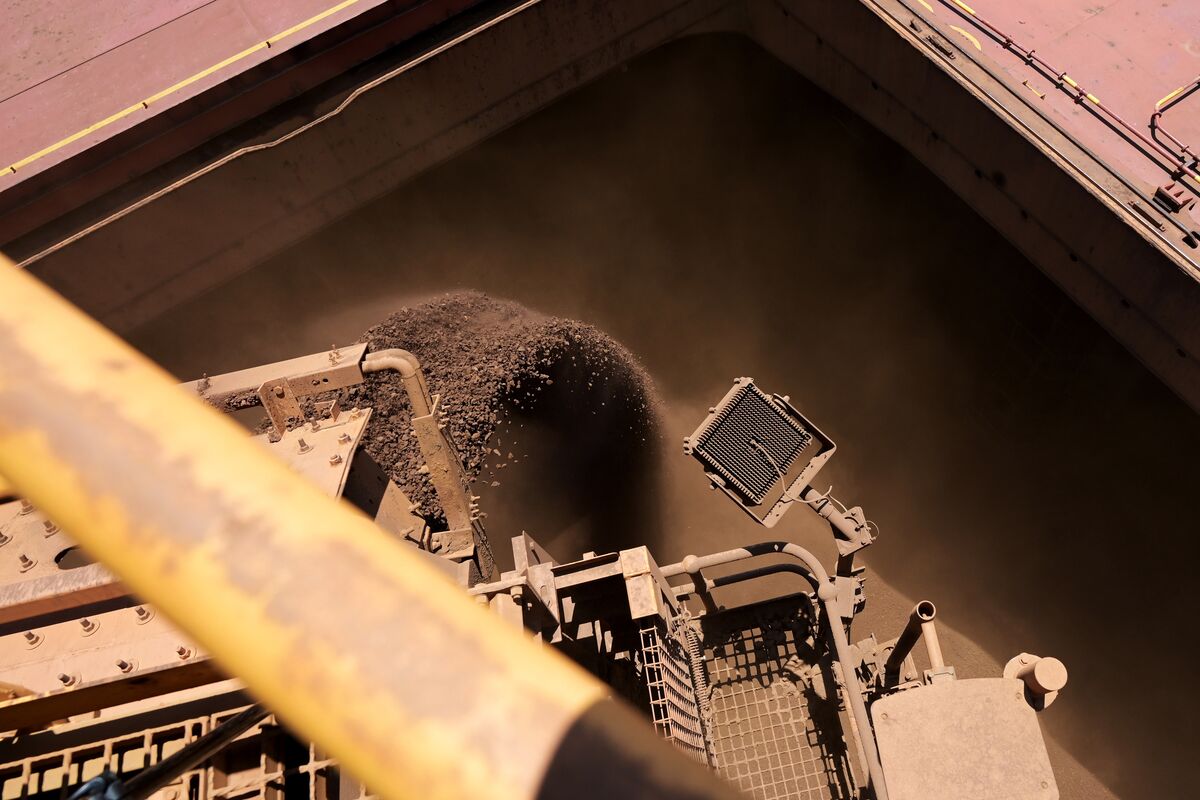
Platts, a unit of S&P Global Commodity Insights, will adjust its IODEX iron ore benchmark from 62% to 61% iron content in January, reflecting a decline in the quality of Australian iron ore exports. The move also includes an update to the 62.5% China iron ore spot lump premium benchmark to 62%, signaling a broader shift in pricing standards due to changing ore quality.
The key iron ore pricing benchmark, IODEX, administered by Platts, a part of S&P Global Commodity Insights, will be recalibrated in January, lowering its standard iron content from 62% to 61%. This adjustment directly reflects a discernible decline in the quality of iron ore exports from Australia, a dominant global supplier. Furthermore, Platts is also revising its 62.5% China iron ore spot lump premium benchmark down to 62%. These modifications indicate a structural adaptation within the iron ore market to accommodate changes in prevailing ore quality, ensuring the benchmarks maintain their representativeness for seaborne cargoes. The moderately negative sentiment (-0.4 score) surrounding this development highlights market concerns about the implications of degrading ore quality, which could impact pricing mechanisms, contract valuations, and the broader steel supply chain.
AI-powered research, real-time alerts, and portfolio analytics for institutional investors.
Request DemoOverall Sentiment
moderately negative
Sentiment Score
-0.40
Ticker Sentiment
