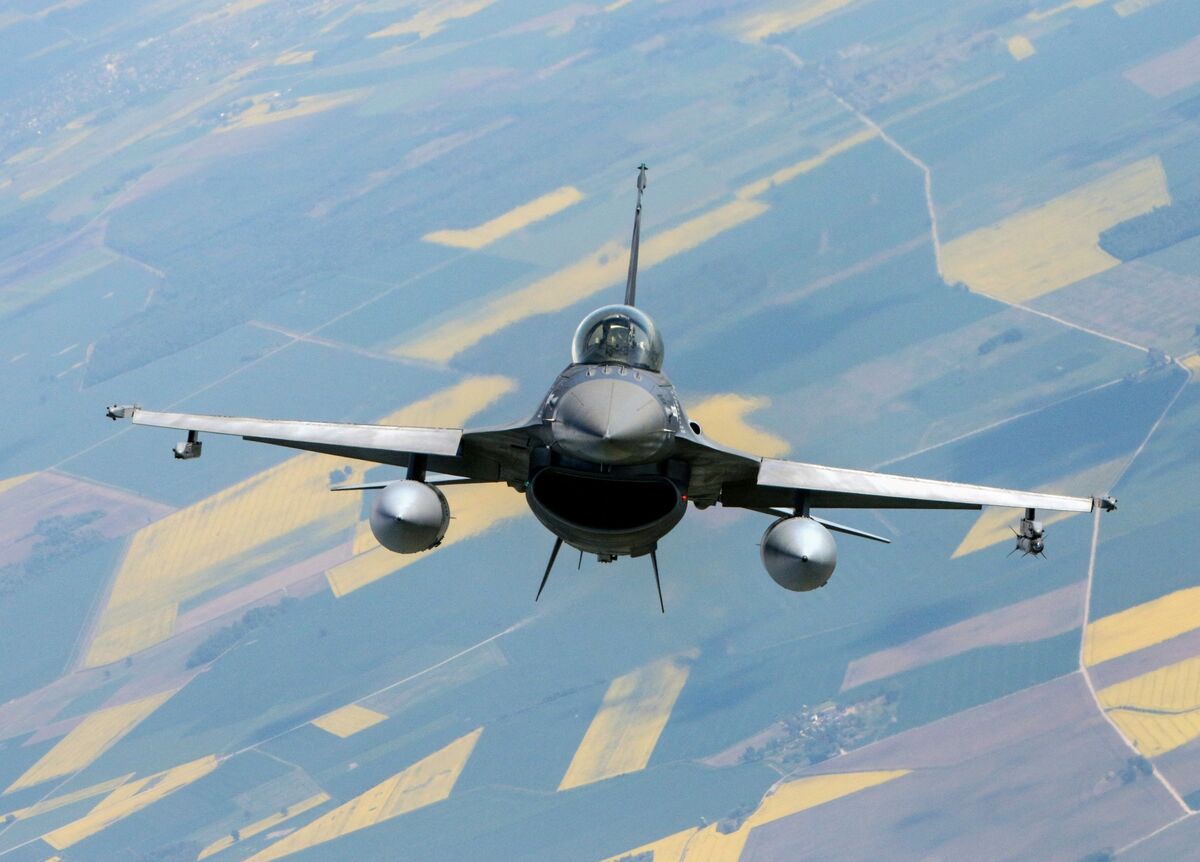
A NATO warplane shot down a drone over Estonia for the first time, highlighting escalating airspace incursions in the Baltic region. Estonia’s defense minister said a Romanian F-16 stationed in Lithuania fired the missile after air defenses identified a possible aerial threat. The event is a security escalation, but it is still likely to have limited direct market impact beyond defense and regional risk sentiment.
This is less about the single drone and more about a regime shift in air-defense burden across Europe’s eastern flank. The first-order beneficiary is the integrated air-defense stack: sensor fusion, low-cost interceptors, EW, and command-and-control vendors get pulled into a procurement cycle that is being forced by operational reality rather than budget ambition. The second-order effect is adverse for any European infrastructure exposure with low physical hardening — utilities, telecom towers, logistics hubs, and border-adjacent industrial assets now face a higher probability of nuisance disruption, insurance repricing, and capex creep over the next 6-18 months. The key market inefficiency is that the cost curve is asymmetric: a cheap drone can force a very expensive response. That pushes procurement toward layered defenses and away from legacy point solutions, which should favor primes with sensor-to-shooter integration and counter-UAS portfolios over pure platform names. It also increases the political probability of accelerated spending approvals in the Baltics, Poland, and Romania, with spillover to NATO munitions and air-defense replenishment orders; the backlog extension for relevant suppliers is likely measured in quarters, not weeks. Near-term risk is escalation, but the more material tail is normalization of repeated incursions that slowly tightens risk premia on eastern Europe assets. If incidents cluster over days to weeks, expect a knee-jerk defense bid and a softer tone in regional cyclicals; if they persist for months, the bigger trade is sustained underinvestment in exposed infrastructure and higher operating costs for cross-border logistics. What could reverse the trend is evidence that defenses are adequate and incursions remain sporadic, but the broader procurement impulse is unlikely to fade unless the security environment de-escalates for several months. The consensus may still be underpricing the second-order benefit to European defense spenders because investors tend to frame this as a headline-risk event rather than a budget-line event. The real upside is in companies that sell scalable, multi-layer defense systems and replenishment inventory, not in names levered to one-off platform deliveries. Conversely, the overdone part may be assuming only geopolitical risk; the investable impact increasingly looks like a multi-year capex cycle with recurring aftermarket demand.
AI-powered research, real-time alerts, and portfolio analytics for institutional investors.
Request DemoOverall Sentiment
mildly negative
Sentiment Score
-0.15
