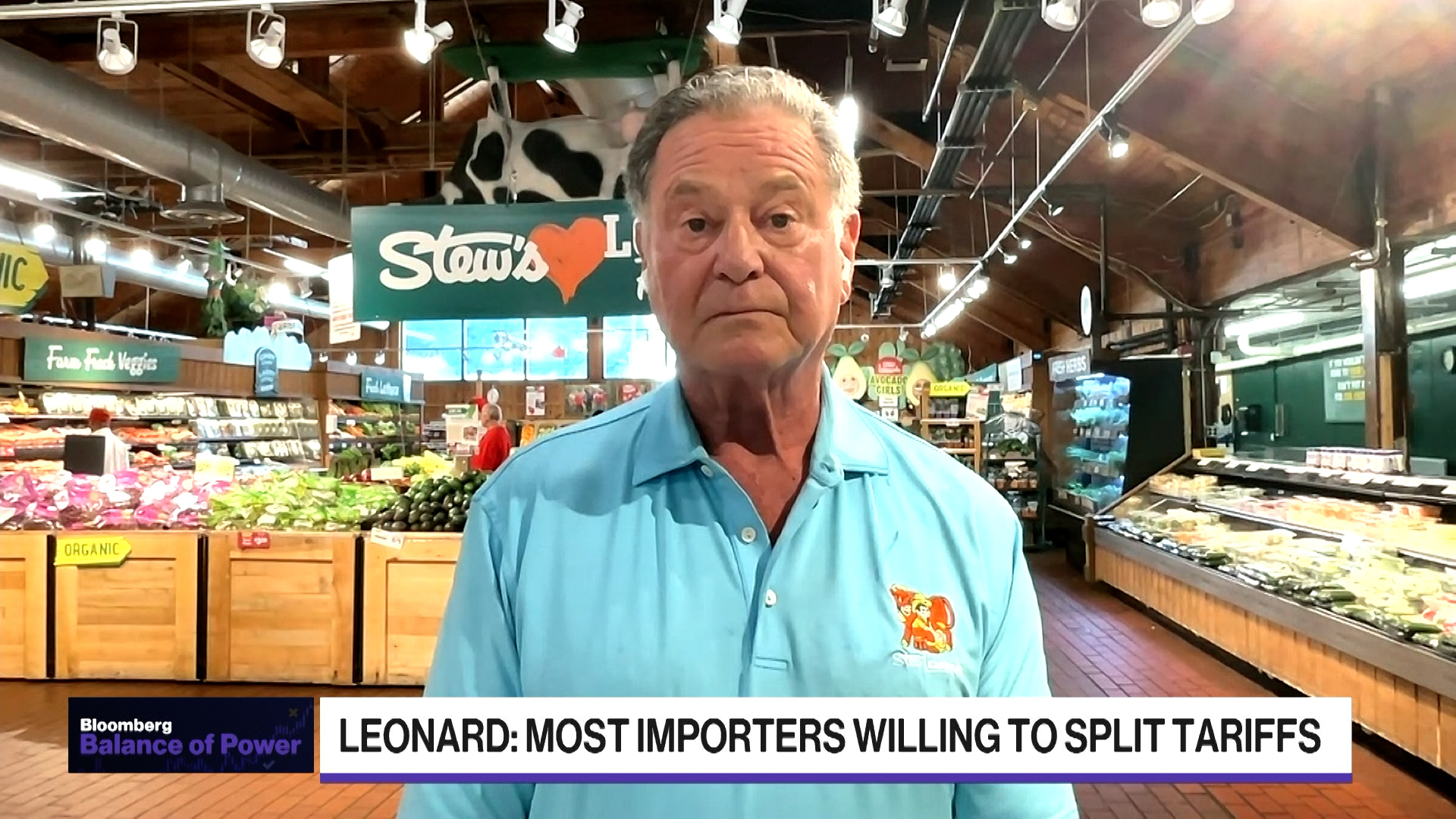
Stew Leonard Jr. indicated that businesses, including his own, anticipate absorbing a portion of the new tariff costs, suggesting potential pressure on profit margins rather than fully passing price increases to consumers.
Comments from Stew Leonard Jr. indicate a strategic decision by consumer-facing businesses to absorb a portion of new tariff-related costs rather than fully passing them on to customers. This approach suggests an anticipation of pressure on corporate profit margins, reflecting a cautious outlook on consumer price sensitivity. The choice to 'eat' costs highlights a critical trade-off for companies in the retail sector: protecting sales volume and market share at the expense of immediate profitability. This development, stemming from trade and tariff policy, directly impacts the financial health of businesses reliant on imported goods, making margin resilience a key factor to watch. The low market impact score suggests this is currently viewed as a company or sector-specific issue rather than a broad market catalyst, but it points to a significant headwind for the retail and consumer goods industries.
AI-powered research, real-time alerts, and portfolio analytics for institutional investors.
Request DemoOverall Sentiment
mildly negative
Sentiment Score
-0.40
