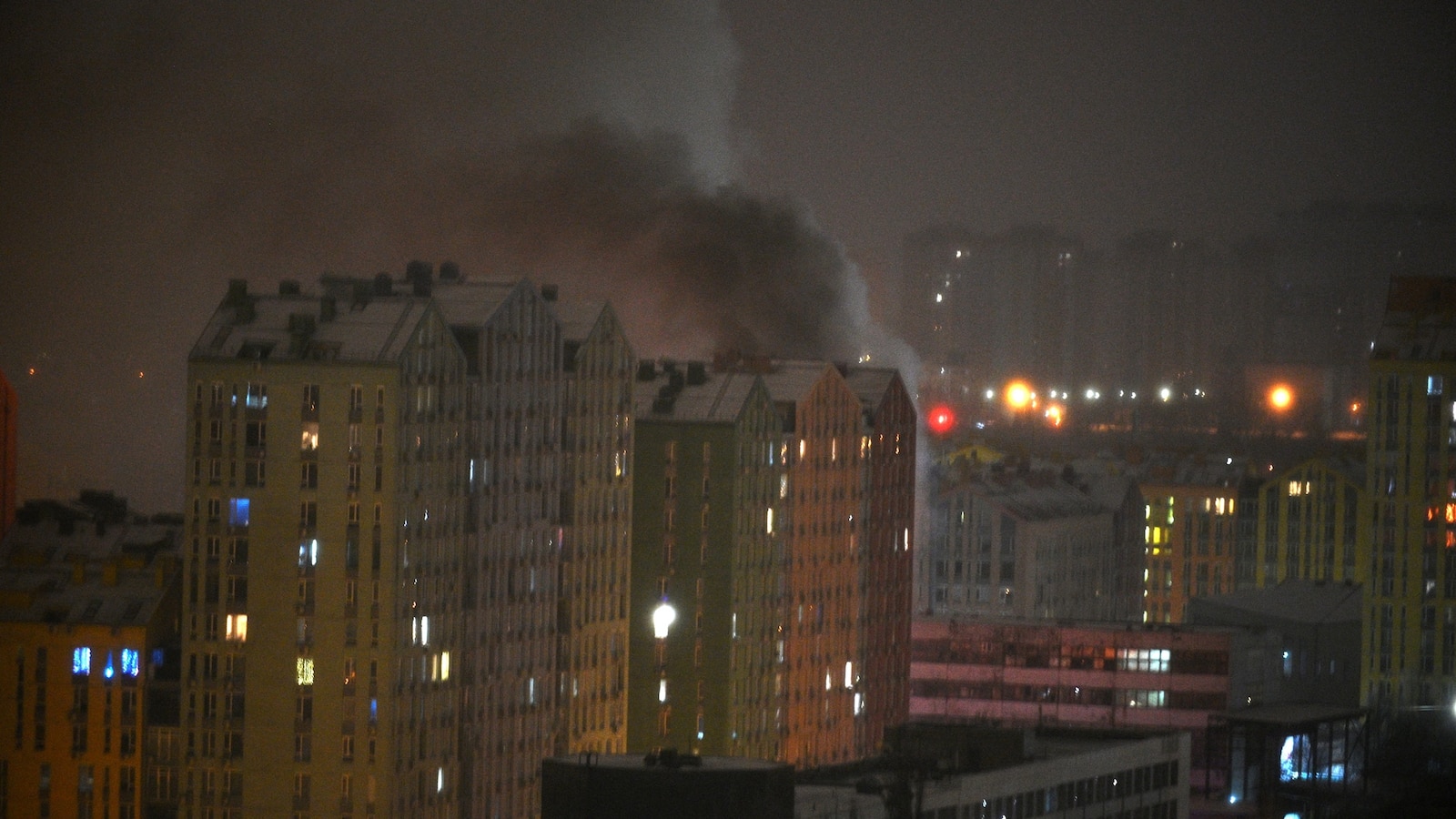
Russian forces launched a massive overnight strike on Ukraine involving 242 drones and 36 missiles (including 22 cruise, 13 ballistic and one medium-range ballistic/IRBM), with Ukraine reporting air defenses neutralized most incoming threats but strikes from 18 missiles and 16 drones hitting 19 locations. Kyiv was heavily affected (40 facilities damaged, including 20 residential buildings), with at least four fatalities and 25 injuries; Russia confirmed use of the Oreshnik intermediate-range system, described as nuclear-capable and hypersonic-capable, targeting sites in western Ukraine including Lviv. The use of an IRBM near EU/NATO borders represents a significant escalation with potential to prompt diplomatic and punitive responses, raise regional security risk premiums, and drive risk-off flows into safe-havens and defense exposure.
Market structure: The use of an intermediate-range ballistic missile and sustained cruise/balloon/drone barrages materially reprices defense and energy risk premia. Expect near-term demand boost for aerospace & defense contractors (Lockheed LMT, Northrop NOC, RTX) and defense ETFs (ITA) as governments accelerate procurement; conversely, Ukrainian assets, regional insurers, and European regional banks (EUFN) face direct credit and asset-quality pressure. Commodity shock risk (oil, gas) increases volatility in next 7–90 days as sanctions and logistical chokepoints raise tail risk for supply — a 5–15% move in Brent within weeks is plausible under escalation.
Risk assessment: Tail scenarios include NATO spillover or major cyber/nuclear incident that would trigger broad risk-off: equities -10%+, sovereign spreads widening for peripheral EU by 50–150bp, and EM Europe FX plunges >10%. Immediate window (days): headline-driven spikes and flight-to-quality; short-term (weeks–months): re-rating of defense/energy capex; long-term (quarters–years): structurally higher European defense budgets and sustained capex for missile defense. Hidden dependency: stronger Western military aid or sanctions can both strengthen US defense contractors and simultaneously tighten energy markets, creating cross-asset correlations.
Trade implications: Favor selective long defense and gold, short crowded European risk and cyclical consumer names exposed to higher energy costs. Use options to buy convexity — 6–12 month calls on LMT/NOC or 3–6 month put spreads on EUFN/Eurostoxx 50 to limit downside. Size allocations modest (1–4% per idea) and rebalance on concrete policy catalysts (NATO summit, sanctions tranche announcements) within 30–90 days.
Contrarian angle: Consensus will chase defense longs; mispricing lies in over-penalizing European defense primes with diversified businesses (Airbus EADSY exposure to civil aerospace) — avoid blanket shorts. Also, if escalation triggers near-term oil spike >15%, energy majors with integrated downstream (XOM, CVX) may outperform explorers; consider pair trades long integrated energy vs short pure-play E&P on a 1–3 month tactical basis.
AI-powered research, real-time alerts, and portfolio analytics for institutional investors.
Request DemoOverall Sentiment
strongly negative
Sentiment Score
-0.70
