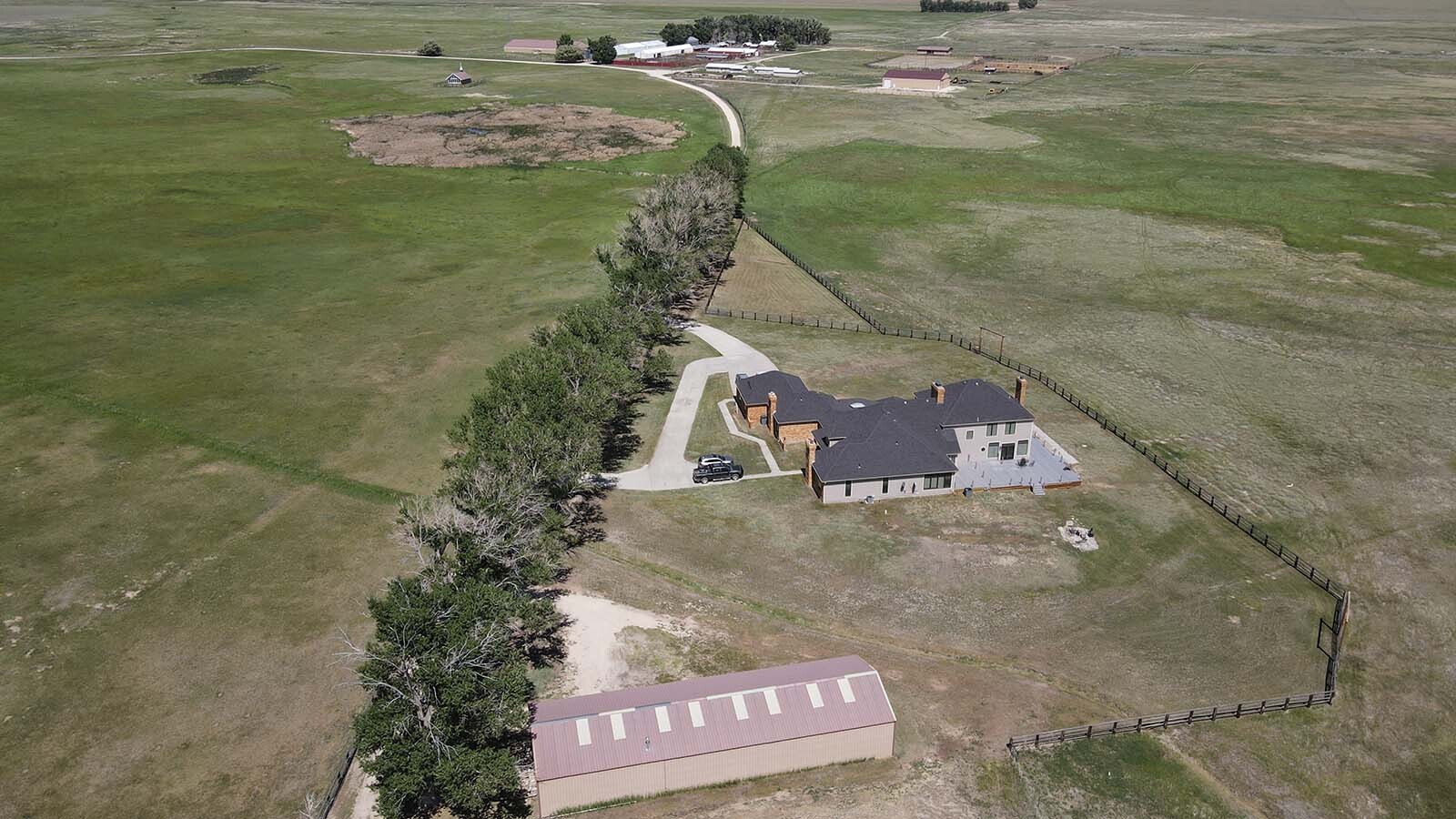
Salt Lake City-based Ensign Group, led by CEO Chris Robinson, has purchased the 916,000-acre Pathfinder Ranches in Wyoming (99,188 deeded acres, remainder leased) — a transaction first listed at $79.5 million though the final price remains undisclosed. Ensign, which already owns roughly 1 million acres across WY/ID/UT including the adjacent Stone Ranch, intends to operate rather than lease the property, leveraging its ~13,000-head herd capacity and 90,444 AUM grazing capacity to expand production as U.S. cattle inventories remain near 70-year lows (86.7 million head as of Jan 2025); the buyer emphasizes conservation-minded stewardship and internal herd growth rather than immediate cow purchases amid high cattle prices.
Market structure: Private consolidation like Ensign’s Pathfinder purchase favors large, vertically integrated ranch operators and landholders (scale, flexibility, conservation easements). Expect modest upward pressure on cattle prices as national herd is at a 70+ year low (86.7m head as of Jan 2025) — a 10–25% price swing over 6–12 months is plausible if herd rebuilding remains slow. Public beneficiaries include processors and selective land REITs; small independent feeders are the primary losers.
Risk assessment: Tail risks include sudden herd recovery (vaccine/stock imports) or regulatory limits on large private land consolidation (state/anti-trust or water rights), each capable of reversing price moves within 3–12 months. Near-term weather/drought is a high-probability risk that can amplify prices; watch USDA weekly cattle inventory reports and NOAA seasonal drought forecasts as 30–90 day catalysts. Hidden dependencies: feed/fertilizer inflation and hay supply chains — if hay prices spike, margin compression for feeders can outpace cattle price gains.
Trade implications: Favor long exposure to cattle price instruments and select processors/land plays while hedging weather/regulatory shocks. Use concentrated, size-controlled positions (1–3% NAV each) and prefer defined-risk options (call spreads) over naked longs. Avoid broad grocery longs; margin squeeze on retailers likely if wholesale beef jumps >15% over 3–6 months.
Contrarian angles: Consensus may underweight private land scarcity and operational scale value; Ensign’s strategy (retain mother cows, sell yearlings) implies constrained supply of breeding stock, supporting a multi-quarter bull in live cattle. Risk of overdone land-REIT rallies exists — public REITs may not capture private ranch premiums; expect selective mispricings between physical land value and REIT multiples over the next 6–24 months.
AI-powered research, real-time alerts, and portfolio analytics for institutional investors.
Request DemoOverall Sentiment
mildly positive
Sentiment Score
0.35
