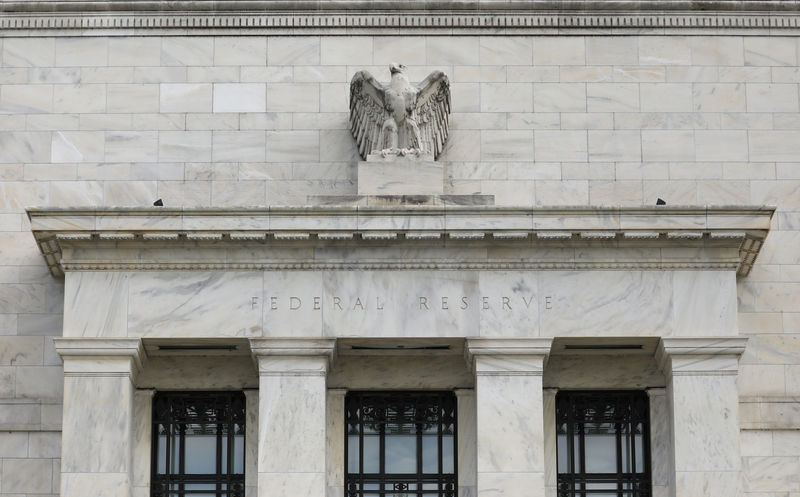
The Fed’s balance sheet stands at about $6.6 trillion, down from a roughly $9 trillion peak in 2022, while bank reserves are around $3 trillion. Dallas Fed President Lorie Logan said the Fed can reduce reserve demand through regulatory changes, more efficient reserves management and broader access to liquidity facilities (including discount window lending), rather than forcing banks to economize on reserves. Her remarks emphasize preserving the benefits of the ample-reserves framework to support financial stability and could affect liquidity-sensitive sectors (banks, short-term funding and Treasury/credit markets).
The Fed’s talk of shifting the reserve demand curve and using regulatory levers to shrink the balance sheet is a regime change for market liquidity rather than an instantaneous tightening. If reserves are nudged lower by order hundreds of billions over 6–18 months, expect a higher term premium and a steeper curve as dealers and banks bid for duration and liquidity — this mechanically compresses long-duration multiples and reallocates active flows into revenue-near or capex-driven names.
That rotation favors AI infrastructure and hardware vendors that convert bookings into cash sooner and can pass-through higher component costs, while it penalizes ad/consumer-facing, long-duration software whose valuations assume stable, low-term-premium financing. Banks and money-market plumbing will be the transmission mechanism: broader discount-window access lowers tail funding risk but reduces demand for excess liquidity, tightening short-term wholesale funding during episodic stress and increasing volatility in commercial paper and repo markets.
Tactically, this setup creates a multi-month window where durable secular AI winners with strong cash conversion should outperform cyclic ad-revenue names if the Fed stays the course. Reversals are clear: an unexpected Fed pause, a large geopolitical shock, or a rapid stop to reserve runoff would re-liquefy the market and re-rate growth multiples within weeks, so position sizing and time-limited option structures are preferred over naked directional exposure.
AI-powered research, real-time alerts, and portfolio analytics for institutional investors.
Overall Sentiment
neutral
Sentiment Score
0.00
Ticker Sentiment
