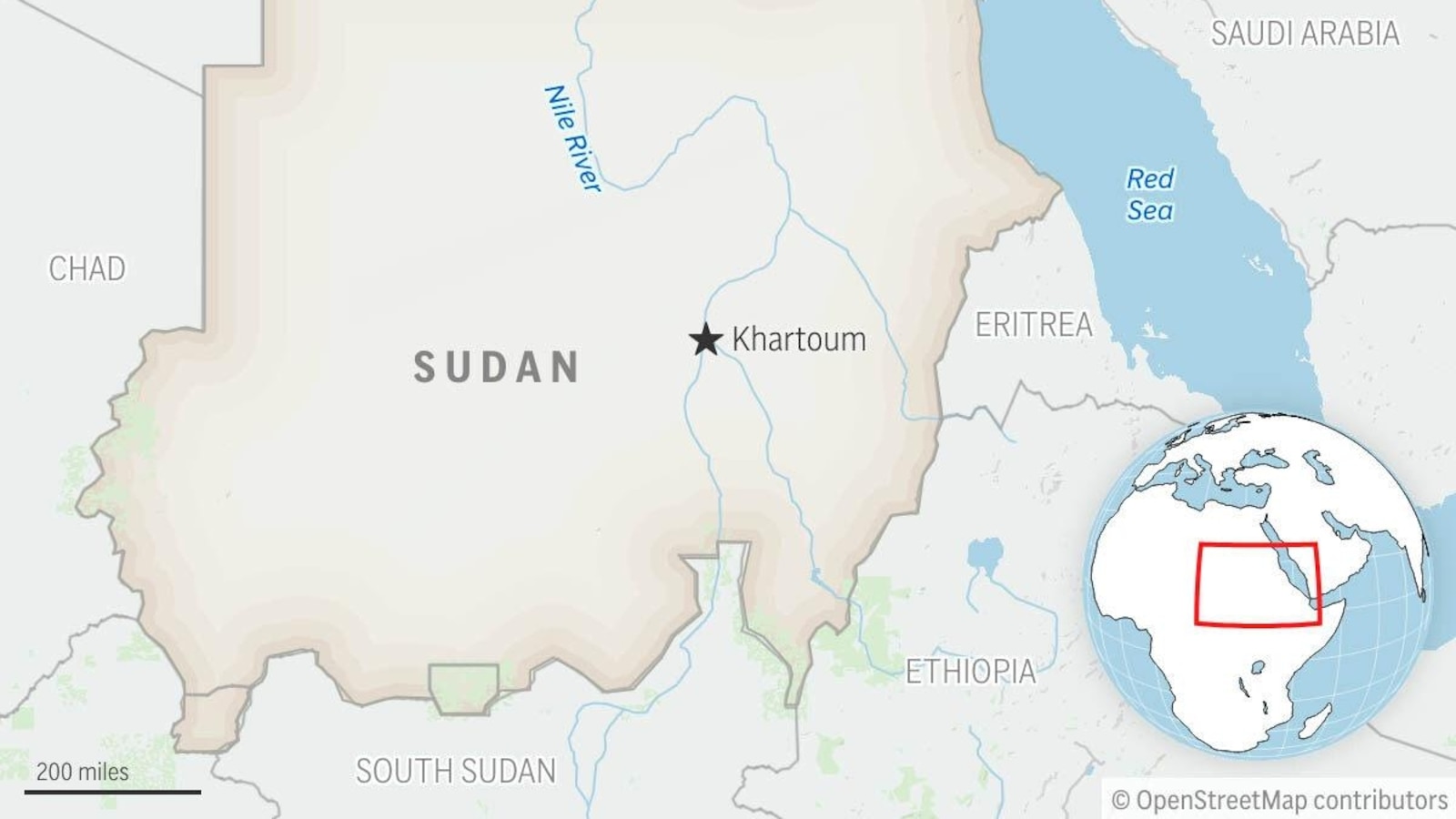
At least 64 people, including 13 children, were killed and 89 injured in a strike on Al Daein Teaching Hospital in East Darfur that rendered the hospital non-functional, the WHO reported. The RSF blamed the military for the strike while the army denied it and said the strike targeted a nearby police station. The conflict in Sudan has killed more than 40,000 people per U.N. figures and the WHO says over 2,000 people have been killed in attacks on medical facilities since the war began in April 2023. This escalation heightens geopolitical and humanitarian risk in the region and supports a cautious, risk-off stance toward Sudanese and nearby emerging-market exposures.
A localized escalation in Sudan is already propagating through three market channels: insurance/war-risk, safe-haven flows, and niche commodity flows. Insurance premiums for short transit corridors and energy shipping typically reprice within days; expect a 20–80% move in dedicated war-risk premia and a commensurate 1–3% lift in container and tanker freight rates if incidents persist beyond two weeks, squeezing logistics-dependent EM exporters.
Second-order supply effects concentrate on non-oil exports and informal gold routes. Disruption to artisanal gold/sesame/livestock corridors tends to redistribute supply into Gulf trading hubs, tightening spot availability and supporting gold miners’ margins by an incremental 2–6% across 1–3 months while pressuring local FX and regional bank credit where remittance/commodity flows are material.
Catalysts and reversals are clear and dateable: short-term (days–weeks) moves will be driven by headlines and any temporary closure of Red Sea/port facilities; medium-term (1–6 months) repricing depends on international mediation or a widening of hostilities into maritime routes; long-term (1–3 years) outcomes hinge on sustained governance vacuum that structurally reroutes trade and donor capital. Tail risks include spillover to adjacent choke points or a broader regional escalation that would accelerate safe-haven rallies and widen credit spreads dramatically, while a swift, credible ceasefire would unwind most dislocations within 2–8 weeks.
AI-powered research, real-time alerts, and portfolio analytics for institutional investors.
Overall Sentiment
extremely negative
Sentiment Score
-0.95
