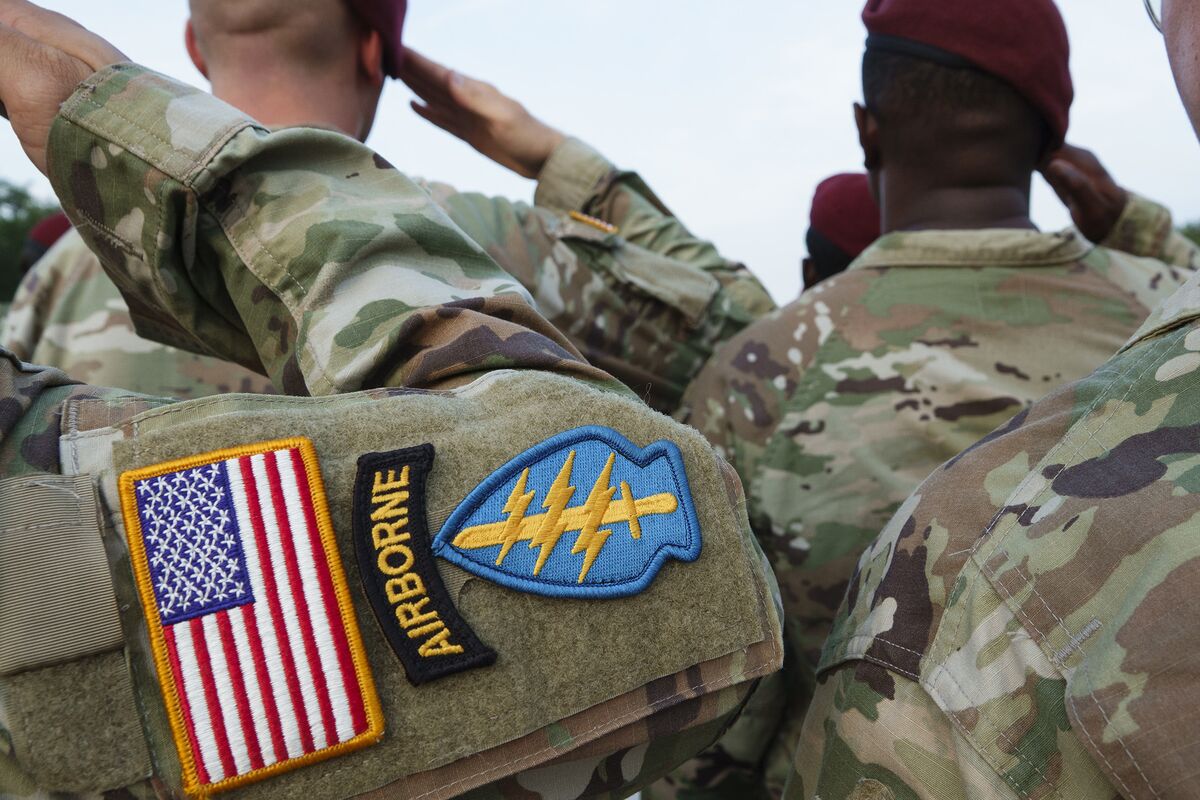
The US has ordered 'thousands' of troops to the region, raising the prospect of a risky ground invasion even as President Trump pushes for talks. Iran has publicly rejected diplomatic outreach and threatened massive retaliation, elevating geopolitical risk that could drive oil-price spikes, safe-haven flows (USD, gold, bonds) and volatility in risk assets and EM FX — consider hedging directional exposure and monitoring oil, EM currencies and defense contractors.
An elevated probability of kinetic escalation in the Middle East will ripple into commodity, insurance and logistics markets within days and widen into a multi-month supply-chain reshuffle. If tanker transit through chokepoints is intermittently threatened, spot crude could reprice by $10–15/bbl in 2–6 weeks while freight and war-risk insurance premiums spike 200–400%, re-routing cargoes and favoring pipeline-linked suppliers. Defense-industrial demand is the more durable effect: accelerated munitions and ISR (intelligence, surveillance, reconnaissance) replenishment creates multi-quarter production backlogs and shifts procurement toward firms with low-cycle manufacturing and turnkey integration capacity. Politically, domestic electoral incentives compress the acceptable casualty/time window for high-risk operations — that makes protracted conventional ground campaigns less likely but increases the probability of sustained proxy escalations, cyber shocks, and targeted strikes over the next 6–18 months.
AI-powered research, real-time alerts, and portfolio analytics for institutional investors.
Request DemoOverall Sentiment
strongly negative
Sentiment Score
-0.70
