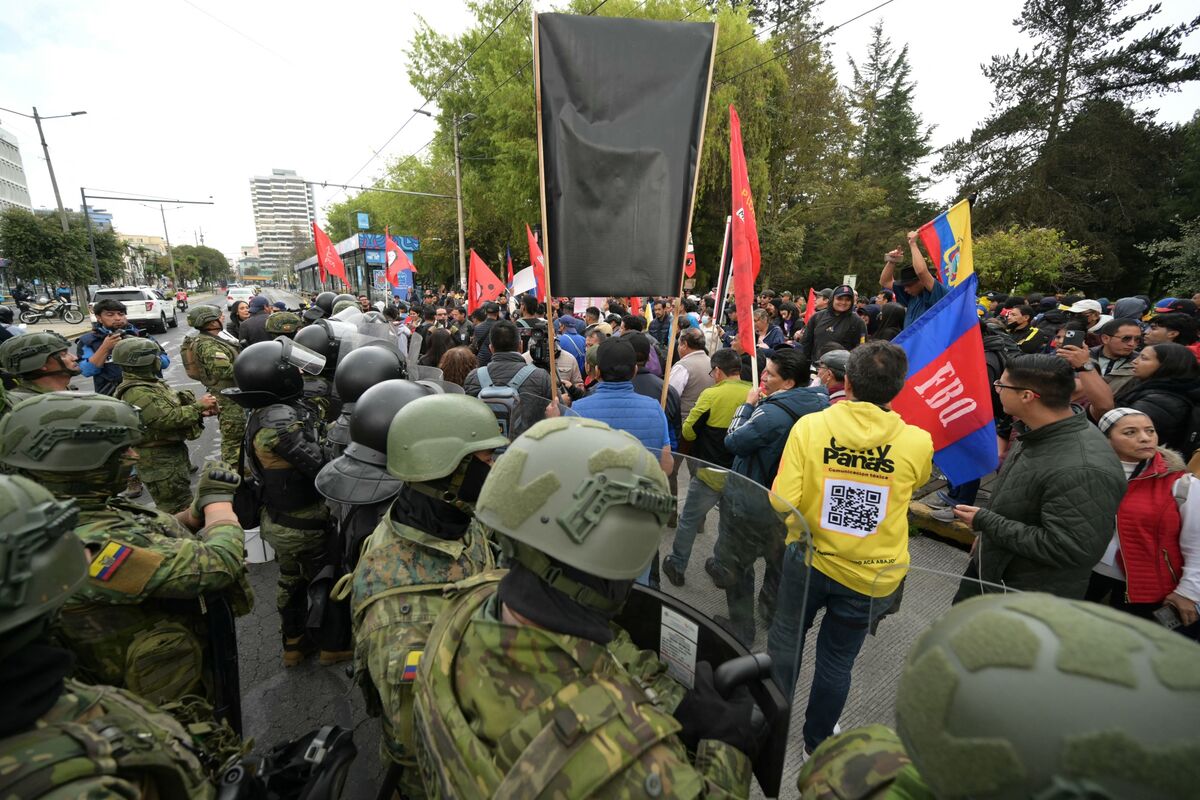
Protests in Ecuador, triggered by the government's plan to eliminate diesel subsidies, are set to conclude as President Daniel Noboa's administration and Indigenous organizations agreed to formal negotiations next week. Indigenous leaders have dropped their initial demand for subsidy reinstatement, instead requesting a price freeze, signaling a de-escalation of social unrest and a potential resolution to a significant fiscal and political challenge for the nation.
The agreement between Ecuador's government and Indigenous organizations to begin formal negotiations next week marks a significant de-escalation of protests over diesel subsidy removal. This development carries a moderately positive sentiment (0.55) and is anticipated to have a notable market impact (0.65), signaling a potential resolution to a key source of domestic instability.
A crucial concession by Indigenous leaders to shift their demand from subsidy reinstatement to a price freeze offers President Noboa's administration increased fiscal flexibility. This change in demands reduces the immediate budgetary pressure associated with energy subsidies, potentially improving the nation's fiscal outlook.
This resolution mitigates a significant source of social unrest and political risk, which is generally constructive for Ecuador's sovereign credit profile and broader emerging market sentiment. While a price freeze still implies some fiscal burden, it represents a more manageable outcome than the full reinstatement of subsidies, contributing to a more stable political and economic environment.
AI-powered research, real-time alerts, and portfolio analytics for institutional investors.
Overall Sentiment
moderately positive
Sentiment Score
0.55
