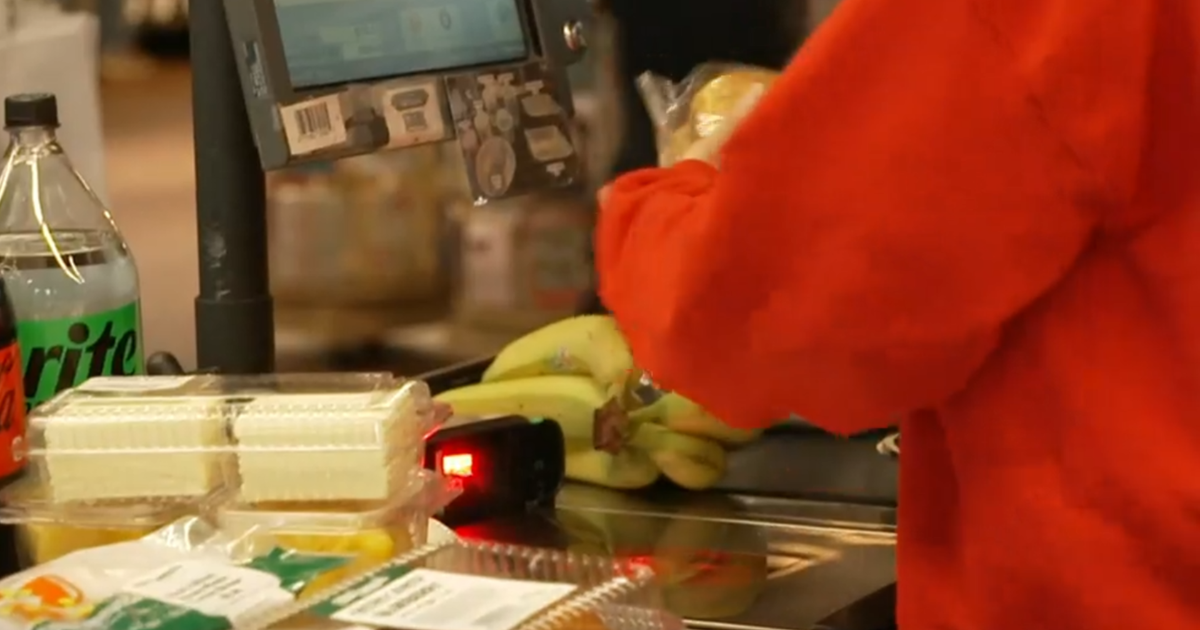
U.S. grocery prices increased 2.7% year-over-year in August, with a 0.5% monthly jump, attributed by analyst Phil Lempert to tariffs, climate change, and labor shortages. This inflationary pressure is expected to drive persistent shrinkflation, a trend already observed in approximately one-third of common consumer products since the pandemic, exemplified by coffee prices rising 21.7% due to factors including 50% tariffs on Brazilian imports. Such conditions are shifting consumer behavior towards more value-conscious purchasing, impacting retail and consumer goods sectors.
U.S. grocery prices are exhibiting renewed inflationary pressure, rising 2.7% year-over-year in August and 0.5% month-over-month, the fastest monthly rate since fall 2022. According to industry analyst Phil Lempert, this acceleration is driven by a confluence of structural factors: trade policy, specifically tariffs on key imports; climate change, which is displacing agricultural production to more costly regions; and persistent labor shortages. The impact is particularly acute in specific commodities, with coffee prices surging 21.7% year-over-year, directly linked to a 50% tariff on Brazilian beans, which constitute 35% of U.S. unroasted coffee imports. In response to these cost pressures, manufacturers are increasingly resorting to 'shrinkflation'—reducing product sizes while maintaining or slightly increasing prices. A September 2024 LendingTree analysis confirms this trend, finding that approximately one-third of common consumer products have shrunk since the pandemic. This strategy is causing a notable shift in consumer behavior, with shoppers gravitating towards private-label brands, comparison shopping across multiple stores, and buying in bulk to mitigate the impact on their budgets.
AI-powered research, real-time alerts, and portfolio analytics for institutional investors.
Overall Sentiment
moderately negative
Sentiment Score
-0.60
Ticker Sentiment
