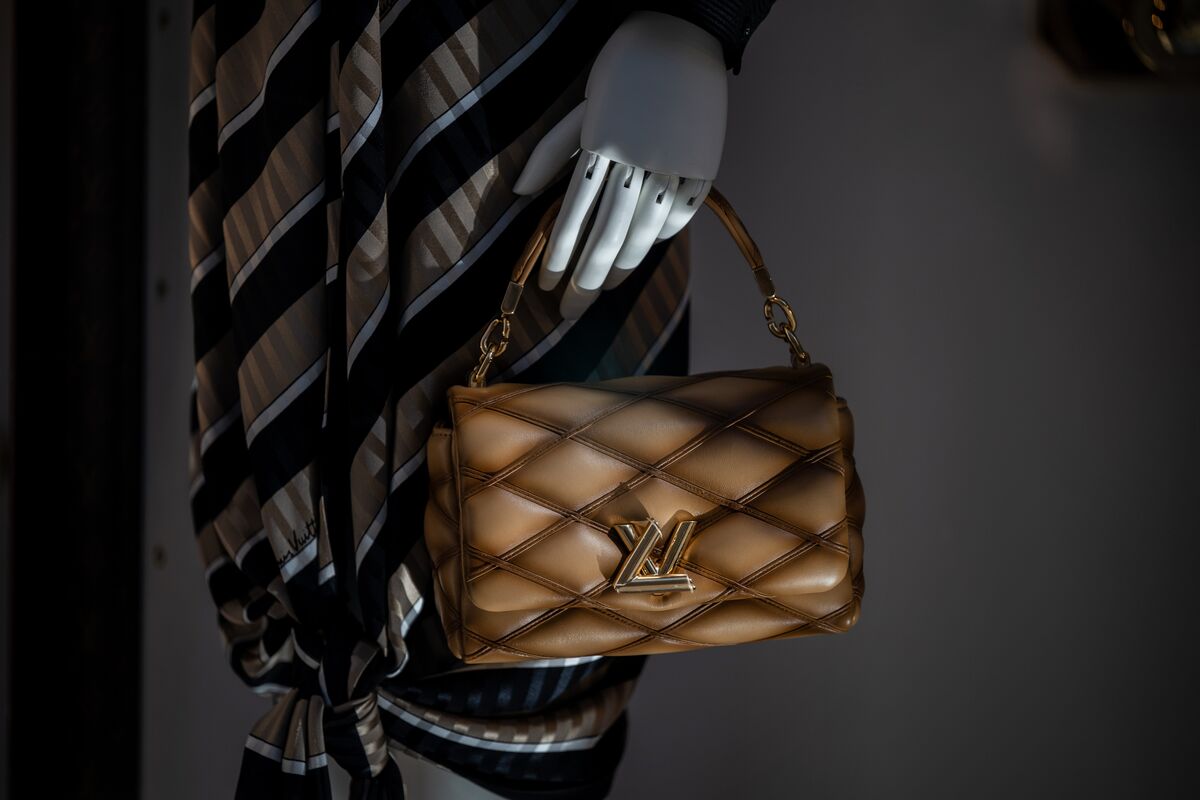
LVMH reported a 9% organic revenue decline in its fashion and leather goods division for the second quarter, exceeding analysts' estimates for a 7.8% drop, as demand for luxury items like Louis Vuitton and Dior products slumped in key markets such as Japan and China. This performance signals a continued post-pandemic downturn for the luxury giant, reflecting broader challenges in high-end consumer spending.
LVMH Moët Hennessy Louis Vuitton SE (LVMUY) has reported a significant deterioration in its core business segment, with the Fashion & Leather Goods division posting a 9% organic revenue decline in the second quarter. This performance is a notable negative surprise, as it falls short of the consensus analyst estimate of a 7.8% drop, signaling that the downturn is more severe than the market anticipated. The sales contraction is directly attributed to a slump in consumer demand in key markets, specifically Japan and China, indicating that the post-pandemic slowdown for the luxury titan is persisting. The weakening demand for high-margin products from iconic brands like Louis Vuitton and Dior underscores the headwinds facing the broader luxury sector amid challenging macroeconomic conditions.
AI-powered research, real-time alerts, and portfolio analytics for institutional investors.
Request DemoOverall Sentiment
strongly negative
Sentiment Score
-0.75
Ticker Sentiment
