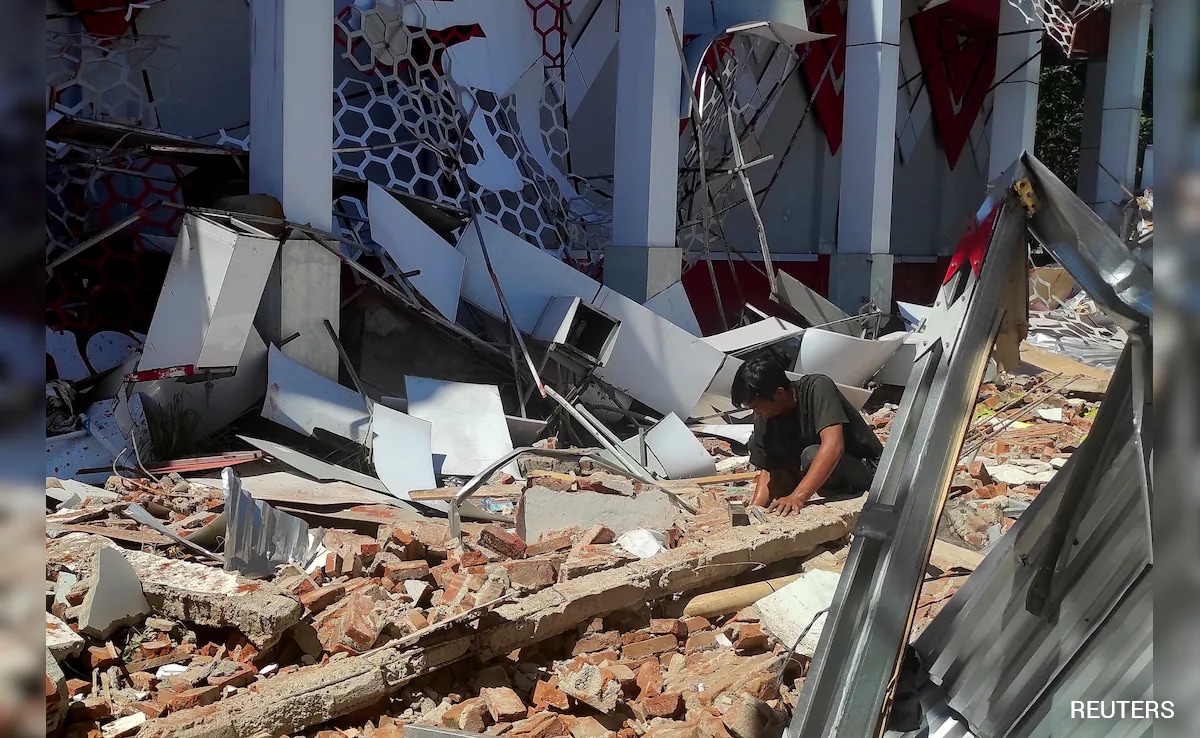
A 7.4-magnitude earthquake at 35 km depth struck the Molucca Sea, eastern Indonesia, killing one person and injuring another after a building collapse in Manado; tsunami waves up to 75 cm were recorded and a tsunami warning was lifted roughly two hours later. BMKG recorded 11 aftershocks (largest M5.5). Likely limited to regional disruption—monitor local infrastructure damage, insurance claims, and short-term logistics impacts in North Sulawesi and nearby provinces.
A shallow, near-coast seismic event in Sulawesi increases probability of short-term operational disruptions across island logistics nodes — ports, ferries and road links — that service mineral exports and regional manufacturing. Even if direct structural losses remain localized, supply-chain friction (rerouted shipping, port congestion, delayed ore shipments) can create a 2–8 week window of higher spot volatility for commodities that rely on Indonesian logistics, most notably nickel and some bulk ores.
The likely fiscal/credit consequence is a modest near-term transfer of reconstruction burden to provincial budgets and larger contractors because insurance penetration for residential/commercial property is low; that amplifies demand for cement, steel and quick-build contractors over the next 3–12 months while leaving sovereign bonds and the rupiah vulnerable to risk-off flows if further aftershocks compound damage. Market reflexes (tourism flows, regional airline bookings) will produce immediate revenue hits for local operators but these generally normalize within a quarter unless repeated shocks occur.
Tail risk is concentrated: a damaging aftershock sequence or seasonal rains could convert localized damage into sustained supply shocks and a reputational hit for Indonesia’s EM narrative, shifting portfolio flows for several months. Catalysts that would reverse downside — rapid, visible central government cash injection, foreign emergency aid, or faster-than-expected restart of port/mining throughput — would restore sentiment within 2–6 weeks and compress realized volatility.
AI-powered research, real-time alerts, and portfolio analytics for institutional investors.
Request DemoOverall Sentiment
moderately negative
Sentiment Score
-0.50
