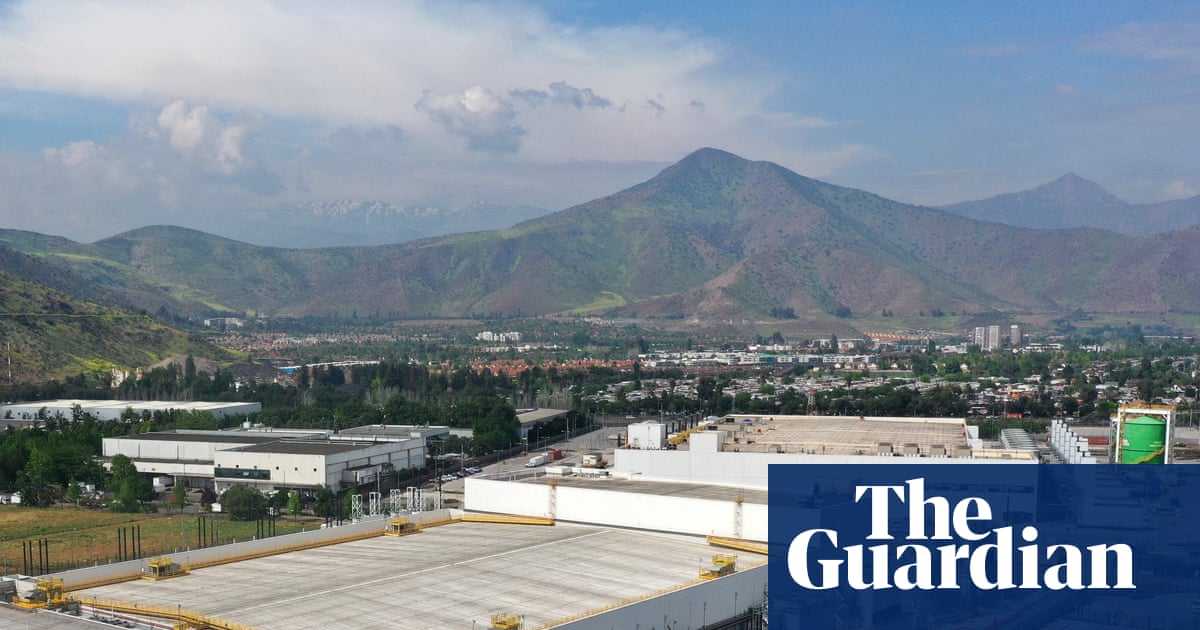
Local communities in Latin America are increasingly opposing the construction of large data centers, citing significant environmental impacts related to water, energy, and diesel consumption, alongside a lack of transparency from governments and corporations. Governments in countries like Chile and Brazil are actively attracting foreign investment for these facilities through tax exemptions and deregulation of environmental assessments, which is fueling local anger and legal challenges. Notably, communities in Uruguay successfully sued for information regarding a Google data center's water usage during a drought, leveraging the Escazú agreement for environmental transparency. This trend indicates growing regulatory and reputational risks for big tech and institutional investors in data center infrastructure, as community opposition and legal scrutiny intensify.
The proliferation of large-scale data centers, critical for AI infrastructure, faces mounting local opposition across the US, UK, and Latin America due to significant environmental concerns, particularly regarding water, energy, and diesel consumption. Governments in regions like Chile and Brazil are actively pursuing foreign investment in data centers through public policies, including tax exemptions and deregulation of environmental assessments, such as modifying diesel thresholds in Chile to bypass scrutiny. This approach, aimed at attracting capital, is generating considerable local anger and legal challenges.
A key driver of this opposition is the pervasive lack of transparency from both corporations and governments regarding the environmental impact data of these facilities, often citing corporate secrecy. This opacity has led communities, such as those in Uruguay, to successfully pursue legal action, leveraging agreements like Escazú, to compel disclosure of critical information like water usage for a Google (GOOGL) data center during a drought. This legal precedent highlights a growing regulatory risk for data center operators.
The "moderately negative" sentiment and "pessimistic" tone surrounding these developments, coupled with a negative per-ticker sentiment for GOOGL/GOOG (-0.7), underscore increasing reputational and operational risks for big tech and institutional investors in the data center sector. While some communities view tech companies as potential levers to raise environmental standards, the overall trend points to intensified scrutiny and potential project delays or increased compliance costs.
AI-powered research, real-time alerts, and portfolio analytics for institutional investors.
Request DemoOverall Sentiment
moderately negative
Sentiment Score
-0.55
Ticker Sentiment
