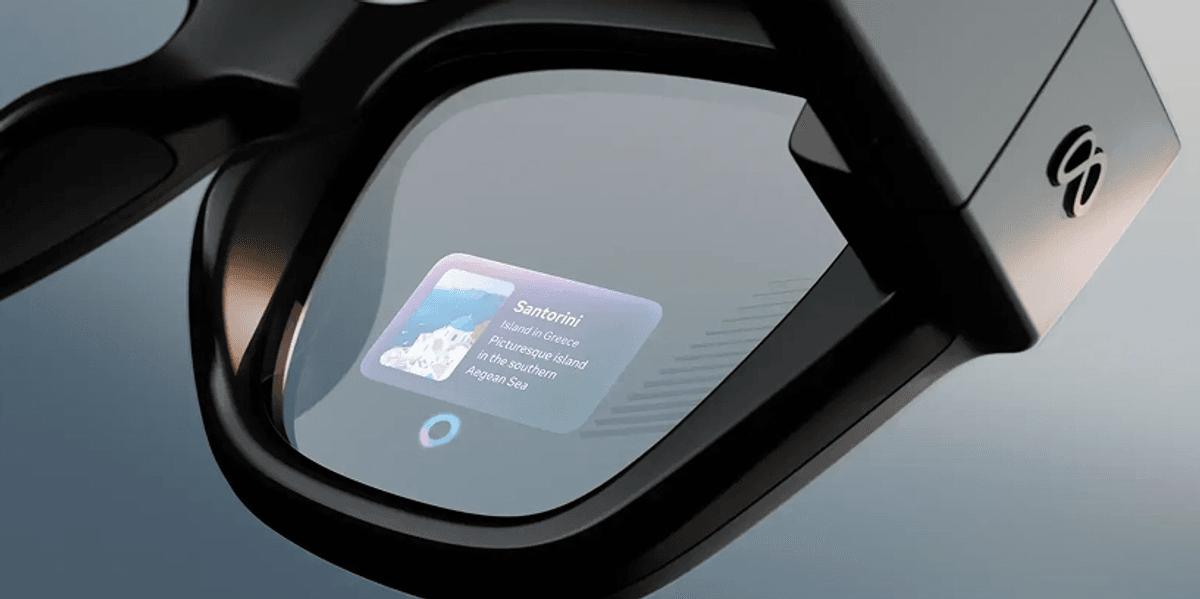
Even Realities launched the camera-less G2 smart glasses and Even Hub app store (50 apps; >2,000 developers) and its CEO called embedding HD cameras in glasses 'really irresponsible'. The comments follow reports that Meta’s Ray-Ban smart glasses allegedly recorded high-resolution footage of users undressing and using toilets, reportedly reviewed by contractors at Kenya-based Sama. The episode poses reputational and privacy risk for Meta, could spur regulatory scrutiny or consumer pushback, and creates a modest competitive opening for camera-free entrants.
The immediate fallout is less about a single product misstep and more about an accelerant to longer-term regulatory and consumer trust decay in camera-first wearables. That decay increases the cost of customer acquisition for any vendor pushing always-on optics and creates a runway advantage for players who can credibly claim privacy-by-design; over 6–12 months this can widen gross margins for privacy-led incumbents by allowing premium pricing and reducing return/repair churn.
Second-order supply effects matter: regulators and large buyers will demand verifiable on-device processing and audited pipelines, pushing procurement toward vendors with in-house silicon, secure enclaves, and audited data labeling partners. Expect a non-linear increase in demand (and pricing power) for secure sensor stacks, waveguides, and TEE-capable SoCs over 12–24 months — firms that outsource labeling to third parties may face both cost inflation and temporal data-access constraints that slow ML model refresh cycles.
Catalysts that will determine direction: (1) any credible third-party audit or architecture change that demonstrably severs raw camera feeds from external reviewers (near-term, 1–3 months) can truncate downside; (2) regulatory actions or class-action filings (3–12 months) will materially increase legal and compliance spend and could compress multiple by ~10–20% versus peers. The base case is modest revenue disruption for ad platforms but outsized reputational impairment for hardware-led growth, creating a 3–9 month window for tactical positioning.
AI-powered research, real-time alerts, and portfolio analytics for institutional investors.
Overall Sentiment
mildly negative
Sentiment Score
-0.25
Ticker Sentiment
