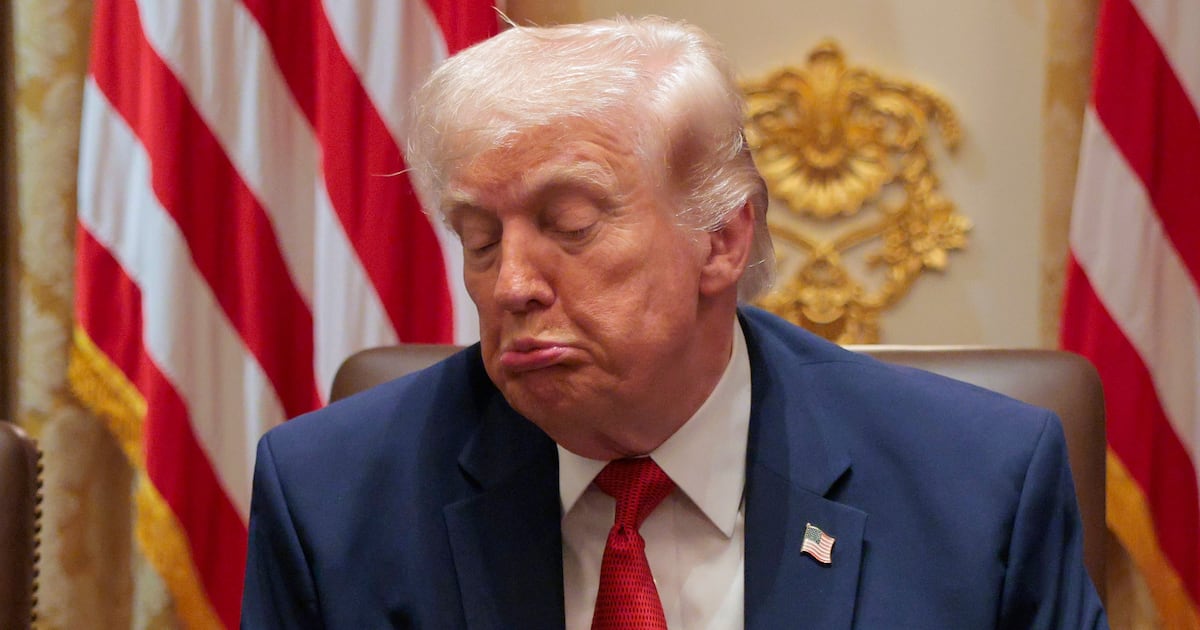
President Trump’s planned prime-time address and comments that the U.S. is preparing to leave Iran 'very soon' have elevated geopolitical risk; oil moved ~3% intraday, trading around $100–$101/bbl after the announcement. UK PM Keir Starmer and Australian PM Anthony Albanese issued public warnings about an energy squeeze tied to Strait of Hormuz disruptions and signalled distancing from U.S. policy, increasing the likelihood of supply-chain disruption. Expect risk-off flows and heightened volatility in energy markets and regional assets.
Geopolitical risk is compressing into an energy risk premium that will manifest first through maritime insurance, freight, and rerouting costs rather than immediate production shortfalls. A durable closure or intermittent disruption of Strait routes forces VLCCs and product tankers to add 6–10 days per voyage (roughly +10–20% bunker burn) and pushes war-risk premiums and time-charter rates materially higher in weeks, which flows through to spot fuel and refined-product spreads.
Spare OPEC capacity (~2–3 mb/d) and OECD SPRs (order of hundreds of millions of barrels) provide a near-term cushion measured in weeks, not months; once disruptions persist past 4–8 weeks inventory draws become visible and squeeze refiners and downstream consumers. That framing creates a cliff: headline-driven volatility in days followed by conditional structural repricing over 1–3 months if the shipping corridor remains intermittently impaired.
Second-order winners include integrated producers with low lifting costs and tactical shale names that can flex output within months, marine insurers and owners of large tankers that benefit from higher rates, and fixed-income defenders (IG duration) that outperform in disinflation scenarios if central banks react to growth slowdowns. Losers are airlines and logistics-heavy sectors facing immediate fuel and freight margin pressure, EM oil importers whose current-account stress can widen quickly, and service sectors exposed to higher diesel and transport costs.
Key catalysts to watch as trade triggers are (1) formal coalition or lack thereof to secure shipping lanes, (2) duration of any shipping disruption beyond 4 weeks, (3) OPEC+ spare capacity deployments or coordinated SPR releases, and (4) insurance market notices that change war-risk corridor pricing. A reversal can come fast if coalition guarantees restore safe passage or coordinated releases backfill markets within 2–4 weeks, causing mean reversion in both freight and oil risk premia.
AI-powered research, real-time alerts, and portfolio analytics for institutional investors.
Request DemoOverall Sentiment
mildly negative
Sentiment Score
-0.40
