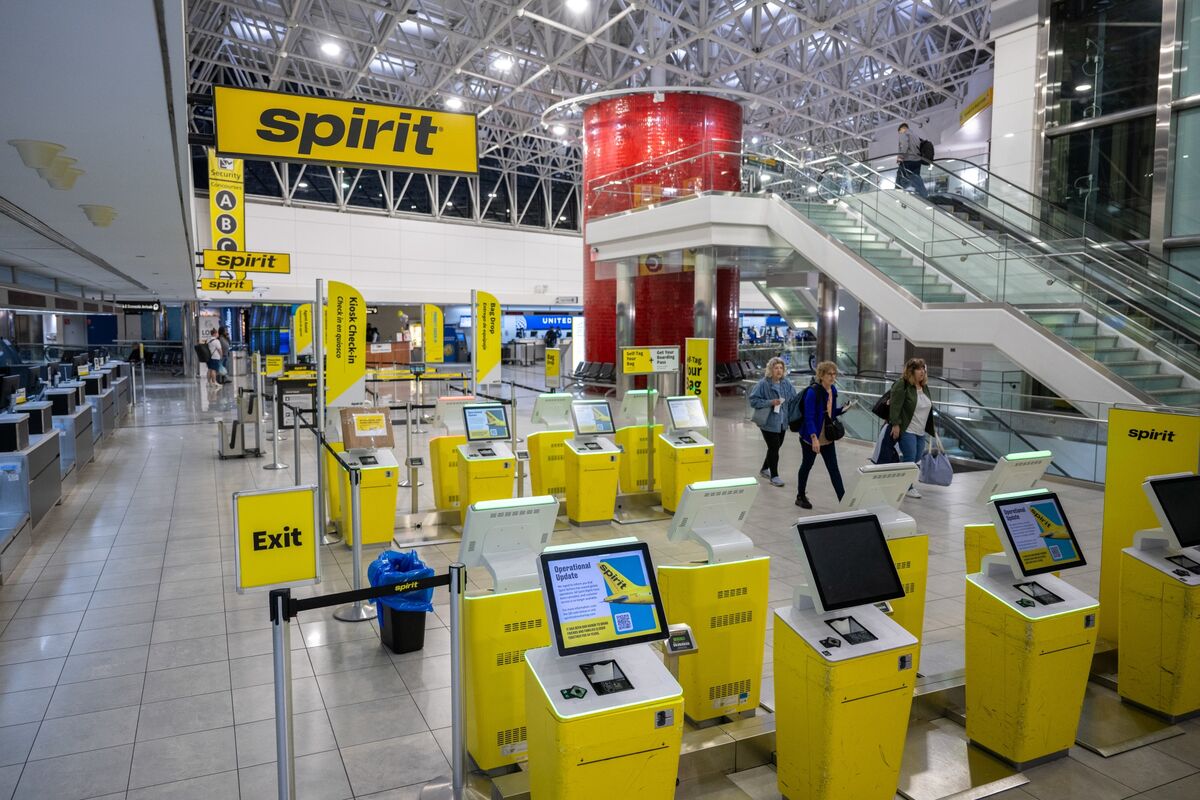
Spirit Aviation Holdings is beginning an orderly wind-down and asset sale after ceasing all passenger flights, marking a near-liquidation event for the low-cost carrier. The company filed a motion to wind down operations and is seeking to amend its bankruptcy loan to secure funding for the sale of aircraft, spare engines, and parts. The move follows two bankruptcy filings in recent years and the failure to secure a last-minute U.S. government rescue.
This is less a single-company liquidation story than a signal that ultra-low-fare capacity is about to be removed from the system in a way that is likely messy in the near term but constructive for the rest of domestic leisure air travel over the next 3-9 months. The biggest second-order effect is on fare discipline: the weakest price-taker disappears first, which usually allows surviving carriers to widen spreads on short-haul Florida, Caribbean, and VFR-heavy routes before capacity is fully reallocated. The near-term market is likely to misread this as broadly negative for airline demand, but the more important variable is that distressed capacity is not instantly replaced because aircraft, crews, and gate access are scarce in the right submarkets. The asset-sale path also creates a non-obvious winner in less visible parts of the aviation supply chain. Spare engines, parts, and maintenance capacity should clear at attractive prices, which can benefit leasing, MRO, and aftermarket channels as stressed assets are monetized quickly. At the same time, vendors with unsecured exposure to the carrier face elevated haircut risk, and the bankruptcy lender may be the real economic winner if it can control timing and collateral while forcing a sale into a thin buyer pool. The main risk is that competitive capacity moves faster than expected: if larger low-cost carriers or legacy airlines redeploy aircraft into the abandoned routes within one to two quarters, the pricing benefit could be temporary rather than structural. Still, the asymmetry favors the survivors because the downside case for the sector is already priced into weak balance sheets, while the upside from even modest fare normalization can drop quickly to margins. The reverse trigger would be a broader travel-demand slowdown or a forced capacity dump by creditors, which would compress yields across the group within days to weeks rather than months.
AI-powered research, real-time alerts, and portfolio analytics for institutional investors.
Overall Sentiment
extremely negative
Sentiment Score
-0.95
