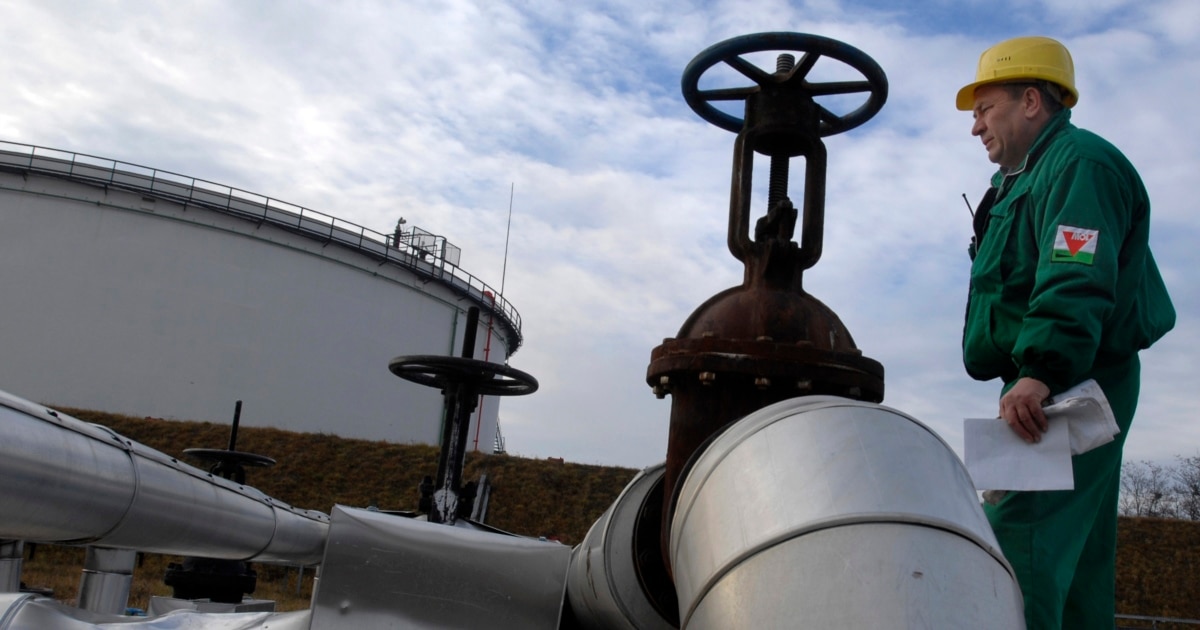
US President Donald Trump has urged NATO countries, specifically Turkey, Hungary, and Slovakia, to cease importing Russian oil, threatening secondary tariffs to pressure Moscow. Turkey, a major importer benefiting from discounted crude and refining for Europe, faces significant economic and logistical challenges in divesting, as do Hungary and Slovakia due to infrastructure dependence. While the initiative aims to weaken Russia, analysts highlight that diversification is technically achievable but requires political will, with China also warning of countermeasures should NATO nations impose tariffs as suggested by Trump.
Recent statements from US President Donald Trump calling for NATO allies to cease Russian oil imports introduce significant geopolitical risk to European energy markets and global trade dynamics. The focus is primarily on Turkey, the third-largest global importer of Russian crude, as well as Hungary and Slovakia. For Turkey, compliance presents a substantial economic challenge, as its refining sector profits from heavily discounted Russian oil, with some refineries reportedly sourcing 90% of their crude from Russia. A shift in supply would be costly and time-consuming. While Hungary and Slovakia cite dependency on the Druzhba pipeline, analysts note that alternative sourcing via the Adria pipeline is technically feasible, framing the obstacle as a matter of "political and economic will" which would likely lead to more expensive fuel. The potential loss of the Turkish market would represent a significant problem for Moscow, likely forcing it to offer even greater discounts to other buyers to redirect volumes. The situation is further complicated by Trump's call for 50-100% tariffs on China, a move Beijing has stated would be met with "firm countermeasures," escalating trade tensions for European nations already managing US tariffs and reliant on Chinese trade.
AI-powered research, real-time alerts, and portfolio analytics for institutional investors.
Overall Sentiment
mildly negative
Sentiment Score
-0.20
Ticker Sentiment
