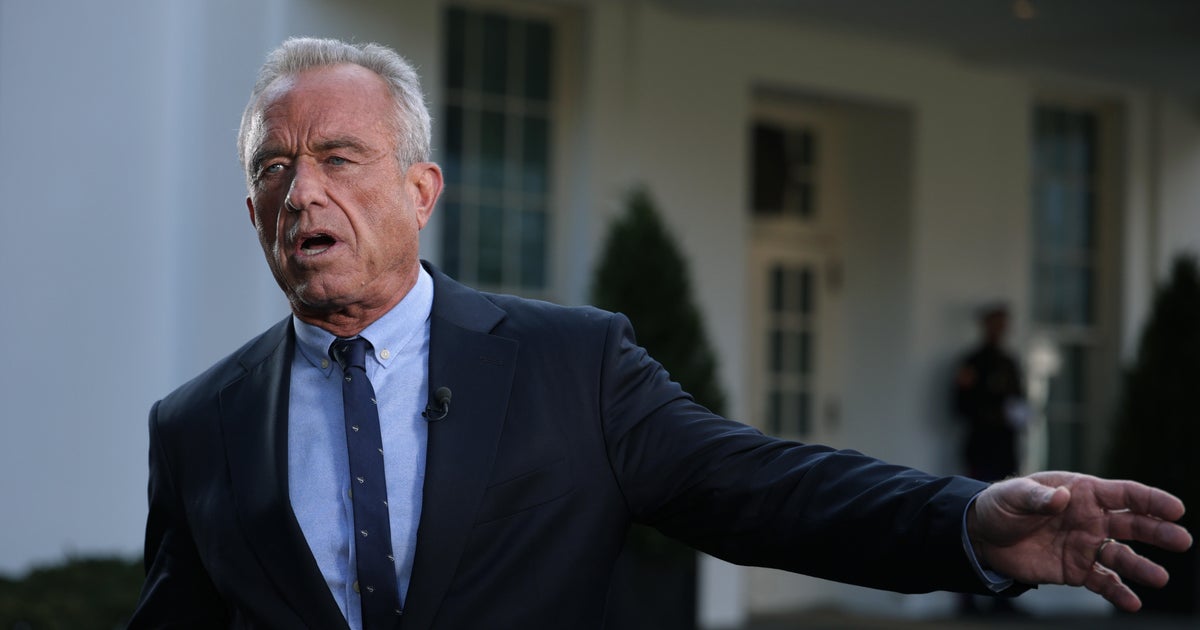
HHS Secretary Robert F. Kennedy Jr. announced a freeze of $10 billion in federal social-services funding to five Democrat-led states — Minnesota, California, New York, Illinois and Colorado — saying the states refused to provide plans to eliminate alleged fraud. The action follows a prior freeze of child-care funding for Minnesota and comes without publicly presented evidence of widespread fraud in the other states, raising legal and political uncertainty and potential near-term budgetary stress for state-run social programs.
Market structure: The HHS $10bn freeze disproportionately hits social-service contractors, childcare providers and state-administered programs in CA, NY, IL, MN and CO; public-company exposures include Maximus (MMS) and Bright Horizons (BFAM) with direct revenue risk and local retailers serving low-income households facing demand compression. Municipal credit markets will see idiosyncratic stress: $10bn is small versus CA’s ~$300B budget but concentrated cashflow shocks to service-level payments can widen 5–30bp concessions on short-dated state GO and provider-backed munis. Cross-asset: expect knee-jerk muni spread widening vs Treasuries, modest safe-haven inflows into TLT and USD stability; commodities and FX largely unaffected absent broader fiscal escalation.
Risk assessment: Near-term (days) risk is headline-driven volatility and potential share-price hits for contractors; short-term (weeks–months) risk centers on legal injunctions, state countermeasures and contract clawbacks; long-term (quarters+) is politicization of federal transfers raising structural premia on state policy risk. Tail scenarios include expansion of freezes to >10 states (high-impact, low-probability) or a court block forcing immediate reinstatement — either will rapidly reprice muni and service-contractor names. Key catalysts: HHS evidence release (0–30 days), state lawsuits (30–90 days), midterm political shifts (6–12 months).
Trade implications: Tactical defensive stance: buy duration as liquidity hedge and buy protection on exposed contractors. Expect 10–30bp spread moves in short-maturity state munis within 30 days; trade using liquid instruments (MUB, TLT) and single-name options (MMS, BFAM). Position sizing should be small (1–3% active risk) with clear spread/price triggers for exits.
Contrarian angles: Consensus will overstate solvency risk of sovereign-like states; a rapid legal reversal or negotiated remediation could cause sharp mean-reversion in munis and contractor equities. Historical parallels: episodic federal-state payment disputes (post-2013 sequestration) produced 25–50% rebounds within 30–90 days; mispricings may appear in closed-end muni funds and single-name contractors that overreact. Unintended consequence: aggressive cuts increase short-term defaults among small providers, creating acquisition opportunities for scaled private operators.
AI-powered research, real-time alerts, and portfolio analytics for institutional investors.
Request DemoOverall Sentiment
mildly negative
Sentiment Score
-0.25
