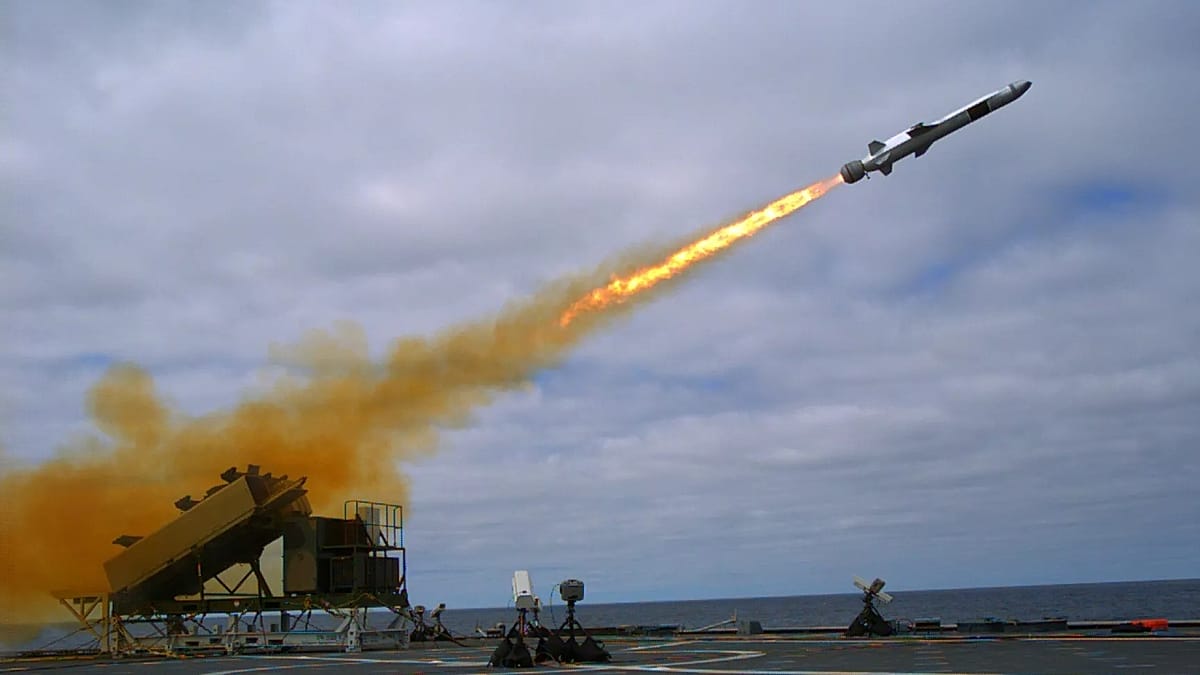
Norway revoked the export license for Kongsberg Defence & Aerospace’s Naval Strike Missile system for Malaysia, blocking delivery of missile and launcher components for the navy’s littoral combat ship programme. Malaysia says it has already paid nearly 95% of the contract value and is now considering legal action and compensation claims. The decision raises supply-chain and sovereign reliability concerns for European defence suppliers and could affect defense procurement confidence in the region.
This is less an isolated contract dispute than a credibility shock to European defense export reliability. The first-order hit is to Kongsberg’s order conversion and aftermarket opportunity, but the second-order effect is broader: customers in Southeast Asia, the Gulf, and Latin America will now price in political override risk, which lengthens sales cycles and forces higher bid discounts, local production offsets, and financing sweeteners. That raises the hurdle rate for European primes relative to U.S. suppliers with more predictable export pathways and larger domestic backstops. The immediate losers are not just the named contractor but the entire ecosystem that sells through long-dated government-to-government programs: subsystems, integration partners, and shipbuilders tied to missile-equipped naval platforms. If Malaysia seeks compensation, the legal overhang could linger for quarters to years, but the more material commercial damage is reputational and cumulative — one high-profile reversal can contaminate several active negotiations, especially where buyers are already skeptical about sovereignty constraints embedded in Western supply chains. The key catalyst path is diplomatic, not operational: if Oslo reverses course or offers a workaround, the market will re-rate this as noise; if not, expect a slow leakage of export share toward non-European competitors and domestic Asian alternatives. Contrarianly, the market may underappreciate the upside for U.S. defense names because this is not a demand destruction event for defense budgets; it is a procurement-share event. The best trades are therefore relative-value positions, not directional shorts on defense as a sector.
AI-powered research, real-time alerts, and portfolio analytics for institutional investors.
Overall Sentiment
strongly negative
Sentiment Score
-0.62
