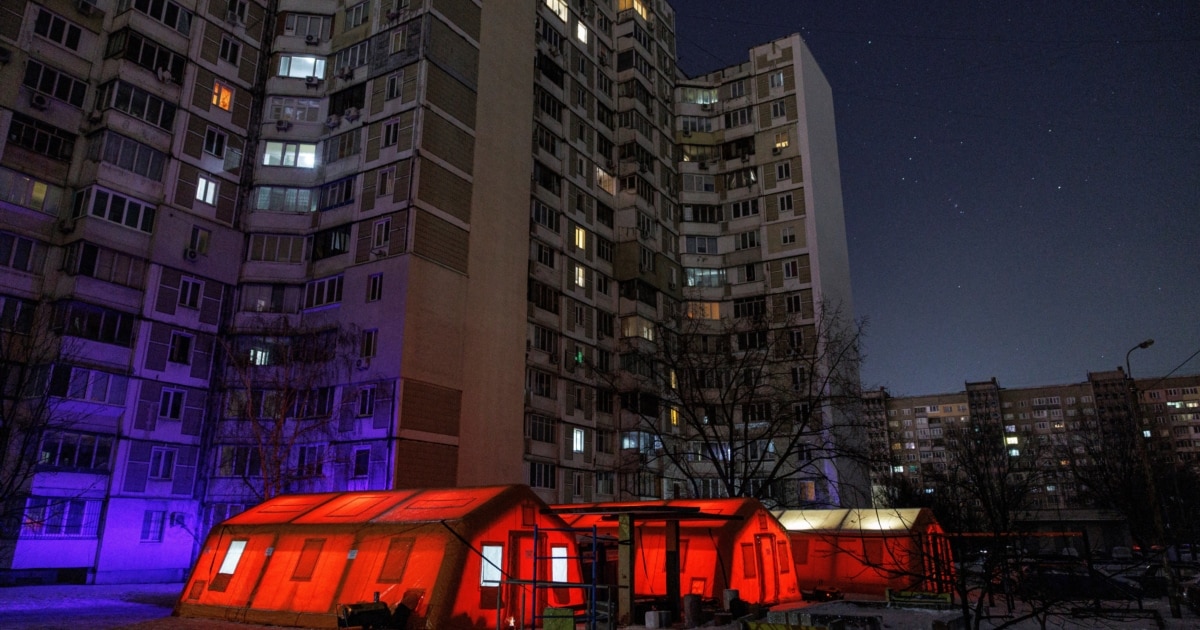
A former head of Ukraine’s grid operator, 47-year-old Oleksiy Brecht, died repairing a substation damaged in a Russian strike amid a sustained campaign that has left up to a million people without heat. The International Criminal Court has issued indictments tied to attacks on Ukraine’s energy infrastructure—including warrants publicized in 2024 against Sergei Kobylash, Viktor Sokolov, Sergei Shoigu and Valery Gerasimov—but cannot presently charge Vladimir Putin for the crime of aggression, prompting moves to create a separate Special Tribunal; the EU and Council of Europe have approved €10 million to fund an advance team to prepare the tribunal’s establishment.
Market structure: Persistent targeted attacks on Ukraine’s grid shift real demand toward LNG, stored fuels, backup generators, and grid-resilience vendors while damaging incumbent Ukrainian/neighboring utilities and insurance capacity. Expect European TTF-equivalent gas and power volatility to rise into winters: spikes of +20–50% in acute events are plausible, benefiting LNG exporters (Cheniere LNG), grid-equipment names (ABB, Siemens Energy) and defense contractors via higher budgets.
Risk assessment: Tail risks include escalation to strikes on major pipelines or nuclear facilities (low-probability, high-impact) that would spike energy prices, force sovereign funding shocks, and widen credit spreads for eastern European corporates; material catalysts are severe cold snaps, new ICC/tribunal actions, or Russian export retaliation. Immediate (days) = volatility spikes; short-term (weeks–months) = LNG routing and storage dynamics; long-term (quarters–years) = reconstruction capex in metals, grid, and defense.
Trade implications: Favor 6–18 month longs in defense and grid OEMs, tactical long TTF/gas call spreads for winter 2026/27, and selective shorts in EU utilities with heavy gas exposure; use options to buy volatility (calendar or call spreads) rather than naked futures. Cross-asset: expect steeper EM/Ukraine sovereign spreads, marginal RUB weakness on sanctions talk, and higher power/coal forward curves.
Contrarian angles: Consensus may overprice permanent European gas scarcity; LNG capacity coming online in 2026–27 could compress winter premia — tradeable mean reversion. Also tribunal progress (funding €10m) increases political signaling but not immediate operational constraints; don’t assume instant decoupling of Russian hydrocarbons — mis-timed shorts on integrated energy majors are risky.
AI-powered research, real-time alerts, and portfolio analytics for institutional investors.
Request DemoOverall Sentiment
moderately negative
Sentiment Score
-0.50
