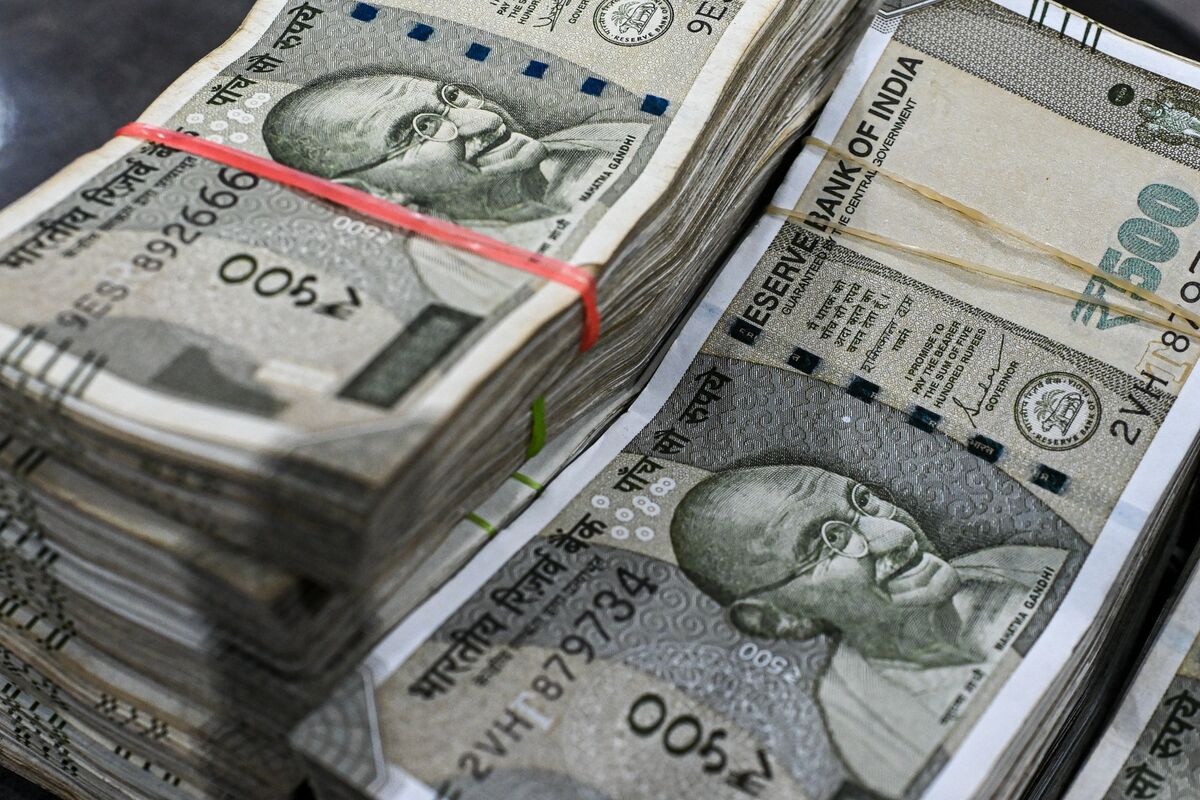
The Indian rupee is approaching a new low, falling to 88.7988 against the dollar, despite the Reserve Bank of India's recent interventions to sell significant amounts of dollars, which have provided only limited and temporary respite. As Asia's worst-performing currency this year, the rupee faces persistent pressure from uncertainty surrounding US tariffs on Indian exports and a less certain trajectory for Federal Reserve rate cuts, signaling ongoing challenges for the central bank's stabilization efforts.
The Indian Rupee (INR) is nearing a new record low, trading at 88.7988 against the US Dollar after falling for a third consecutive session. This persistent depreciation positions the INR as Asia's worst-performing currency this year, highlighting significant underlying pressures despite recent central bank efforts.
The Reserve Bank of India (RBI) previously intervened by selling large amounts of dollars, which provided only limited and temporary respite, failing to sustain the rupee's gains. Key drivers of the current weakness include uncertainty surrounding potential US tariffs on Indian exports and a less clear trajectory for Federal Reserve interest rate cuts.
This scenario suggests that external macroeconomic factors and trade policy concerns are currently outweighing domestic monetary policy interventions. The ongoing pressure on the rupee indicates a challenging outlook for currency stability, potentially impacting import costs and foreign investment flows into India.
AI-powered research, real-time alerts, and portfolio analytics for institutional investors.
Request DemoOverall Sentiment
strongly negative
Sentiment Score
-0.75
