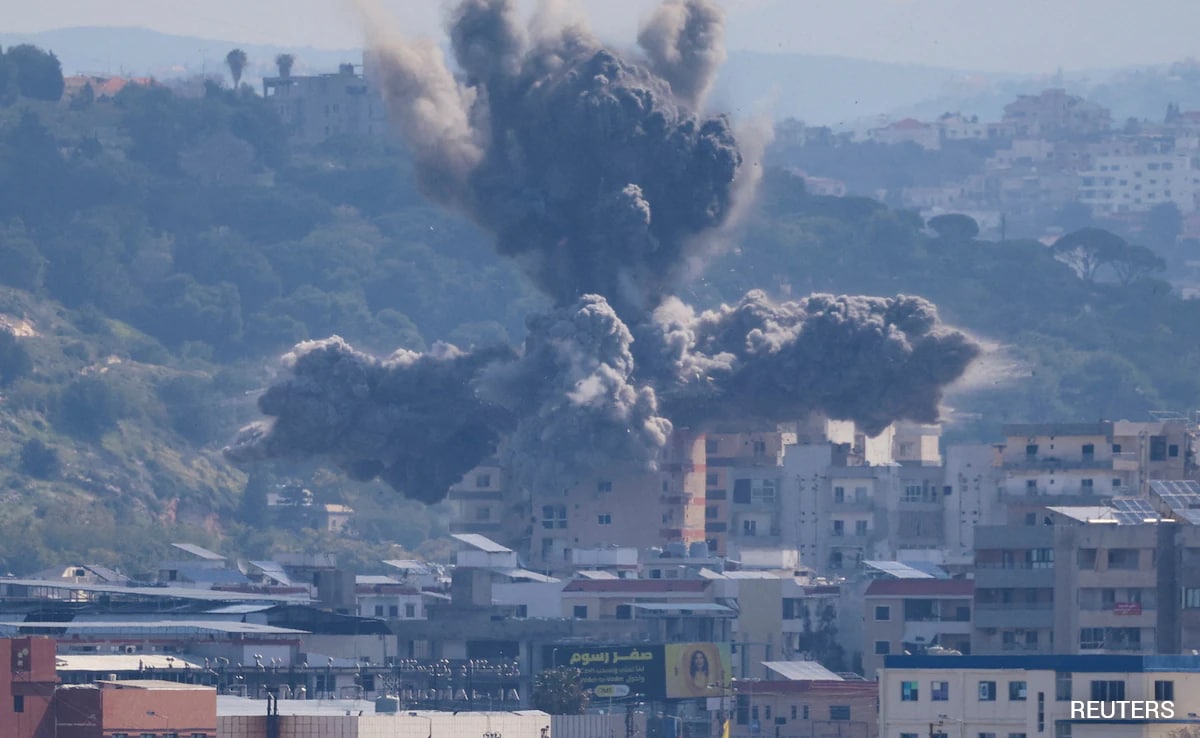
Iran reclosed the Strait of Hormuz, threatening a fragile U.S.-Iran ceasefire and endangering roughly 20% of global oil transit; Iran is demanding tolls up to $1/barrel and only 11 vessels transited the strait on the reported day. Israel intensified strikes on Hezbollah in Lebanon, with at least 254 killed and over 1,100 wounded in recent strikes and more than 1.2 million displaced, raising the risk of broader regional escalation. Expect material market implications: elevated oil-price and shipping-risk upside, higher war-risk insurance premiums, and a broad risk-off move—monitor oil markets, shipping flows, and diplomatic developments closely.
The immediate market consequence is a step-change in transport cost and risk premia rather than a permanent supply shock: elevated tanker charter rates, war-risk insurance, and route diversion raise marginal delivered crude costs by a multi-dollar per barrel tax within days, but US shale and strategic releases can cap that premium over 3–6 months. Expect VLCC/Suezmax TCEs to spike first — historically these rates move 200–600% in the first 2–4 weeks of a chokepoint shock — and that flow-through will compress refinery complex margins unevenly (coastal refiners with access to alternative grades win vs landlocked/upgrader assets).
Second-order winners will be short-duration, asset-light players that capture freight & storage optionality (tanker owners offering floating storage, war-risk insurers re-pricing) and defense primes that can convert urgency into multi-year procurements; losers include container logistics names with tight inventory cycles and capital-intensive refiners whose feedstock logistics are disrupted. Banking and trade finance lines for Gulf-origin crude and petrochemical flows will see widening spreads and curtailed tenor, creating liquidity squeezes for mid-cap commodity traders within 30–90 days.
Tail risks skew to the upside for energy prices if disruption persists beyond a month: a sustained multi-week premium can re-price futures curves into steeper backwardation, incentivizing onshore storage and further tightening prompt market liquidity. A rapid diplomatic resolution or insurance corridor would unwind most of the near-term moves within days, but political frictions that multicast (Israel/Hezbollah/Iran) raise the probability of episodic re-closures for quarters rather than days.
The market is probably overshooting duration: short, option-driven plays on Brent and tactical long exposures to freight/storage capture the majority of expected moves while limiting downside if the chokepoint reopens. Conversely, long-duration bets on refining earnings or cyclicals assume sustained logistic frictions and should be sized conservatively until there is clarity on insurance corridors and alternative routing cadence.
AI-powered research, real-time alerts, and portfolio analytics for institutional investors.
Request DemoOverall Sentiment
strongly negative
Sentiment Score
-0.80
