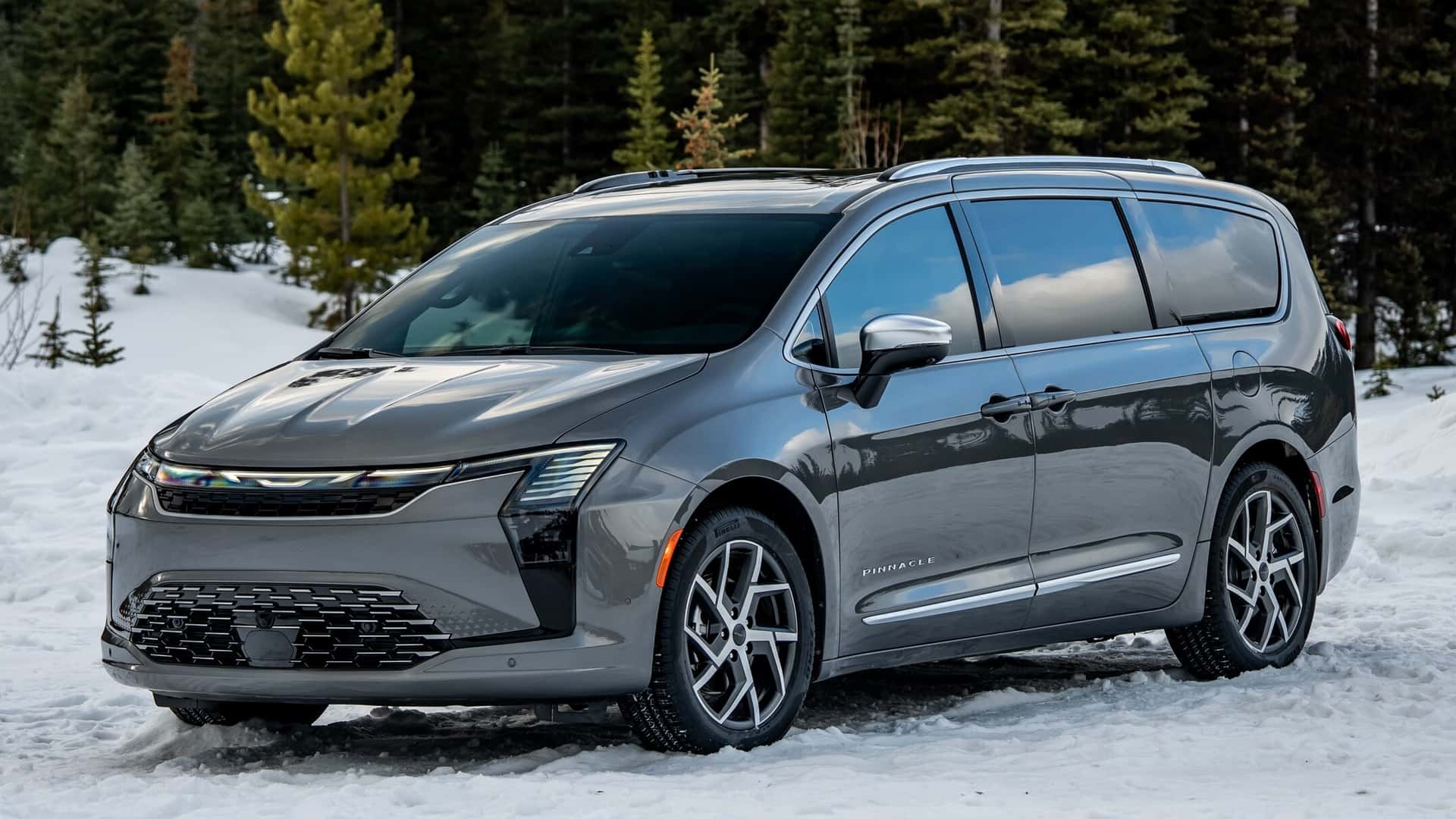
Chrysler has discontinued the Voyager and introduced the Pacifica LX as the new entry-level model, priced from $43,490 (including $1,995 destination), $100 above the 2026 Voyager. The refreshed 2027 Pacifica debuts this summer with exterior updates and trim changes; Select is +$100 vs outgoing, Limited is -$395, Pinnacle is -$1,680, and AWD is an optional $3,345; Stellantis ended the hybrid earlier this year. The move preserves a budget entry while modestly raising base MSRP and consolidates the Pacifica lineup under one nameplate.
This product-line adjustment is effectively a micro ASP and mix optimization that should, all else equal, lift per-unit gross margins more than headline volume metrics. Reducing low-margin SKUs and concentrating sales into slightly higher-trim configurations lowers dealer discount pressure and increases F&I capture per transaction; expect margin signal to show up in quarterly retail mix and incentive tables within 1–2 quarters.
Operationally, fewer unique exterior/trim variants cuts manufacturing complexity and shortens takt-time variability on the assembly line, improving throughput and lowering warranty exposure tied to rushed mid-cycle changes. Suppliers that provide high-content interior materials and electronics will see higher per-vehicle content while commoditized lower-priced components face lower order visibility — this shifts working capital patterns downstream and frees up capacity for other Stellantis programs in the medium term (3–12 months).
Market-level second-order effects include firmer used-vehicle supply and residuals over 6–18 months as fewer deep-discount new units enter the trade-in stream, gradually improving lease economics and residual-driven financing profitability. Near-term risks are demand sputters or a dealer pushback that increases incentives; monitor dealer order banks and incentive stacks weekly and margins/GPM on the next two quarterly prints for reversal cues.
AI-powered research, real-time alerts, and portfolio analytics for institutional investors.
Overall Sentiment
neutral
Sentiment Score
0.10
Ticker Sentiment
