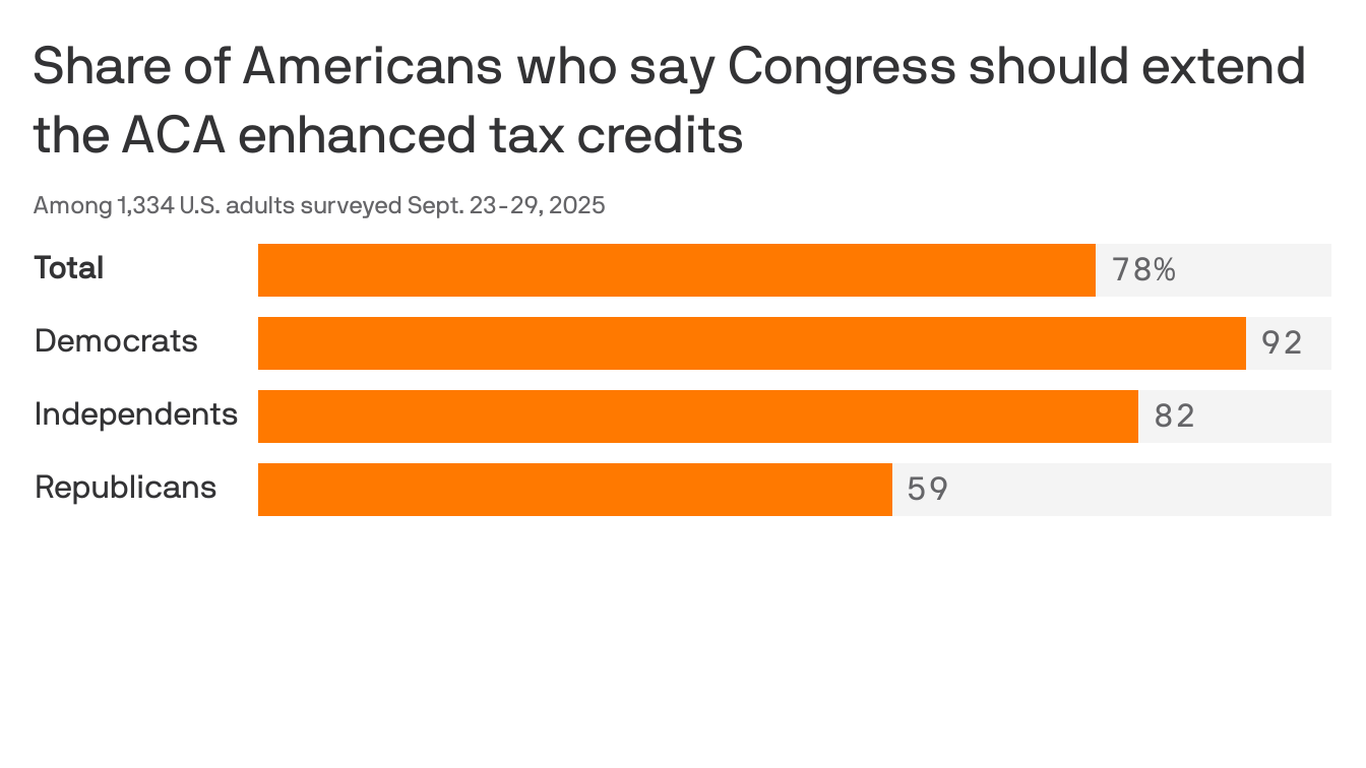
The popularity of Affordable Care Act enhanced tax credits is making them a central point in government funding negotiations, with some Republican senators considering their extension. However, their impending year-end expiration poses a significant risk, as millions of individuals could face more than double their current ACA premiums starting November 1, potentially impacting healthcare affordability and the insurance market if not renewed.
The popularity of Affordable Care Act (ACA) enhanced tax credits has positioned them as a central element in ongoing government funding negotiations, despite limited public support for a shutdown to ensure their extension. Some Republican senators are reportedly exploring options to extend these credits, potentially with modifications, before their scheduled year-end expiration.
The non-renewal of these credits presents a significant financial risk, with health policy research group KFF projecting that millions of individuals could see their ACA premiums more than double starting November 1. This potential surge in healthcare costs during the open enrollment period could severely impact consumer affordability and demand for health insurance. The current moderately negative sentiment and uncertain tone reflect market apprehension regarding the legislative outcome and its broader economic implications.
AI-powered research, real-time alerts, and portfolio analytics for institutional investors.
Request DemoOverall Sentiment
moderately negative
Sentiment Score
-0.50
