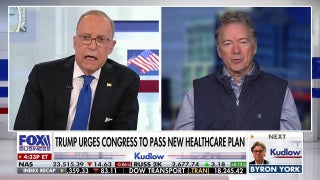
The Trump administration unveiled the "Great Healthcare Plan," proposing to eliminate PBM kickbacks, halt certain insurer subsidy payments and fund a cost-sharing reduction program; the administration claims these steps would save taxpayers roughly $36 billion and cut the most common Obamacare premiums by over 10%. The proposal targets pharmacy benefit managers as middlemen that inflate insurance costs, signaling heightened regulatory and political risk for PBMs and large insurers, though passage requires Congressional action and implementation details remain uncertain.
Market structure: Removing PBM “kickbacks” transfers negotiating economics away from PBMs and towards either insurers, manufacturers or consumers. Immediate losers are PBM-heavy segments of CVS (CVS), UnitedHealth/Optum (UNH) and Cigna (CI) where a 5–15% EBITDA haircut in PBM lines is plausible within 12–24 months if rebates convert to regulated fees; independent pharmacies and select branded drugmakers (e.g., LLY, PFE) could see improved realized prices or simpler contracting. The administration’s $36B/10% premium figures imply material re-pricing of intermediated flows, not disappearance of demand for drugs or insurance.
Risk assessment: Tail risks include swift legislative passage that forces retroactive contract adjustments, major antitrust suits, or judicial stays — low probability but high impact (20–40% equity shock to PBM equities). Near term (days–weeks) headlines will drive volatility; short term (3–6 months) regulatory text and CBO scoring are decisive; long term (12–36 months) firms will redesign commercial models (flat admin fees, vertical restructuring). Hidden dependencies: state-level PBM rules, Medicare Advantage passthroughs, and private-employer contracting can blunt or amplify effects.
Trade implications: Favor hedged short exposure to PBM-integrated insurers and relative-long to drugmakers and pharmacy operators that benefit from higher reimbursements. Use 1–3 month put spreads to limit premium outlay for UNH/CVS exposure and size initial positions small (1–2% portfolio each) while increasing if legislation probability rises above ~30% (per market-implied odds). Rotate 15–25% of managed-care weighting into large-cap pharma over the next 4–12 weeks.
Contrarian angles: Consensus underestimates implementation complexity — courts, insurer contract re-writes and manufacturer concessions mean permanent revenue loss is unlikely to equal initial headlines. Historical precedent (2018–2019 PBM scrutiny) produced 10–30% headline volatility but earnings recovery within 6–12 months; therefore prefer tactical, capped-risk trades over large directional positions and be ready to flip on a 15–25% repricing or legislative defeat.
AI-powered research, real-time alerts, and portfolio analytics for institutional investors.
Request DemoOverall Sentiment
mildly negative
Sentiment Score
-0.25
