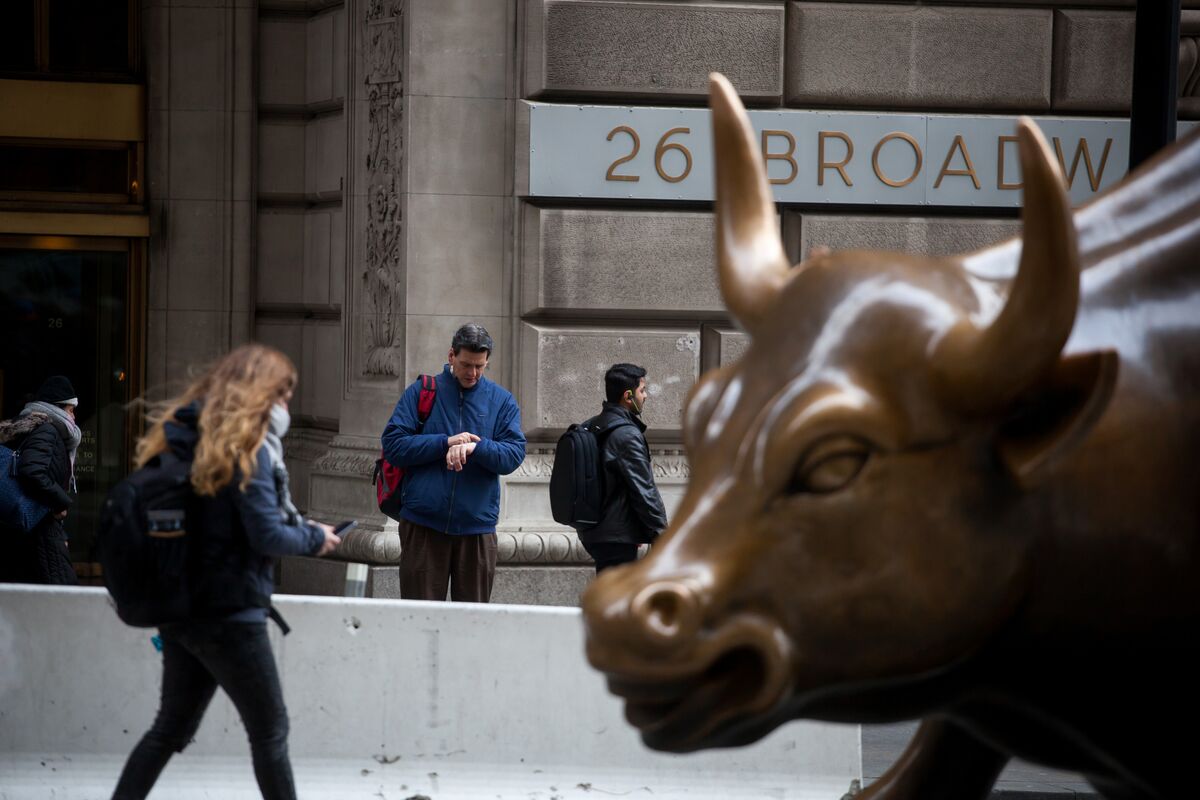
Goldman macro trader Bobby Molavi warns equity markets face a clash between bullish forces — roughly $600 billion of projected capital spending from the Magnificent Seven, AI-driven optimism and potential fiscal measures including income tax cuts and $2,000 stimulus checks — and bearish pressures from stretched valuations and signs of credit stress. With the S&P 500 nearing a third consecutive year of double-digit gains, the setup points to heightened sensitivity to policy signals, tech capex execution and credit-market developments that could sway positioning and market flows.
Market structure: The headline setup is a concentrated twin-track market where $600bn of Magnificent Seven capex (Molavi's estimate) amplifies demand for GPUs, cloud services and data-center capacity — clear winners: NVDA, MSFT, AMZN, GOOGL and SMH constituents. Losers are broad cyclicals and undercapitalized regional banks facing credit stress and margin pressure; expect market-cap concentration to rise further over 3–12 months as pricing power shifts to platform owners. Net supply/demand: tight GPU/semicap supply with multi-quarter lead times supports pricing power and capex visibility through 2025–26, while fiscal stimulus talk raises Treasury issuance and term premium risk.
Risk assessment: Tail risks include a major AI regulatory crackdown (affecting valuations), a banking credit event that widens BBB spreads by >150–200bps, or a Fed surprise hike that removes the liquidity bid. Immediate (days–weeks) volatility will hinge on megacap earnings and Fed-speak; medium-term (3–9 months) depends on fiscal outcomes and capex execution; long-term (1–3 years) on productivity gains from AI and where that capex actually accrues. Hidden dependencies: capex converts to broader hiring only if revenue growth sustains; semiconductor supply-chain geopolitics (China export controls) can flip margins quickly.
Trade implications: Favor concentrated exposure to AI beneficiaries (NVDA, MSFT, AMZN, GOOG) and semis (SMH) while hedging macro/credit risk via index put protection or buying protection on KRE/XLF. Use pair trades: long SMH vs short IWM to express capex-led concentration. Options: size defined-risk call spreads into earnings for NVDA (3-month) and 9–12 month LEAPS on MSFT/GOOG for asymmetric upside; maintain 1–2% notional downside hedges if BBB/IG spreads widen >50bps.
Contrarian angles: Consensus may overstate fiscal stimulus probability — if no checks/tax cuts materialize, risk assets could reprice abruptly; also megacap capex is often internalized (data centers) so GDP spillover may be lower than priced. Current crowding into a few names creates concentration tail risk: a single regulatory or supply shock to NVDA could cause outsized index pain. Consider mean-reversion shorts in structurally weaker small-cap tech if credit spreads normalize and K-shaped performance compresses.
AI-powered research, real-time alerts, and portfolio analytics for institutional investors.
Request DemoOverall Sentiment
mixed
Sentiment Score
0.05
Ticker Sentiment
