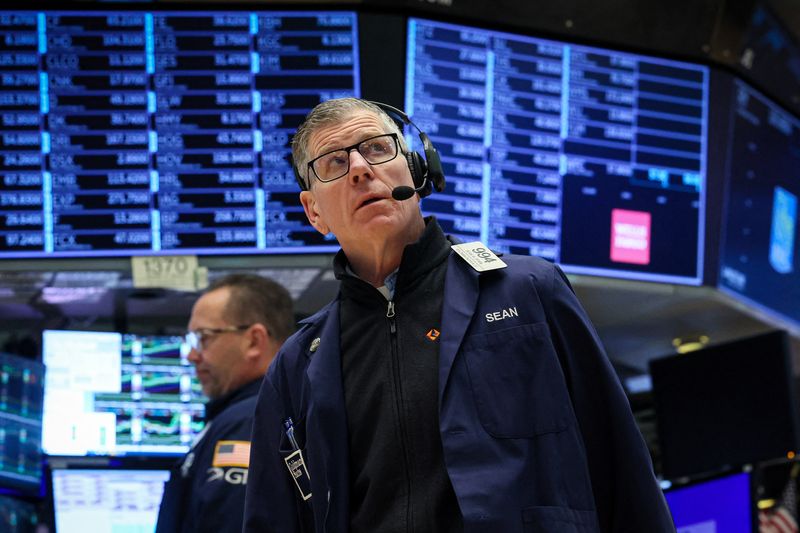
President Trump set an 8:00 p.m. ET Tuesday deadline for Iran to reopen the Strait of Hormuz and threatened strikes, triggering a risk-off move: oil rose >2% in Asian trade while S&P 500 futures fell 0.3 to 6,603.0, Nasdaq 100 futures dropped 0.2 to 24,175.75 and Dow futures slipped 0.4 to 46,535.0. U.S. nonfarm payrolls rose by 178,000 in March and unemployment edged down to 4.3%, signaling labor-market resilience, but markets are pricing in potential prolonged supply disruptions through a key energy chokepoint.
Energy and maritime-service equities are the obvious beneficiaries from a chokepoint-risk repricing, but the more durable winners are balance-sheet-light tanker owners and physical storage operators that capture higher freight and contango carry rather than majors whose upstream cashflow is taxed by higher capex. Rerouting crude via the Cape of Good Hope adds 10–15 days per voyage and several hundred thousand dollars in bunkers per VLCC trip; that dynamic amplifies tanker dayrates and creates a near-term supply-in-transit tightening that can keep backwardation intact for weeks.
Risk bifurcates sharply by horizon. Over days–weeks, headline-driven spikes remain the dominant driver: a single escalation or diplomatic de-escalation can move Brent ±15–30% quickly. Over 3–12 months, persistent higher freight/insurance and any prolonged Gulf disruption will shift refinery economics (regional crack spreads), encourage SPR releases, and accelerate substitution/efficiency measures that cap peak prices. Monitor three real-time reversers: visible reopening of transit lanes, a coordinated SPR release by major consuming nations, and rapid normalization of tanker spot rates.
Equities face asymmetric downside: cyclical sectors with high leverage to input energy (airlines, leisure, retail discretionary) are vulnerable to both margin compression and a risk-off multiple re-rate if higher yields persist due to safe-haven flows. Conversely, select defense primes and commodity-heavy value names offer convexity to either geopolitical escalation or an eventual reversion to mean oil prices once logistical bottlenecks are cleared.
AI-powered research, real-time alerts, and portfolio analytics for institutional investors.
Overall Sentiment
mildly negative
Sentiment Score
-0.30
Ticker Sentiment
