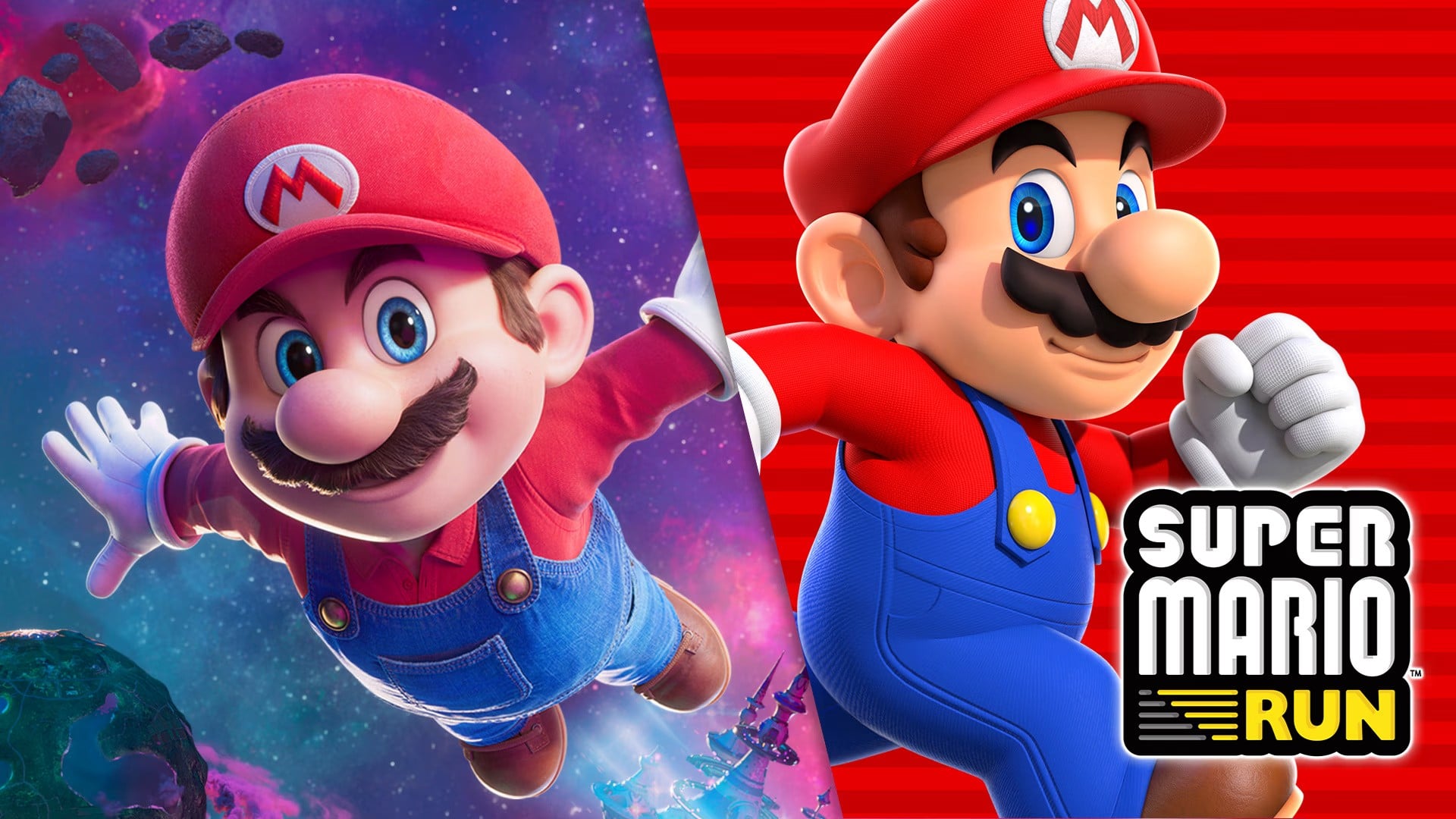
Nintendo launched a Super Mario Run in-game event tied to The Super Mario Galaxy Movie running until 29 May 2026; mission tiers reward statues and items (three mission sets with 3/6/9 mission thresholds, rewards include Mario/Luigi/Yoshi/Peach/Toad/Bowser statues, Coins x500, Rally Tickets x15). A limited-time sale on Super Mario Run runs through 28 May 2026, offering the game's modes at a reduced price. This is a product/marketing promotion and crossover tie-in with minimal expected impact on Nintendo's financials or stock performance.
Cross-media activations create predictable, concentrated windows to monetize an existing audience; the key economic mechanism is front-loading lifetime value through time-limited incentives and price promotions, which typically convert a small share of the engaged base into outsized near-term revenue. For a large IP owner, this yields a lumpy revenue profile: low marginal cost of digital content with high gross margin, but limited duration — think a 2–6 week cashflow bump rather than a permanent ARPU shift.
Second-order winners are not only the IP owner but the ecosystems that capture payment and discovery economics: platform fees (stores/payments), media partners (streaming/retail licensing), and user-acquisition suppliers who see short-term CPM and conversion improvements. Conversely, pure-play mobile studios that lack owned IP may face elevated UA costs and promotional noise, compressing their ROI on ad spend for the quarter.
Tail risks are binary: a weaker-than-expected cross-promo conversion or negative PR could invert the short-term uplift, and macro pressure on discretionary digital spend can erase gains within 2–3 quarters. Monitor three near-term readouts — DAU/retention lift, IAP conversion rate, and promotional take-rate on store receipts — as triggers that will validate or reverse the trade thesis.
From a strategic viewpoint, this is a classic asymmetric setup: small, well-timed option exposure to the IP owner captures upside if the event fuels sustained engagement and ancillary revenue (licensing, merch), while a short-duration negative bet on mobile UA platforms profits if elevated promotional activity drives CPM spikes and margin squeeze. Time the entry into the 1–8 week window around observable engagement inflection points rather than calendar dates to avoid paying for already-realized upside.
AI-powered research, real-time alerts, and portfolio analytics for institutional investors.
Request DemoOverall Sentiment
neutral
Sentiment Score
0.00
