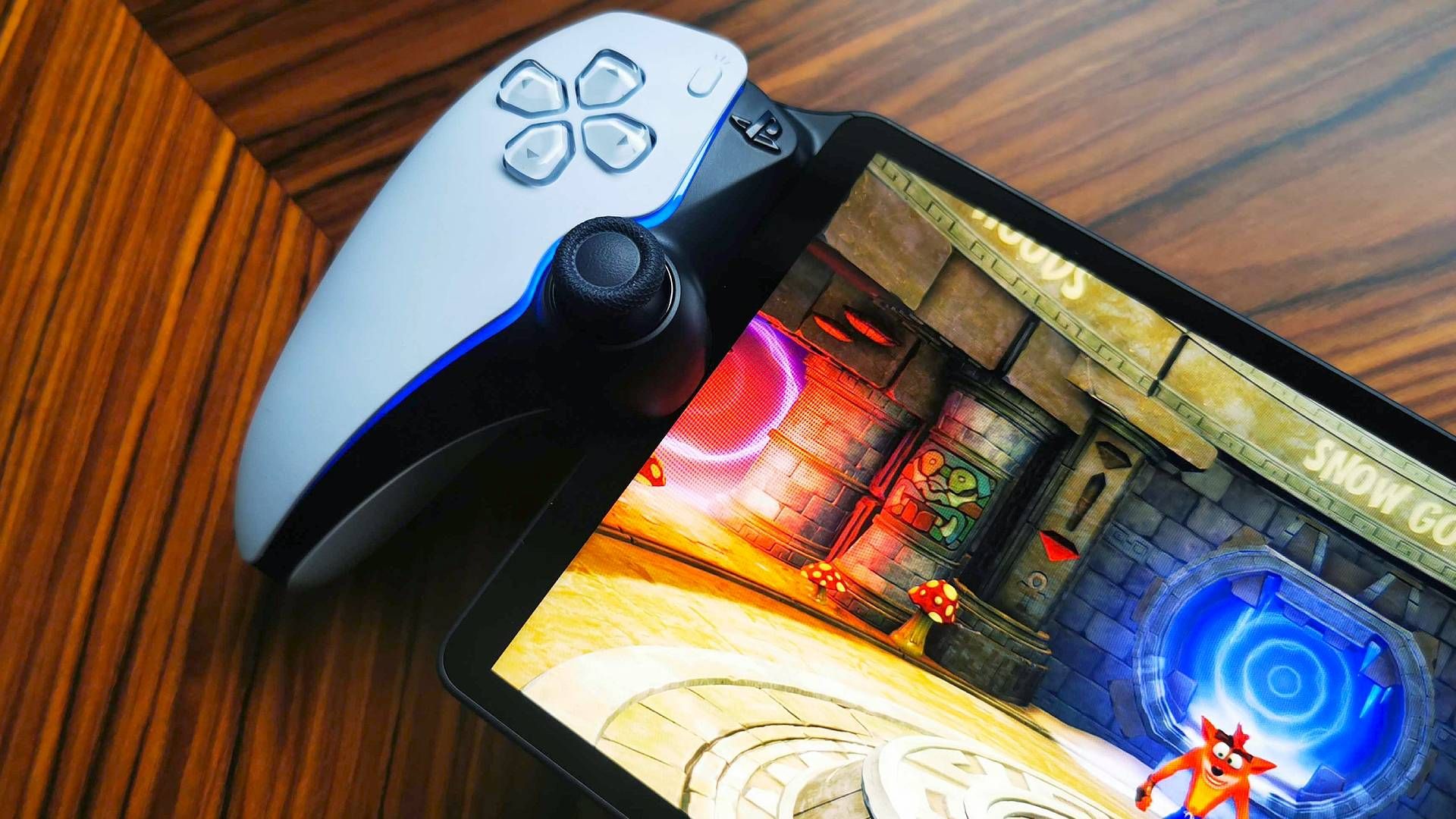
Rumors claim a next‑gen PlayStation handheld (PS6 portable) could outperform the Xbox Series S in raster and be 'massively ahead' in path tracing, with Sony favoring AI upscaling (FSR5/PSSR3) that the leaker says will exceed current DLSS implementations. Valve's Steam Deck 2 is reported to be targeting a ~2028 launch but faces potential delays from RAM/NAND shortages driven by AI datacenter demand; delays could allow Valve to improve specs and influence MSRPs across the handheld market. Implication: component supply pressure may shift launch timing and pricing dynamics in the gaming hardware sector rather than creating immediate market-moving events.
AMD is the clear asymmetric beneficiary in this vector: owning the APU/IP stack for portable consoles and the FSR/PSSR roadmap lets it capture device OEM wallet share plus recurring licensing/SDK stickiness. Expect a two-tier revenue dynamic over 12–36 months where console/handheld SoC ASPs and SDK licensing lift gross margins while memory/NAND inflation compresses hardware OEM volumes.
Supply-side scarcity (LPDDR, NAND, and select SoC wafers) is the primary pacing item for device rollouts and will determine who launches on time versus who uses delays to iterate specs. Valve’s ability to source standard SoCs gives it optionality to chase performance parity if shortages force Sony/MSFT into semi-custom long-lead contracts — that optionality is a strategic advantage that can compress price points across the category by 2028.
Downside scenarios center on two tail risks: (1) sustained memory price inflation that pushes handheld MSRP above consumer elasticities, reducing TAM growth, and (2) an IQ mismatch between marketing claims for next-gen neural upscalers and real-world perceived image quality, which would blunt willingness to pay. Near-term catalysts to watch are official hardware announcements, OEM supply allocations for LPDDR/NAND, and first-party SDK adoption metrics; these will move relative valuations in 3–12 month windows.
The consensus underprices the monetization runway from SDK/upscaler licensing and overprices the risk that datacenter AI demand uniformly benefits GPU incumbents; the real squeeze is on memory and semi-custom SoC supply chains, which disproportionately advantages flexible silicon partners and licensing-heavy vendors over vertically-locked console incumbents.
AI-powered research, real-time alerts, and portfolio analytics for institutional investors.
Request DemoOverall Sentiment
mixed
Sentiment Score
0.05
Ticker Sentiment
