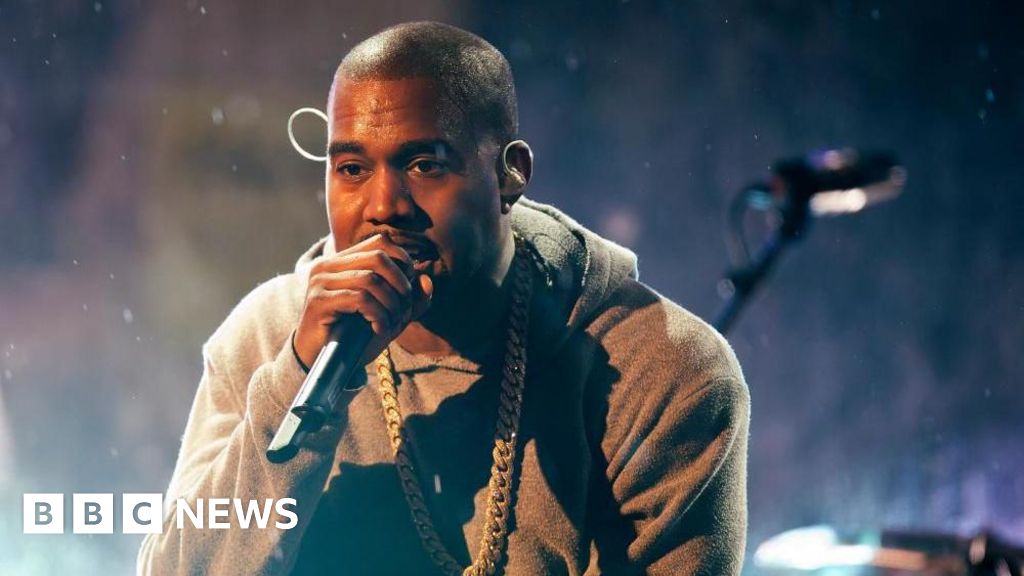
Wireless Festival has been cancelled after the UK Home Office refused entry to headliner Kanye West (Ye); organisers will issue refunds to all ticket holders. The cancellation creates an immediate revenue hit and reputational risk for Festival Republic and related local hospitality/ticketing partners, but the effect is company- and sector-specific rather than market-wide. Government intervention and strong political condemnation raise near-term regulatory and political risk around high-profile bookings, warranting reassessment of event schedules and earnings sensitivity for live-entertainment exposure.
Regulatory intervention in artist access to key markets has become a de facto non-market lever promoters must now price into contracts; expect UK and EU festival organizers to demand larger indemnities, escrowed ticket revenue and explicit conduct clauses within 30–90 days. That raises working capital needs and pushes show economics toward fewer headline-dependent lineups — a realistic 5–12% margin headwind for headline-driven festivals over the next 12 months as insurance and legal buffers are layered in.
Payments and secondary-ticket ecosystems face a short-duration liquidity shock around refund processing: concentrated presale flows create 1–3 week negative float and a spike in disputes/chargebacks. For large payment processors this is not a structural revenue hit, but it is a volatility event for merchant risk models — expect temporary tightening of merchant onboarding and higher reserve requirements that could shave 20–50bps off merchant free cash flow in affected weeks.
Winners: underwriting and reputational-risk advisory firms (insurance brokers, PR/communications specialists, vetting platforms) who can capture elevated fees as festival operators externalize risk. Losers: promoter balance sheets (higher short-term cash burn), secondary marketplaces reliant on marquee acts, and local hospitality operators facing concentrated lost weekend revenues. Public promoter exposure is regionally concentrated, so contagion to global live-entertainment is plausible but capped.
Contrarian: the knee-jerk market view that live demand collapses is overstated. Consumers substitute rather than exit — festivals will re-lineup or consolidate headliners, re-capturing much lost spend within 3–9 months. That suggests tactical windows for mean-reversion trades rather than multi-year structural shorts.
AI-powered research, real-time alerts, and portfolio analytics for institutional investors.
Request DemoOverall Sentiment
mildly negative
Sentiment Score
-0.25
Ticker Sentiment
