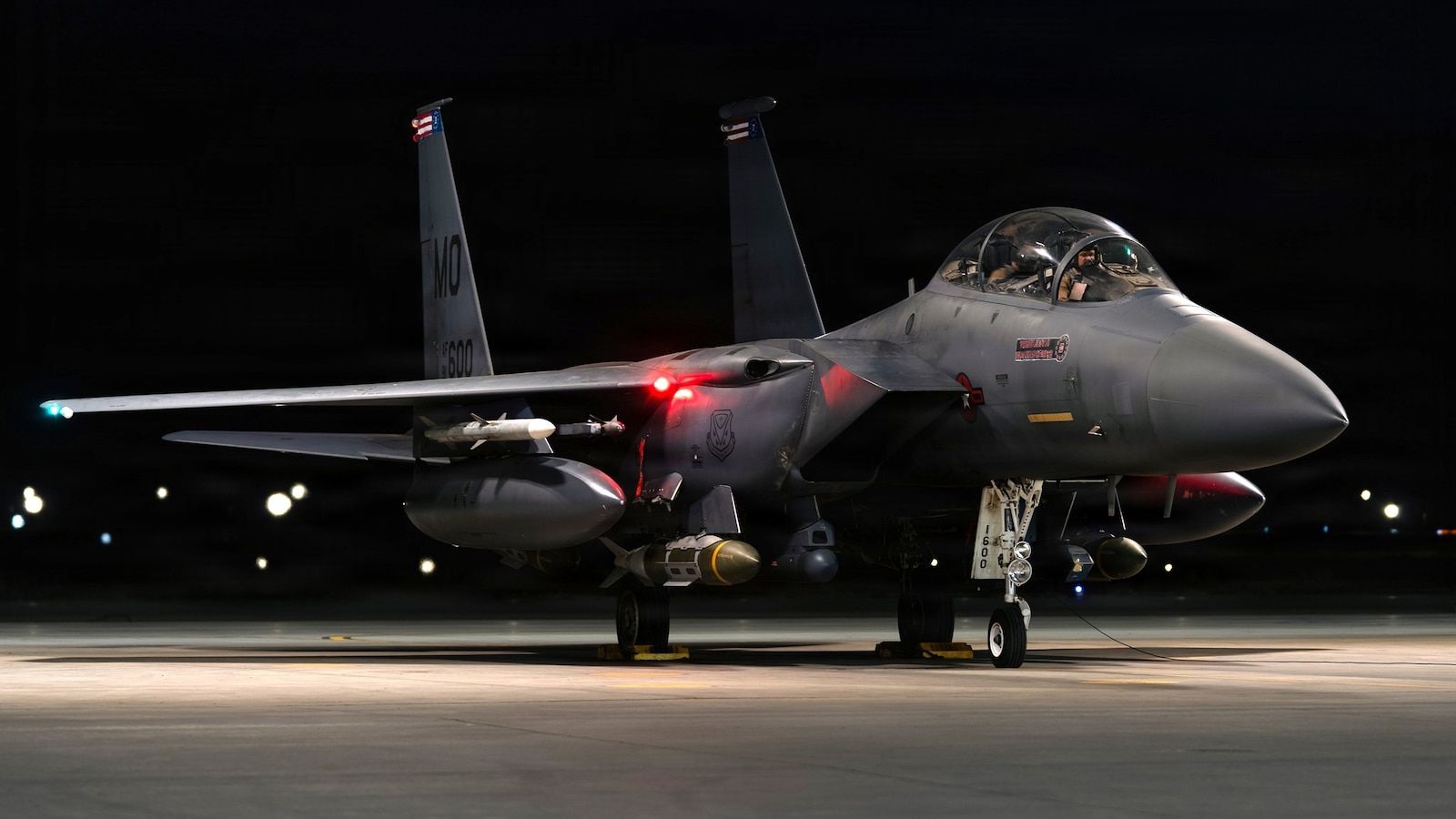
U.S. Central Command announced a third round of retaliatory strikes in northwest Syria that killed an alleged Al-Qaeda-affiliated leader, Bilal Hasan al-Jasim, whom officials say was directly connected to an ISIS gunman responsible for a Dec. 13 ambush in Palmyra that killed two U.S. service members and an American civilian interpreter. The strikes are part of an operation called Hawkeye Strike that CENTCOM says, with partners, has targeted more than 100 ISIS infrastructure and weapons sites; CENTCOM commander Adm. Brad Cooper framed the action as demonstrating U.S. resolve. Two of the U.S. service members killed were identified as Iowa National Guard Sgt. Edgar Brian Torres Tovar and Sgt. William Nathaniel Howard.
Market structure: The immediate winners are large defense primes (Lockheed Martin LMT, Raytheon/RTX, Northrop NOC, General Dynamics GD) and specialist security services; expect a 1–4% upside shock in 3–10 trading days as risk premium is repriced into contracts and IR&D budgets. Losers are cyclicals sensitive to travel and trade frictions (airlines—AAL/DAL/UAL) and EM credits; safe‑haven demand should push USTs up and yields down ~10–25 bps and lift USD/JPY and CHF in the near term.
Risk assessment: Tail risks include limited escalation into chokepoints (affecting Brent +5–10% if shipping is threatened) or broader regional retaliation drawing in Iran—low probability (<15%) but high impact. Near term (days–weeks) volatility is the dominant risk; medium term (1–6 months) depends on casualty news and political response cycles; hidden dependency is domestic US political reaction that can drive sustained defense spending or rollback.
Trade implications: Direct plays: establish 1–2% long allocations in LMT and RTX, financed by 0.5–1% shorts in AAL or DAL; buy 3‑month LMT/RTX call spreads (1–2% OTM) to cap cost. Commodity/FX: enter a tactical 1–2% long in XLE or BNO if Brent > $80 and implied vol on crude rises >30%; hedge broad equity exposure with 2–3% allocation to GLD calls (3‑6 month). Exit/triggers: trim defense longs after +8–12% move or 30 days; cut if oil fails to breach +3% within 10 trading days.
Contrarian angles: Consensus overweights defense but may be overdone—past precision strikes (2017–2020) produced 2–6% defense spikes that mean‑reverted within a month absent follow‑on events. If no escalation occurs within 2–3 weeks, defensive longs should be hedged or converted to short-dated credit protection; unintended consequence is higher valuations compressing forward returns, so prefer option-defined exposure rather than outright levered longs.
AI-powered research, real-time alerts, and portfolio analytics for institutional investors.
Request DemoOverall Sentiment
moderately negative
Sentiment Score
-0.35
