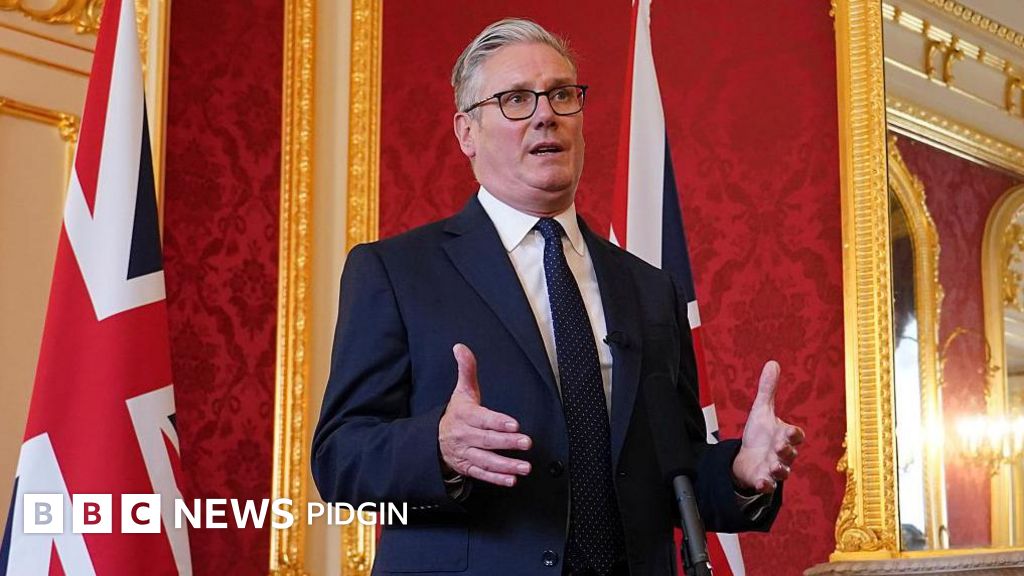
UK Prime Minister Sir Keir Starmer is expected to announce the UK's recognition of a Palestinian state, marking a significant shift in the nation's foreign policy. This move, which has drawn strong criticism from the Israeli government and some UK Conservatives, is justified by ministers as a moral imperative to preserve peace prospects amid deteriorating conditions in Gaza, failed ceasefire efforts, and continued Israeli settlement expansion. The decision deviates from previous UK policy that tied recognition to a completed peace process, indicating increased international diplomatic pressure concerning the Israeli-Palestinian conflict.
The United Kingdom's government, led by Prime Minister Keir Starmer, is poised to formally recognize a Palestinian state, representing a significant departure from its long-standing foreign policy. This move abandons the previous UK position that recognition should follow a negotiated peace settlement, instead using it as a tool to preserve the possibility of a two-state solution. The decision is contextualized by the government as a 'moral responsibility' driven by several factors: the failure of ceasefire negotiations, the deteriorating humanitarian situation in Gaza described as 'intolerable' with a reported death toll exceeding 65,208, and the continued expansion of Israeli settlements in the West Bank, which are illegal under international law. This policy shift has drawn sharp criticism from the Israeli government, with Prime Minister Benjamin Netanyahu labeling it a 'reward for terror,' signaling a period of heightened diplomatic tension between the two nations. The action aligns the UK with a growing number of European countries adopting a similar stance, which could amplify international political and legal pressure on Israel, especially following a UN commission's recent findings.
AI-powered research, real-time alerts, and portfolio analytics for institutional investors.
Overall Sentiment
moderately negative
Sentiment Score
-0.35
