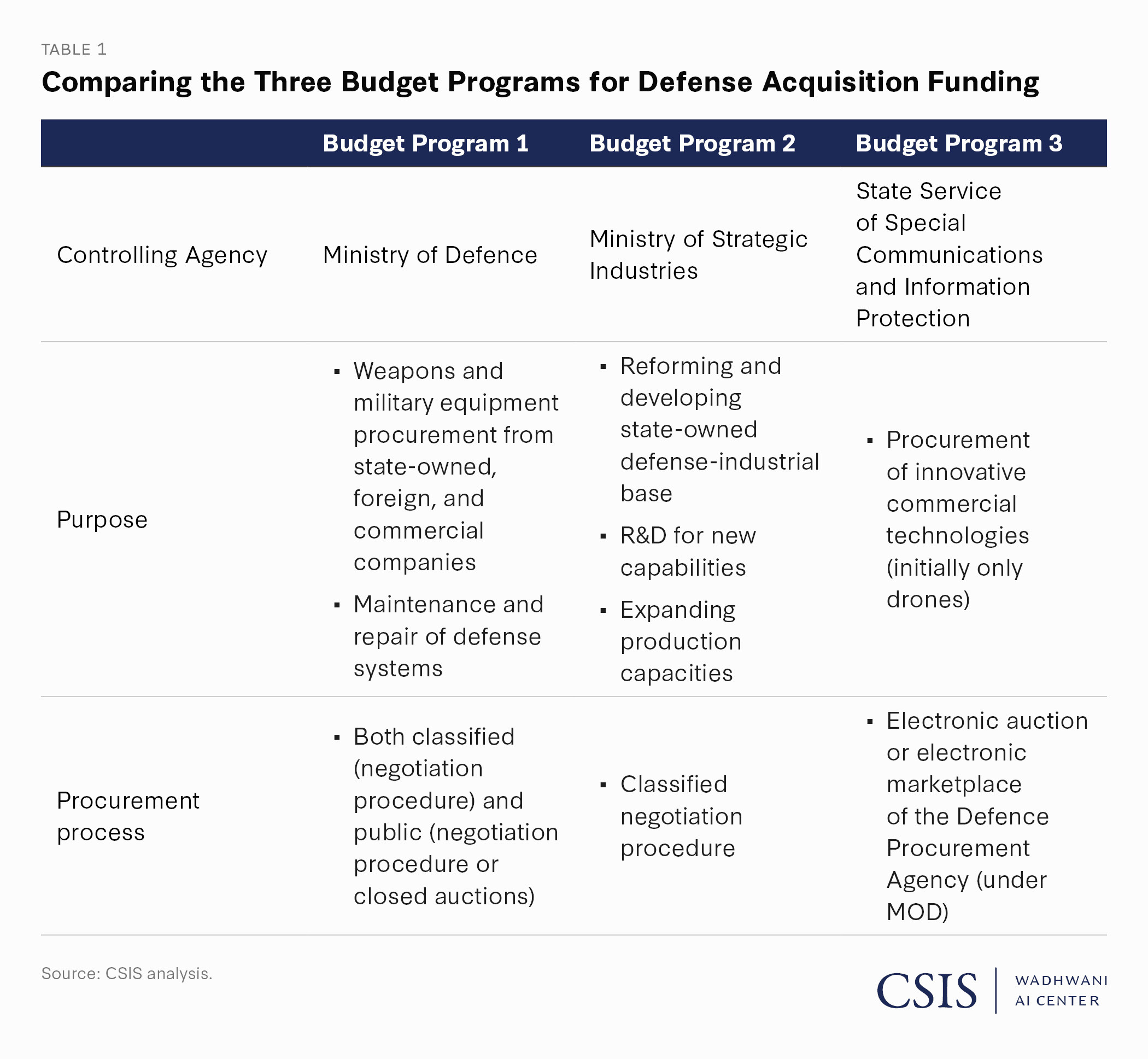
Ukraine has fundamentally transformed its defense acquisition, particularly for unmanned systems, by adopting a 'commercial-first' approach, creating parallel budget streams, decentralizing procurement, and outsourcing early R&D to the private sector. This agile model, which shortened acquisition cycles from years to months and now sees commercial technology account for nearly half of defense procurement, offers critical lessons for the U.S. Department of Defense. The report recommends the U.S. implement similar reforms, including dedicated flexible budgets, separate acquisition pathways for commercial technologies like drones and AI, and unified digital platforms, to leverage its commercial sector's innovation and maintain technological superiority in future warfare.
Ukraine has executed a radical transformation of its defense procurement model in response to wartime pressures, creating a blueprint for leveraging commercial innovation that holds significant implications for the U.S. defense industry. The core of this shift is a dual-track acquisition system that isolates traditional, hardware-intensive programs from a new, agile 'commercial-first' pathway dedicated primarily to unmanned systems, AI, and software. This new track is defined by three key changes: first, the creation of a parallel budget, now accounting for nearly one-third of all weapons spending (approx. 165 billion UAH), which operates under simplified rules and is managed by alternative agencies to bypass legacy bureaucracy. Second, Ukraine has inverted the traditional development lifecycle by outsourcing early-stage R&D to the private sector, with the military only engaging with mature prototypes at high technology readiness levels (TRL 6-7). This, combined with decentralizing procurement authority to nearly 700 military units, has collapsed acquisition timelines from over a decade to as little as six months. Third, the ecosystem is enabled by digital platforms like Brave1 and DOT-Chain, which facilitate real-time communication between frontline end-users and commercial developers, replacing rigid requirements with problem-based challenges. This model has proven that a significant portion of defense needs, estimated to be nearly half of Ukraine's acquisition spending when including non-central funds, can be met more effectively and rapidly by the commercial sector, a stark contrast to the U.S. DOD's slow, siloed, and often inefficient Adaptive Acquisition Framework (AAF).
AI-powered research, real-time alerts, and portfolio analytics for institutional investors.
Request DemoOverall Sentiment
strongly positive
Sentiment Score
0.75
Ticker Sentiment
