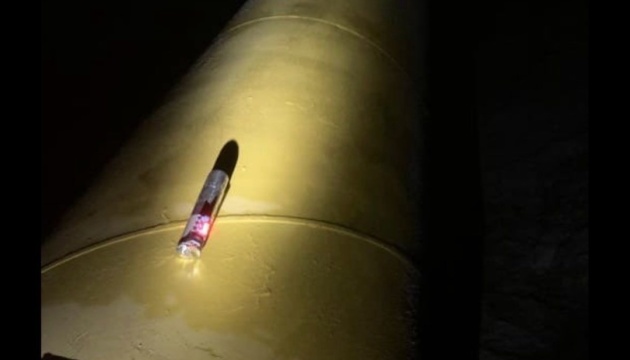
Ukraine's Defense Intelligence reports a suspected sabotage (described as a mysterious ground subsidence) on the Central Asia–Center gas pipeline near Romanovka, Olkhovsky district, prompting emergency response and an indefinite suspension of flows. The pipeline historically conveyed up to about 12 billion cubic meters per year from Turkmenistan, Uzbekistan and Kazakhstan and has been used since 2022 for reverse flows and to supply Russian domestic shortages; disruption raises regional supply and logistics risk and could add short-term volatility to regional gas markets and Russian energy security. Ukrainian sources tie the incident to retaliatory actions against facilities that finance the war, and noted concurrent drone strikes on other Russian industrial targets.
Market structure: The immediate winners are LNG exporters and spot-gas arbitrageurs (Cheniere LNG, Equinor) as a Central Asia–Center outage removes up to ~12 bcm/yr (~1 bcm/month) of pipeline capacity, tightening short-term European/Regional supply and lifting spot TTF/Asian LNG bids by an estimated 10–30% if the suspension lasts weeks. Direct losers are Russian pipeline operators and domestically exposed utilities that relied on reverse flows (Gazprom/GAZP.ME, domestic midstream contractors) as pricing power shifts toward flexible LNG sellers and freight providers.
Risk assessment: Tail risks include escalation (further sabotage/retaliation) creating multi-month outages, insurance non-renewals, and targeted sanctions that could freeze Russian midstream assets — a binary outcome with >50% downside to Russian-listed names if realized. Time horizons: immediate (days) = volatility in gas/FX; short-term (weeks–3 months) = LNG cargo re-routing, freight rate spikes, margin pressure on EU utilities; long-term (6–24 months) = capex reallocation into LNG regas, shipping, and resilience capex that alters supply curves.
Trade implications: Expect elevated realized and implied gas vol; tradeable plays include short-dated long gas exposure (NG/TTF front-month), long US/Atlantic LNG equities (LNG, EQNR) and short Russia-exposed names (OGZPY/GAZP.ME) with tight stops. Options strategies: 1–3 month call spreads on NG/TTF or 1-month straddles around winter-supply news; pair trades can isolate exposure (long exporters vs short EU utilities with >50% gas burn).
Contrarian angles: Consensus may overprice permanent supply loss; historical parallels (Nord Stream 2022) show 3–6 month reversion once rerouting/LNG solves acute shortages. Mispricings to watch: lagging capex beneficiaries (LNG shipbuilders, regas terminal operators like GLNG/GLNG-adjacent) and insurance/defense contractors that may get higher recurring revenue; downside is binary political risk — size positions small and use options to cap tail loss.
AI-powered research, real-time alerts, and portfolio analytics for institutional investors.
Request DemoOverall Sentiment
moderately negative
Sentiment Score
-0.45
