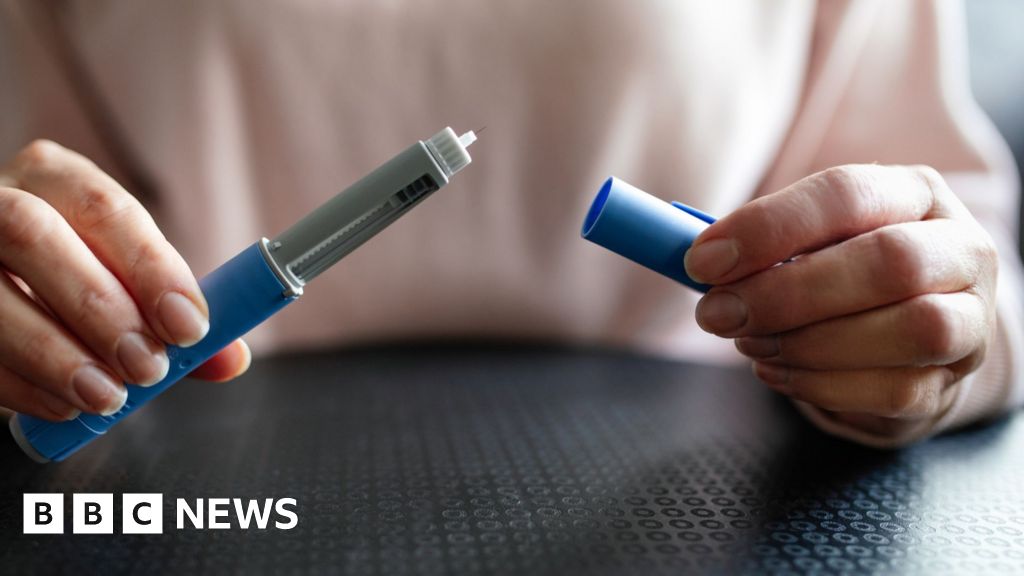
The WHO warns that fewer than 1 in 10 people who could benefit from GLP-1 obesity injections can access them, estimating current production could cover only ~100 million people versus over one billion obese worldwide and a projected two billion by 2030. The agency added GLP-1 drugs to its essential medicines list, urged voluntary licensing to expand manufacturing, and highlighted cost, production capacity and supply-chain constraints; semaglutide patents are set to expire in several countries in 2026, opening the door to lower-cost competitors and potential pricing pressure for incumbent makers such as Novo Nordisk.
Market structure: WHO guidance and a projected supply that covers ~100m people versus >1bn in need (<10%) creates a two-speed market: originators (Novo Nordisk - NVO) keep near-term pricing power while generics and API/CMO suppliers are positioned to win once patents/licensing open (patent expiry in key markets ~2026). Expect pricing compression of 30–70% in markets where generics enter within 12–36 months, but volume could expand 2x–3x over 3–5 years as access and reimbursement improve. Clinics, PBMs and specialty distributors capture service revenue; private-pay concierge providers may be short-lived as public access expands.
Risk assessment: Tail risks include safety/regulatory shocks (post-marketing adverse signals) that could remove chronic-use labeling and cut addressable market by 30–50% within months, and supply-chain bottlenecks (peptide API, fill-finish) that can keep prices elevated for 12–24 months. Immediate (days/weeks) impact is volatility around news; short-term (3–12 months) depends on manufacturing scale-up and voluntary licensing announcements; long-term (2026–2028) is patent-driven margin erosion for originators. Hidden dependency: concentrated CMO/API suppliers create single-point-of-failure risk that can sustain scarcity premia.
Trade implications: Direct actionable trades are to hedge NVO downside via 9–18 month put spreads (target 15–30% downside by 2026) while establishing 1–3% long positions in generics/API plays (TEVA, CIPLA, SUNP/VTRS) sized to capture post-2026 share gains; consider a pair trade long CIPLA (or TEVA) vs short NVO to isolate commoditization risk. Use 12-month call spreads on TEVA/SUNP to limit premium, and stagger entries over 3 months; set stop-losses at 20% adverse move and reassess after any voluntary-licensing or FDA label news within 90–180 days. Rotate 1–2% from large-cap innovator exposure (XLV overweight to generics sub-weights) over the next quarter.
Contrarian angles: Consensus underestimates NVO’s ability to defend pricing in the US via payor contracts, bundled services and chronic-revenue stickiness—originator could retain 20–40% premium in insured markets beyond 2026, keeping earnings more resilient than simple patent-loss models predict. Historical parallels (statins, HIV) show rapid generic price erosion but bigger total addressable markets and rich API/supply-chain winners; voluntary licensing could accelerate adoption and paradoxically expand the long-term market for all players. Watch for thresholds: if NVO reports sustained gross margins >60% into FY26 or signs global voluntary licenses in next 6 months, cut short exposure and rotate into service/API names.
AI-powered research, real-time alerts, and portfolio analytics for institutional investors.
Request DemoOverall Sentiment
mildly negative
Sentiment Score
-0.25
Ticker Sentiment
