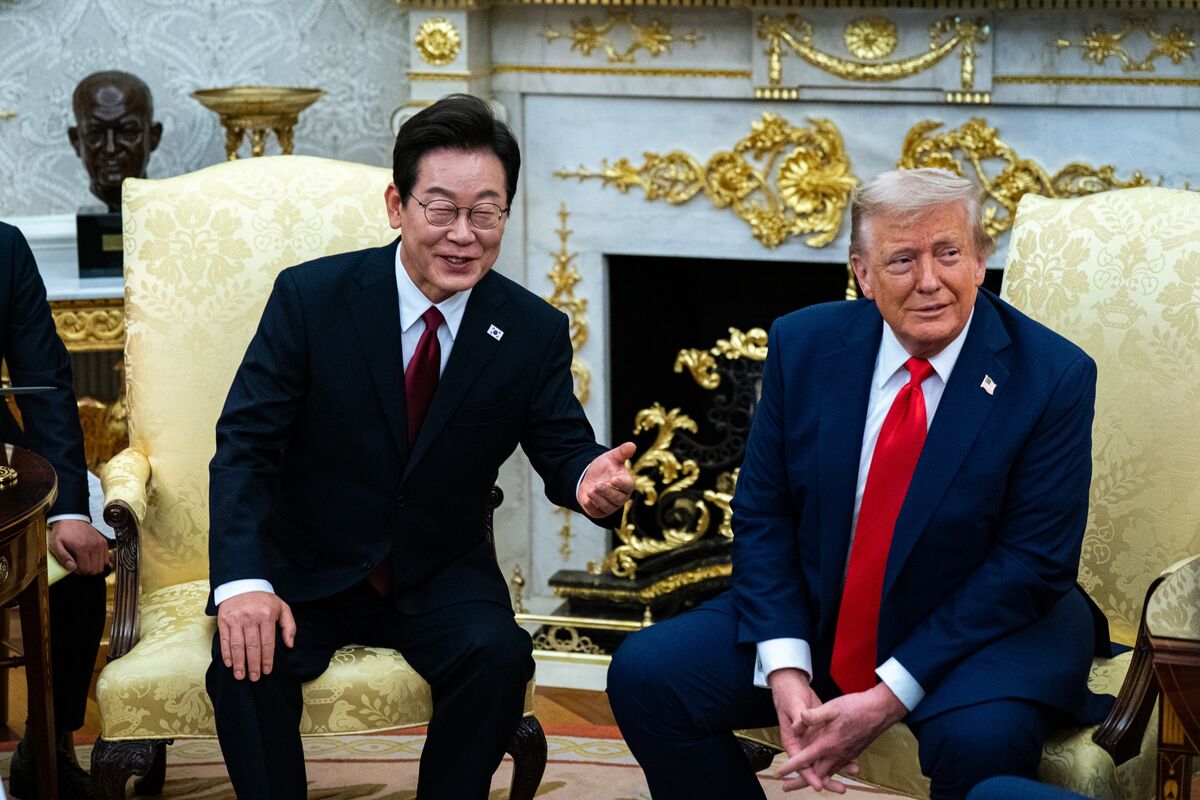
U.S. President Donald Trump posted on social media questioning South Korea's internal stability and threatening bilateral business relations just hours before a scheduled White House summit with South Korean President Lee Jae Myung. This unexpected intervention created immediate diplomatic tension, highlighting the potential for abrupt shifts in U.S. foreign policy communication to impact geopolitical stability and investor confidence in key alliances.
A social media post by the U.S. President has injected significant geopolitical uncertainty into the U.S.-South Korea relationship, directly impacting the risk calculus for investors. The post, which questioned South Korea's internal stability with terms like "Purge or Revolution" and explicitly threatened the continuation of business relations, was made just hours before a scheduled presidential summit. This event underscores a heightened risk of abrupt U.S. policy shifts communicated through unconventional channels, moving beyond traditional diplomatic discourse. The moderately negative sentiment signal (-0.5) and uncertain tone reflect the market's immediate concern. For assets tied to the South Korean economy, the primary risk themes have now pivoted to geopolitics and trade policy, as the stability of this key economic partnership appears less predictable.
AI-powered research, real-time alerts, and portfolio analytics for institutional investors.
Request DemoOverall Sentiment
moderately negative
Sentiment Score
-0.50
