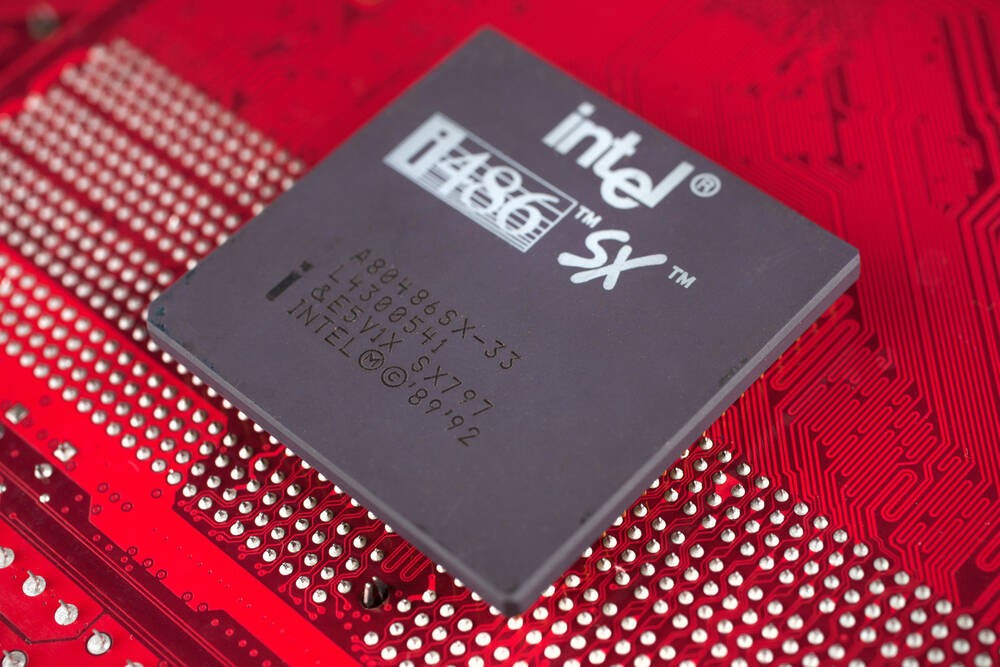
A patch has been queued to remove 80486 (i486) support from the Linux kernel for inclusion in Linux 7.1, which deletes the M486, M486SX and MELAN Kconfig options and prevents new upstream kernels being configured for 486-class CPUs. The proposal, driven by Ingo Molnar after a year of discussion since April 2025, aims to eliminate legacy compatibility code (e.g., for TSC/CMPXCHG8B absence) to save developer time; maintainers say no recent kernel packages support 486 hardware so actual users should not be impacted. This is a codebase maintenance decision with negligible market or enterprise infrastructure impact.
Pruning legacy architecture support from the mainline kernel is a structural efficiency play for the open-source ecosystem: it shrinks the CI/test matrix and reduces the cost of backporting obscure emulation layers. Rough modelling: eliminating a legacy target that accounts for ~5-10% of nightly build/test permutations can free the equivalent of several FTEs worth of reviewer/CI cycles per major kernel release, shifting effort into security and performance work with measurable 6–18 month payoff on developer velocity.
Commercially, the most visible consequence is a modest refresh cycle in industrial & embedded endpoints where vendors previously relied on patched kernels rather than hardware upgrades. This creates a small addressable uplift for suppliers of modern low-power x86 and ARM silicon and for system integrators that sell migration services; expect demand concentration in the 12–36 month procurement window as enterprise lifecycles catch up. Conversely, vendors that monetize long-term maintenance of frozen kernels gain pricing power — a recurring-revenue arbitrage opportunity for firms with managed-support offerings.
The governance signal matters: maintainers are now more willing to prune old ABI/arch surface area, raising the bar for product teams that delay platform upgrades. Tail risks include enterprise pushback and forks/LTS offers from distros; those could delay any hardware-refresh impulse for 6–24 months or force vendors to internalize maintenance costs. Monitoring windows: community reaction and enterprise distro positioning over the next 3–9 months are the best early indicators of commercial impact.
AI-powered research, real-time alerts, and portfolio analytics for institutional investors.
Request DemoOverall Sentiment
neutral
Sentiment Score
0.00
Ticker Sentiment
