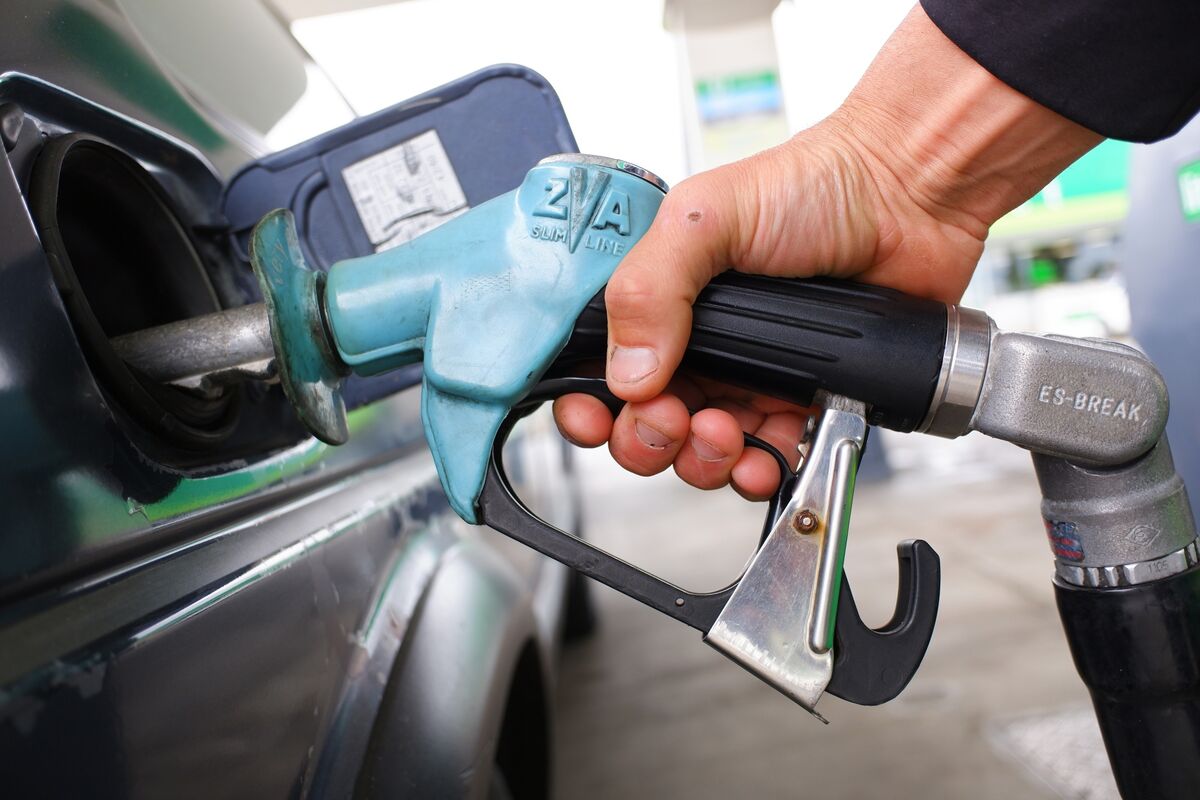
New Zealand has announced a significant reform of its road funding, moving to abolish the long-standing petrol tax and replace it with direct road user charges for all light vehicles. Transport Minister Chris Bishop indicated legislation will be introduced in 2026, targeting a new system readiness by 2027. This marks a radical shift in infrastructure financing, potentially impacting vehicle ownership costs and the broader automotive sector as the nation transitions from fuel-based taxation to direct usage fees.
New Zealand is initiating a significant fiscal policy reform by replacing its century-old petrol tax with a direct road user charge system for all light vehicles. This move represents a structural shift in funding for road infrastructure, moving from a consumption-based tax at the pump to a usage-based model. The government's timeline, with legislation planned for 2026 and system readiness targeted for 2027, suggests a deliberate transition, although the lack of a firm implementation date introduces an element of policy uncertainty. This reform is a direct response to the eroding tax base caused by the increasing adoption of fuel-efficient and electric vehicles (EVs), which currently contribute little to road funding via fuel taxes. By applying charges based on distance traveled, the new system aims to create a more equitable and sustainable revenue stream, ensuring that all road users, including EV drivers, contribute to maintenance and development costs. The change will fundamentally alter the cost dynamics of vehicle ownership and could influence consumer behavior in the automotive market.
AI-powered research, real-time alerts, and portfolio analytics for institutional investors.
Request DemoOverall Sentiment
neutral
Sentiment Score
0.00
