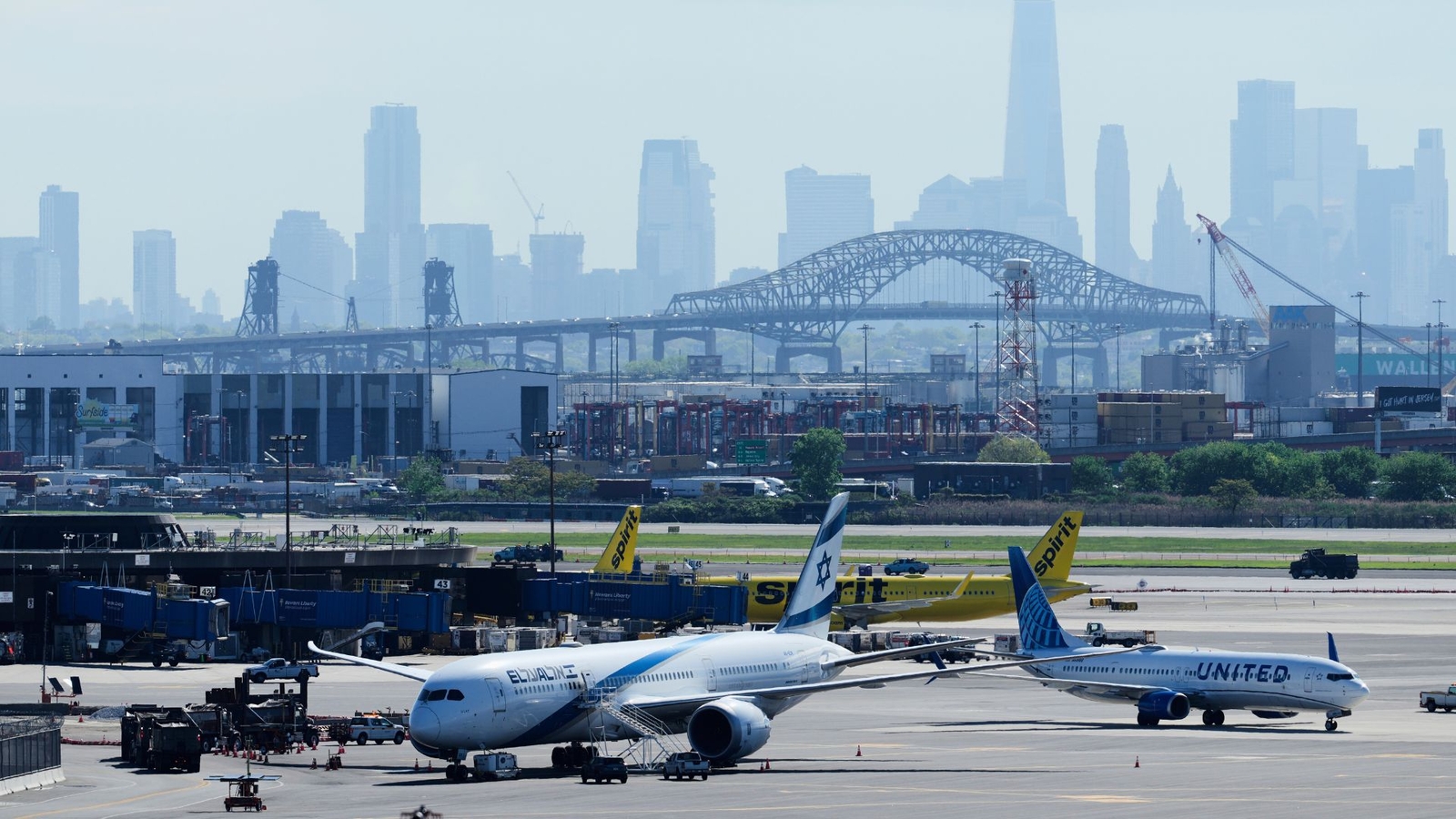
Newark Liberty International Airport is currently under a ground delay program due to air traffic control staffing shortages, significantly limiting arrivals to 20 planes per hour and causing average flight delays of two hours, with some exceeding three. The Federal Aviation Administration notes indicate a potential for a full ground stop if staffing issues or demand worsen, leading to inbound flights being held at their origin and outbound flights delayed due to occupied gates. This operational disruption is expected to create ripple effects across other major New York City area airports, including JFK and LaGuardia, impacting broader travel logistics and airline schedules.
Newark Liberty International Airport (EWR) is currently under a ground delay program, severely limiting arrivals to 20 planes per hour due to air traffic control staffing shortages. This operational constraint is causing significant average flight delays of two hours, with some flights experiencing over three-hour delays, directly impacting airline schedules and passenger flow. The Federal Aviation Administration (FAA) has noted the potential for a full ground stop if staffing issues or demand worsen, indicating a high level of operational risk.
This localized disruption at EWR is creating a cascading effect, with inbound flights held at their origin airports and outbound flights delayed due to occupied gates. Officials anticipate these delays will spread to other major New York City area airports, including John F. Kennedy International Airport (JFK) and LaGuardia Airport (LGA), signaling a broader regional impact on air travel. The strongly negative sentiment and pessimistic tone associated with this event underscore the immediate operational challenges.
For airlines with significant exposure to the New York City metropolitan area, these persistent staffing shortages and subsequent delays could lead to increased operational costs, reduced flight capacity, and potential revenue shortfalls. The market impact score of 0.5 suggests a moderate but notable effect on relevant sectors, particularly within Transportation & Logistics and Travel & Leisure. The situation highlights systemic vulnerabilities within air traffic control infrastructure.
The ongoing nature of these staffing issues, coupled with the potential for escalation, presents a material risk to airline profitability and broader travel industry performance. Investors should consider the implications for Q3 and Q4 earnings reports, as these disruptions can significantly affect on-time performance metrics and customer satisfaction, potentially impacting future bookings.
AI-powered research, real-time alerts, and portfolio analytics for institutional investors.
Request DemoOverall Sentiment
strongly negative
Sentiment Score
-0.60
