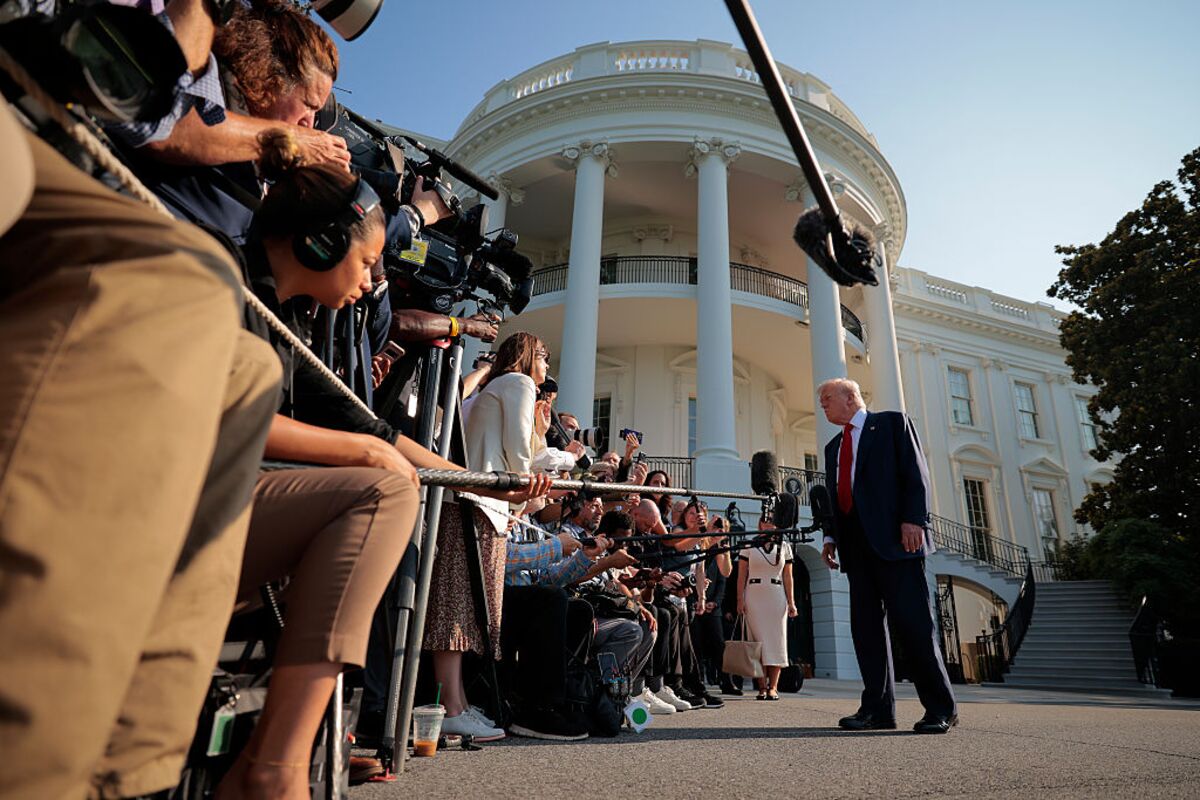
President Donald Trump assessed the likelihood of a trade deal with the European Union to reduce import tariffs at 50-50, or potentially less, despite recent optimism from EU diplomats regarding an imminent agreement. This statement introduces significant uncertainty regarding transatlantic trade relations and the future tariff environment, which could impact sectors sensitive to cross-border trade.
President Trump has injected significant uncertainty into US-EU trade negotiations by stating the odds of reaching a deal to reduce import tariffs are just 50-50, or potentially lower. This assessment directly counters the recent optimism from European Union diplomats who had signaled an agreement might be near. The divergence creates an unpredictable environment for transatlantic trade policy, underscored by the neutral sentiment and uncertain tone identified in the data signals. While no specific companies are named, the situation presents a material risk for sectors with high exposure to cross-border trade, such as automotive and industrial goods, which are sensitive to the tariff and supply chain disruptions highlighted by the thematic analysis. The moderate market impact score of 0.4 suggests this development warrants close monitoring as a key variable in the global macroeconomic outlook.
AI-powered research, real-time alerts, and portfolio analytics for institutional investors.
Request DemoOverall Sentiment
neutral
Sentiment Score
0.00
