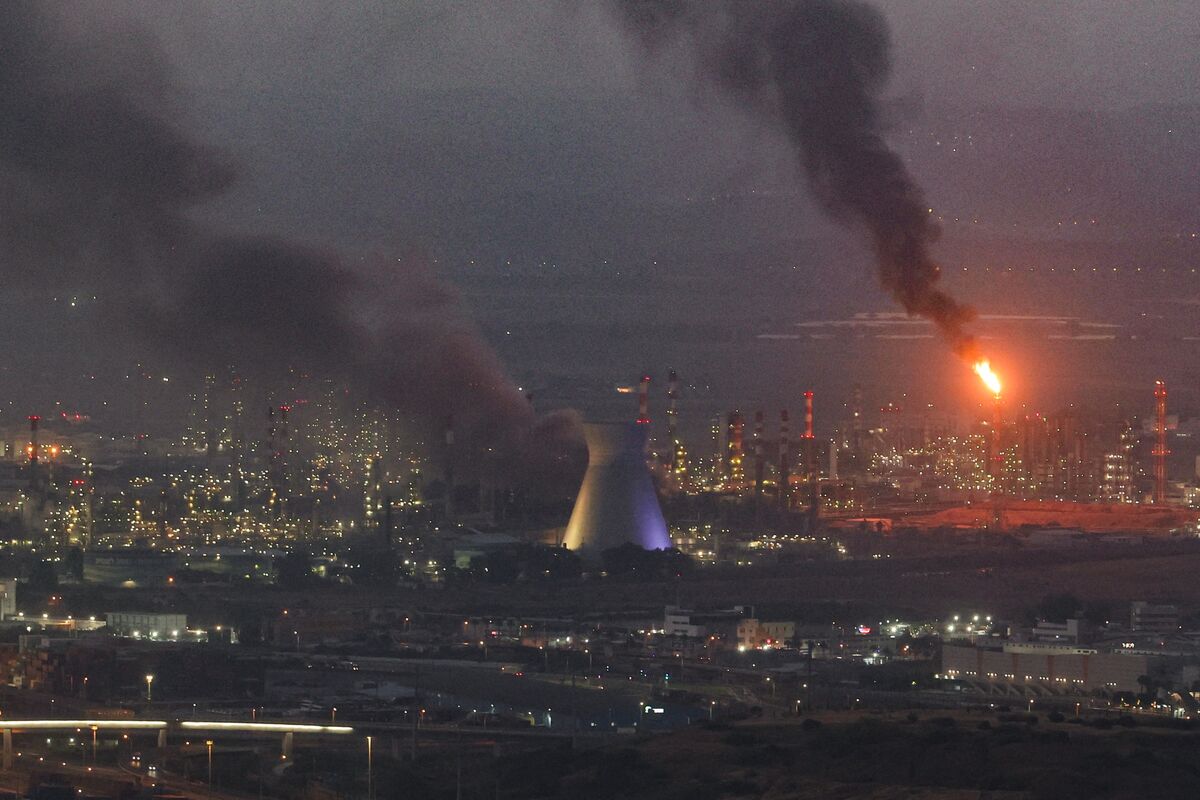
Emerging-market stocks and currencies have shown resilience despite the escalating conflict in the Middle East, with the MSCI Emerging Markets Index declining just 0.7% since the October 7th Hamas attack on Israel, a smaller drop compared to previous instances of geopolitical turmoil; this muted reaction is attributed to factors including increased diversification within emerging markets, reduced reliance on oil for some economies, and a perception that the conflict's impact will be regionally contained.
Emerging market assets, encompassing both stocks and currencies, have demonstrated notable resilience in the face of escalating geopolitical tensions in the Middle East. Since the Hamas attack on Israel on October 7th, the MSCI Emerging Markets Index has experienced a modest decline of only 0.7%, a significantly more contained reaction compared to historical precedents during similar geopolitical crises. This relative stability, reflected in a moderately positive sentiment and stable market tone, is attributed to several underlying factors: enhanced diversification across emerging market economies, a diminished dependence on oil for certain nations within this group, and a prevailing market perception that the current conflict's direct economic repercussions will likely be confined to the immediate region. The market impact score of 0.6 suggests that while the conflict is a recognized factor, its effect on broader emerging markets has been moderate thus far.
AI-powered research, real-time alerts, and portfolio analytics for institutional investors.
Request DemoOverall Sentiment
moderately positive
Sentiment Score
0.50
