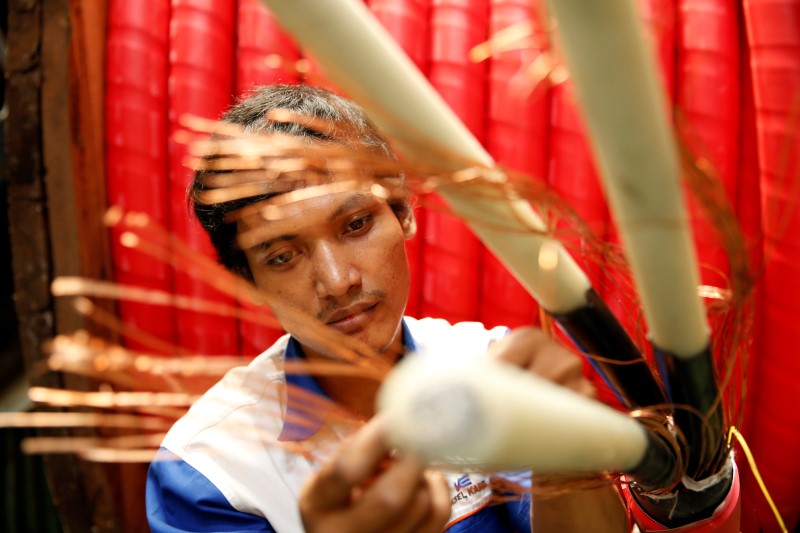
Chile, the world's largest copper supplier, is actively engaging with major U.S. copper importers to understand the full implications of proposed U.S. import tariffs on the metal. Foreign Minister Alberto van Klaveren indicated Chile is prepared to seek alternative markets, pending a U.S. executive order to clarify the exact scope of the potential tax, underscoring the significant trade uncertainty for a critical global commodity.
Proposed U.S. tariffs on copper imports are introducing significant uncertainty into the global copper market, directly impacting Chile, the world's largest supplier. The Chilean government is currently in a reactive posture, engaging with major U.S. importers to assess the potential fallout while awaiting a U.S. executive order to define the tariff's specific scope. Foreign Minister Alberto van Klaveren's statement that "Chilean copper will keep finding new markets" signals a readiness to pivot trade flows away from the U.S., highlighting a tangible risk of supply chain disruption for a critical industrial commodity. This development injects a new layer of geopolitical risk into copper pricing and supply dynamics, a sentiment reflected by the cautious tone and mildly negative signal, as the market digests the potential for altered trade relationships and regional cost pressures.
AI-powered research, real-time alerts, and portfolio analytics for institutional investors.
Request DemoOverall Sentiment
mildly negative
Sentiment Score
-0.15
