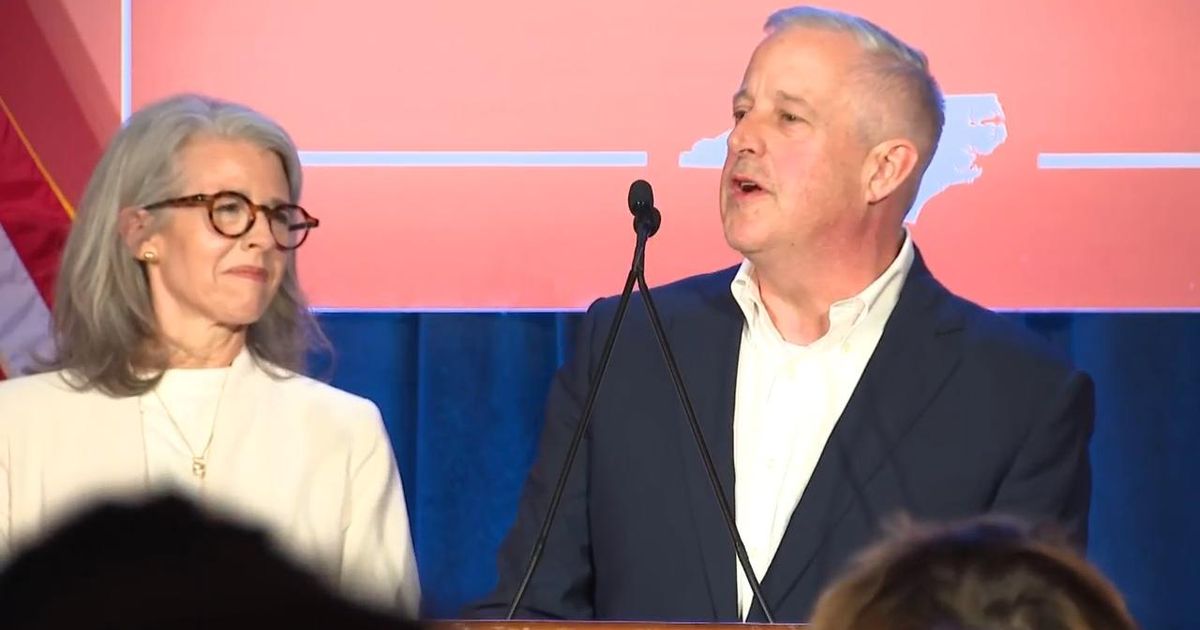
The Senate Leadership Fund pledged at least $71 million to support GOP candidate Michael Whatley in North Carolina (part of a $342M national program, with $79M planned for Ohio), with ad buys expected to start in the summer. A Catawba College poll shows Democrat Roy Cooper leading by 14 points (48% to 34% among likely voters), signaling a high-spend, high-visibility contest that could factor into Senate control dynamics and related policy/regulatory risk for markets.
A large, front‑loaded outside spending program in a single high‑stakes Senate contest will create acute, short‑window scarcity in local broadcast inventory and state‑level digital segments. Broadcasters with heavy local news footprints tend to see CPMs spike 20–40% in those windows because inventory is inelastic; that math compounds into outsized quarterly revenue beats for companies with concentrated local ad exposure.
That same dynamic shifts the marginal dollar away from longer‑lead national brand campaigns and into tactical creative, production and rapid‑turnaround buy desks — a boon to ad holding companies and programmatic specialists that can scale targeted spots quickly. Conversely, firms whose earnings are tied to longer booking cycles or to national linear audiences will see more muted gains and higher volatility as money rotates into microtargeted buys and GOTV operations.
Tail risks are concentrated and near‑term: a dramatic tightening in polls, an unexpected legal/regulatory clampdown on ad buys, or a pivot to purely grassroots GOTV could evaporate media revenues within 30–90 days. Watch weekly ad‑buy disclosures, third‑party TV ad trackers and CPMs in the battleground markets as leading indicators; if those metrics roll over before the traditional summer ad ramp, the downstream plays will underperform quickly.
AI-powered research, real-time alerts, and portfolio analytics for institutional investors.
Request DemoOverall Sentiment
neutral
Sentiment Score
0.00
Ticker Sentiment
