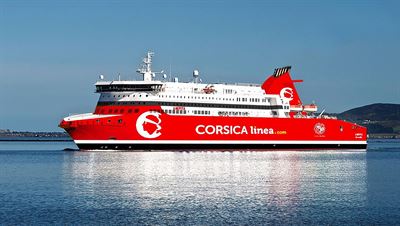
Stena RoRo has agreed a five-year charter of the RoPax ferry A Nepita (ex Superfast X) to Canadian Crown corporation Marine Atlantic, with the vessel entering service in fall 2026 following customization (including ship-to-shore ramp arrangements, livery changes and a five-year preventive maintenance program). The ice-class 1A ship—built in 2002, ~203.24 m long, ~25.7 m beam, ~1,200 passenger capacity, ~1,920 lane metres and ~22 kn speed—is currently with Corsica Linea; the deal secures medium-term utilization and revenue for Stena RoRo while providing Marine Atlantic an ice-capable asset for demanding Newfoundland–Nova Scotia ferry routes.
Market structure: This 5-year, government-backed charter tightens availability of ice-class RoPax tonnage through 2026–2031 and benefits specialist lessors, conversion yards and equipment suppliers (bow/stern thrusters, ice-strengthening). Expect modest pricing power for niche RoRo/RoPax owners for 12–36 months as large operators face longer lead times to replace capacity; incumbents with ice-capable units capture premium dayrates ~10–20% over standard ro-ro on winter routes.
Risk assessment: Tail risks include Canadian budget cuts or route rationalization (policy risk) and major refit cost overruns or Class/IMO emissions rules driving unplanned capex; probability low-to-moderate but impact high on charter economics. Near-term (0–6 months) risks center on refit execution; medium-term (6–24 months) fuel price volatility and emissions regulation materially affect operating margins.
Trade implications: Direct plays are aftermarket exposure to European shipyards and marine-equipment names ahead of refit work (12–18 month horizon), and select ferry operators that can re-deploy capacity. Use option structures to express view (12–24 month call spreads on yards); avoid long-duration pure cruise cyclicals—this is a niche reallocation, not a demand shock for the whole passenger shipping sector.
Contrarian angles: Consensus will underweight the pickup in charter-backed, non-cyclical cashflows for government routes; conversely market may overvalue shipyard winners if global steel/yard bottlenecks push refit timelines past 2026. Historical parallel: post-2008 specialized conversions drove 18–36 month supplier outperformance, but oversupply followed as yards expanded capacity — watch orderbook growth as the key reversal signal.
AI-powered research, real-time alerts, and portfolio analytics for institutional investors.
Request DemoOverall Sentiment
mildly positive
Sentiment Score
0.28
