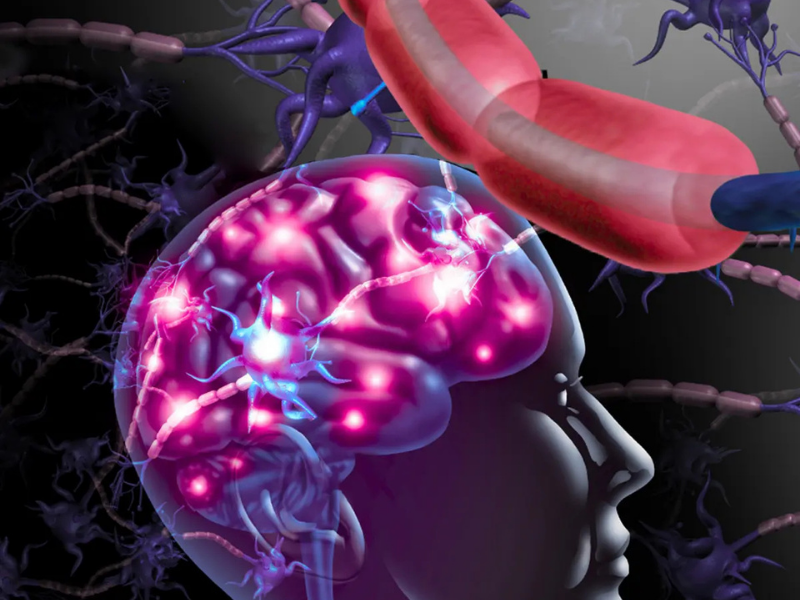
A six-week randomized, double-blind, placebo-controlled human trial found ButyraGen® delivered a 12.90% greater reduction in fearfulness and an 18.16% greater improvement in an at-ease state of mind within 2 weeks. Participants also reported a 17.15% increase in mental clarity and a 12.16% improvement in sociability, with no serious adverse events and tolerability comparable to placebo. The findings support gut-brain axis applications for direct butyrate generation and strengthen the product's scientific positioning in the mental well-being category.
This is less a single-product story than an early validation that the mental-wellness aisle is moving from vague “calm/relax” claims toward mechanism-backed, gut-centric positioning. The first-order beneficiary is the formulator/distributor that owns the intellectual property, but the second-order winner is the broader category: brands that can attach a credible biomarker/clinical narrative to stress, mood, and cognitive support should see better conversion and lower return rates than commodity botanicals. The market is likely underestimating how quickly this can travel from supplements into functional food, beverage, and pharmacy channel adjacencies where “digestive + mood” is a cleaner consumer proposition than standalone nootropic claims. The competitive threat is mostly to generic probiotics, magnesium, and ashwagandha-style products that compete on diffuse wellness outcomes without a differentiated mechanism. If this signal holds, retailers may rationalize shelf space toward ingredients with human data and away from “feel-good” blends that lack a fast onset story. That creates an asymmetric advantage for ingredient suppliers with patent protection and formulation expertise, while contract manufacturers and private-label brands without exclusive access get squeezed on gross margin and velocity. The main risk is that this is a niche responder effect masquerading as a category breakthrough. Benefits appearing within two weeks are commercially attractive, but also raise the probability of a placebo-sensitive endpoint and a modest replication rate once deployed in broader, less health-conscious populations. The key catalyst is not the published study itself; it is whether a second, larger trial shows consistency in under-40s and otherwise healthy consumers over 8–12 weeks. If replication is weak, the category could fade back into “interesting but unscaled” within 6–9 months.
AI-powered research, real-time alerts, and portfolio analytics for institutional investors.
Overall Sentiment
moderately positive
Sentiment Score
0.62
