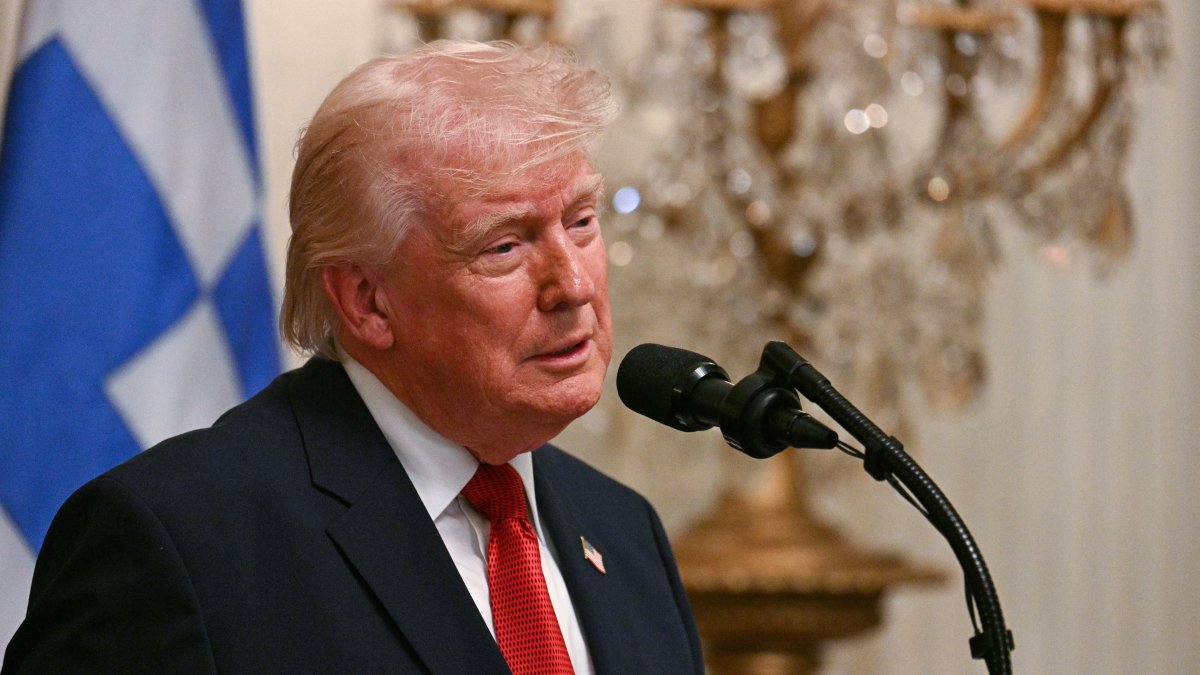
A 42-day DHS funding stalemate produced a Senate-unanimous stopgap to fund much of DHS (excluding ICE/CBP) and President Trump said he will sign an order to immediately pay TSA agents using funds from his 2025 tax bill; the package now goes to the House. Operational strain is significant: nationwide TSA callouts exceeded 11% (~3,120 missed shifts), some airports reported >40% callout rates, and nearly 500 of ~50,000 officers have quit, causing multi-hour delays and warnings of potential airport closures. Political risk persists as Democrats push for written immigration-enforcement guardrails and leaders discuss emergency measures, implying continued volatility for airlines, airports and travel operations.
The immediate fiscal workaround (administrative reallocation + executive order) removes the single-day liquidity shock for TSA payrolls but leaves the core political bargaining over immigration enforcement unresolved — that keeps operational volatility for airports elevated for weeks. Airports and network carriers with deep schedules will recapture lost demand quickest; each additional 1–2 percentage-point improvement in TSA attendance implies a high-single-digit boost to throughput on peak days because security is the gating constraint, not aircraft availability.
Defense/agency contractors with FEMA, Coast Guard and broader DHS footprints gain optionality: stopgap appropriations and emergency reprogramming typically flow to incumbent systems integrators and field-support vendors, compressing bid timelines and favoring firms with cleared labor and ready TLS/ops teams (think low-cost ramp-to-scale winners). Conversely, businesses tied specifically to immigration enforcement face binary funding risk — near-term cashflow stability masks a 3–6 month policy fight that will determine contract scope and renewal cadence.
Labor supply and morale dynamics are the biggest underpriced tail risk for the travel complex; persistent callouts force overtime, temp hires and schedule padding that inflate unit costs and erode margins (a 5–10% increase in security-related labour costs can translate to mid-single-digit EPS headwinds for carriers over a quarter). Key catalysts: House passage within 72 hours (de-risk), public union litigation/strikes (upside shock), or a presidential national-emergency declaration (policy and legal risk that could reintroduce volatility over months).
AI-powered research, real-time alerts, and portfolio analytics for institutional investors.
Request DemoOverall Sentiment
mildly negative
Sentiment Score
-0.25
