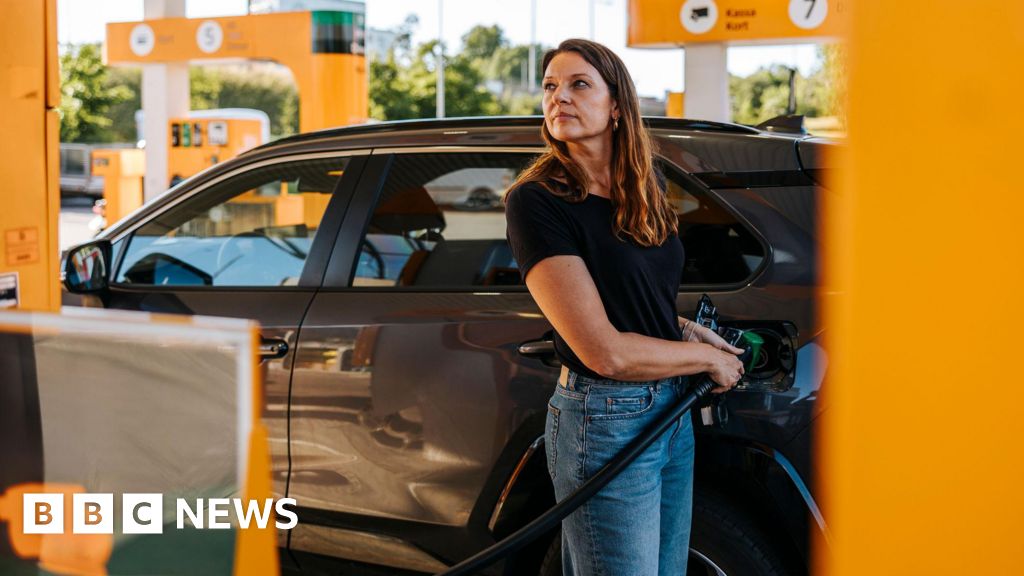
UK unleaded petrol rose to 158.52p per litre, its highest level since the Iran war began, while diesel climbed to 185.92p per litre. Brent crude is trading around $111 a barrel versus about $73 before the conflict, implying continued upside pressure on pump prices and broader inflation. The RAC warned petrol could exceed 160p unless oil prices fall sharply, while potential fuel duty changes could modestly cushion drivers.
This is less a pure oil trade than a margin transfer from consumers to upstream energy and refinery-linked equities. The bigger second-order effect is that high pump prices raise the political cost of maintaining loose fuel taxation, which effectively delays any fiscal relief that would otherwise cushion household spending; that keeps the demand hit concentrated in discretionary categories rather than being socialized through policy. The market is likely underestimating the lag between wholesale relief and retail pass-through, especially in diesel. If crude stabilizes, the fastest beneficiaries are not necessarily producers but downstream logistics-sensitive businesses that rely on diesel spreads normalizing; meanwhile, retailers with high footfall exposure face a slow bleed in basket sizes as commuting and delivery costs remain elevated for several weeks. In the near term, this is a classic inflation impulse with a consumer confidence channel, not just an energy beta story. The key reversal catalyst is not a broad de-escalation headline but evidence that shipping/production disruptions are no longer propagating into regional supply chains. If Brent loses momentum for 1-2 weeks, pump prices will still print high for a while, creating a window where inflation expectations remain sticky even as the commodity rolls over; that lag is where policy and market positioning can get complacent. The contrarian read is that the move may be overdone on the consumer side but still underdone in equities because energy cash flow sensitivity is immediate while retail margin compression tends to surface with a delay.
AI-powered research, real-time alerts, and portfolio analytics for institutional investors.
Request DemoOverall Sentiment
moderately negative
Sentiment Score
-0.45
