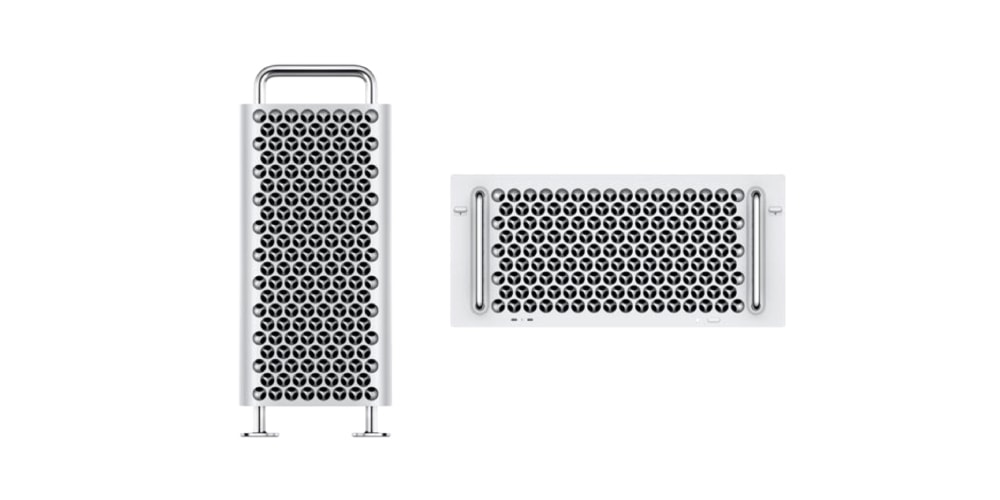
Apple has permanently discontinued the Mac Pro and removed it from its website; the workstation historically started at $6,999. Management confirmed there are no plans for future Mac Pro hardware (including a rumored M4 Ultra), as the lower‑cost Mac Studio (starting at $1,999) delivers comparable performance and has eroded demand. The move reflects reduced appeal of tower expansion (no external GPU support under Apple Silicon) and signals product line consolidation rather than a material revenue shift for the broader company.
Apple’s move away from a modular, PCIe-expandable pro tower has a predictable but underappreciated redistribution of spend across the workstation ecosystem: discrete GPU vendors and Windows workstation OEMs capture the marginal dollar that used to justify custom chassis and third‑party expansion. Expect an incremental demand shock to NVIDIA/AMD workstation GPUs over 6–18 months as high‑end content creators and VFX houses that require add‑ons and certifiable drivers migrate or refresh on non‑Apple platforms.
At the supplier level, concentration on integrated ARM SoCs increases wafer intensity per client but reduces component diversity; TSMC is the obvious beneficiary of higher ASP, denser node demand and longer life cycles for bespoke M-class silicon, while legacy PCIe component vendors and enclosure/accessory manufacturers face secular decline. Channel inventory dynamics will create a short, sharp window (quarters) where OEMs with flexible supply chains and discrete GPU relationships can intake diverted demand—watch HPQ and workstation-focused distribution partners for order flow acceleration.
Key downside reversals are binary and medium-term: Apple could reintroduce an expandable architecture or enable external accelerator support via a firmware/driver pivot, which would materially blunt migration to Windows; alternatively, a surprise performance step in next‑gen Apple silicon that closes discrete GPU advantages would rerate NVDA/AMD upside. Near-term catalysts to monitor are Apple’s hardware roadmap announcements (WWDC/Sept), quarterly Mac revenue mix shifts, and workstation OEM order guides over the next 2–4 quarters.
AI-powered research, real-time alerts, and portfolio analytics for institutional investors.
Overall Sentiment
neutral
Sentiment Score
0.00
Ticker Sentiment
